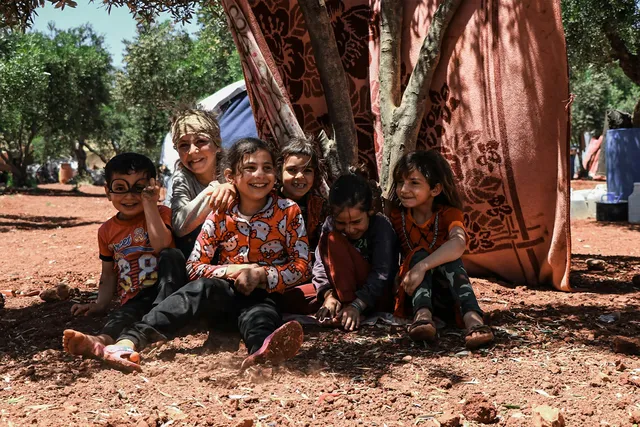
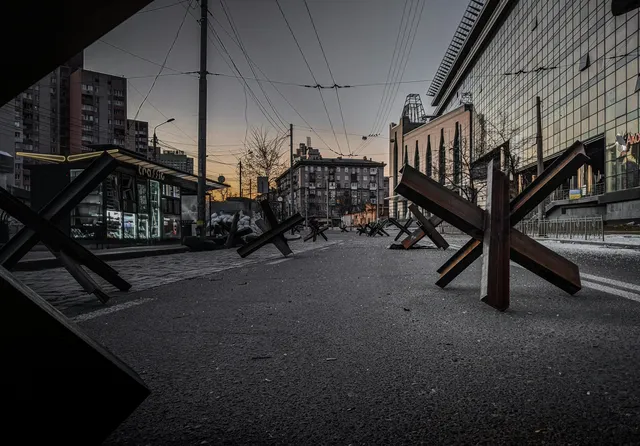
Across the globe, refugee camps swell with displaced families-women clutching children, men scanning the horizon for safety, elders remembering homes now lost to conflict or disaster. Behind the statistics are faces, stories, and the enduring question at the heart of Christian faith: how should followers of Christ respond when strangers seek refuge?
The biblical call to hospitality is not a polite social nicety or a weekend volunteer project; it is the radical, heart-reforming practice of welcoming others as Christ has welcomed us. And in a century marked by unprecedented human migration, this ancient call feels as urgent as ever.
The Heartbeat of Biblical Hospitality
Hospitality-philoxenia in Greek-literally means "love of the stranger." It's a word that pulses through Scripture with divine compassion. From Abraham offering bread and shelter to angelic visitors (Genesis 18), to the widow of Zarephath sharing her last meal with Elijah, the biblical narrative is woven through with acts of courageous welcome. Each instance is more than a gesture of kindness; it's a sacred encounter where the giver and receiver find God meeting them in their vulnerability.
Hospitality in the Bible is not mere courtesy; it is conversion of perspective. When the writer of Hebrews reminds, "Do not neglect to show hospitality to strangers, for by this some have entertained angels unawares" (Hebrews 13:2), it is both a warning and a promise. The divine often disguises itself as the displaced, the exiled, the unseen. To open one's door is to risk discovering God waiting on the threshold.
The Refugee Crisis: Headlines and Human Hearts
We live in what some call the "age of displacement." There are now over 100 million people forcibly displaced worldwide-more than at any time in recorded history. These numbers can numb us. But Scripture refuses to allow abstraction. Jesus' words in Matthew 25-"I was a stranger, and you invited me in"-pull the conversation from the geopolitical to the personal, from the statistics to the soul.
It is tempting to see the refugee issue as distant, belonging to international agencies and world governments. Yet the Gospel calls every believer to involvement that goes beyond awareness. Hospitality is not first about programs or policies; it is about posture-how we see the other, how we make room in our hearts before we make room in our homes.
Christ the Refugee
Before we ever imagine ourselves as hosts, Scripture reminds us of something both humbling and hopeful: Christ Himself was a refugee. The infant Jesus fled to Egypt in the arms of frightened parents, escaping the murderous rage of Herod. The Redeemer of the world began life as a displaced child, dependent on the kindness of strangers in a foreign land.
This truth ignites a spiritual recognition: the story of salvation is carried through Exodus, exile, and return. From Adam and Eve leaving Eden, to Israel wandering the desert, to the early church scattering under persecution, the people of God have always known what it means to be on the move-and to rely on God's surprising hospitality in unfamiliar places.
A God Who Dwells Among the Displaced
When we see asylum seekers crossing deserts or families boarding overcrowded boats, we do not merely observe the brokenness of the world-we see reflections of the incarnate Christ. God has chosen solidarity with the displaced.
To practice biblical hospitality toward refugees, then, is to meet Christ in His own journey. It is to stand in the space where mercy meets fear, where divine love breaks into the geography of human suffering.
Hospitality as a Spiritual Discipline
In a culture obsessed with privacy, safety, and control, hospitality can feel risky-even reckless. Yet Scripture insists that welcome is an act of worship. Like prayer or fasting, it is a discipline that reshapes us from within.
Opening our homes-or our hearts-often feels inconvenient. Refugees arrive with stories we don't fully understand, needs that stretch our comfort zones, and questions we can't easily answer. But this is precisely where transformation occurs. As Henri Nouwen wrote, "Hospitality is not to change people, but to offer them space where change can take place."
When we create space for refugees to rest, share a meal, or tell their story, we aren't simply doing social good-we are creating a sanctuary of grace. Hospitality is a way of saying, "You are seen. You are sacred. You are not forgotten."
Generosity That Costs Something
True biblical hospitality almost always costs something. Abraham killed the best calf; the widow of Zarephath risked her family's last meal; the innkeeper in Bethlehem, though unnamed, found a humble space for the Holy Family. For the modern believer, cost might come as time, emotional energy, or letting go of fear.
Counting the Cost, Finding the Blessing
Many churches around the world are rediscovering this holy expense. Local congregations partner with refugee agencies, sponsor families, teach language classes, and even share homes. The cost is real-but so is the joy. Stories abound of spiritual renewal when believers risk opening their lives. Hospitality, it turns out, is not a drain; it's a divine infusion of compassion.
Every act of hospitality multiplies God's grace. When the parable of the Good Samaritan unfolds, the hero's generosity interrupts his schedule, redirects his resources, and defies social conventions. Yet his compassion reflects God's heart: mercy that is costly, inconvenient, and transformative.
Seeing Through the Lens of Hope
It's easy to feel overwhelmed by the scale of global displacement. What difference can one family, one church, one meal make? But Scripture consistently reminds us that God's kingdom begins small-seed-sized, mustard-grain faith that moves mountains. The refugee crisis may seem impossibly large, but hospitality works one table at a time.
One congregation may start a tutoring program for refugee children. Another may train volunteers to help with job placement or cultural orientation. Others may commit to regular prayer for refugees in their region. Each act, when offered to God, becomes a sacrament of care-a visible sign of unseen grace.
The Challenge of Fear and the Courage of Love
Fear often stands at the door of hospitality. What if they hurt us? What if they take advantage of our generosity? What if we fail them? These questions echo the ancient voice of self-preservation. Yet love asks the better question: What if, by welcoming them, we meet Christ Himself?
Fear isolates, but love draws us outward. Hospitality doesn't ignore caution-it transcends it with trust. The early church knew this well. During plagues that ravaged the Roman Empire, Christians stayed behind to care for the sick and dying, many of them foreigners. Their courage transformed an empire's imagination about what faith looked like in action.
Today, when refugees knock on the world's door, the church has an opportunity to show that same courageous love. Not political love, not theoretical compassion-but love with sleeves rolled up, doors opened, and hearts ready to listen.
Table Fellowship in a Fractured World
Perhaps hospitality begins not with grand programs, but with small invitations-setting an extra place at the table, learning to pronounce someone's name correctly, sharing stories over coffee. In the kingdom of God, these gestures are never small. Jesus' ministry was filled with meals that redefined belonging. Over tables, He reconciled sinners, healed divisions, and announced the nearness of God's mercy.
To practice hospitality toward refugees is, in essence, to extend the table of Christ's fellowship beyond the walls of the sanctuary. The bread we break on Sunday becomes the bread we share on Monday.
When Welcome Becomes Witness
Every act of hospitality declares the Gospel without words. When refugees find safety in a Christian community, they encounter not just material help but the living presence of Jesus. In that encounter, walls crumble and hope rekindles. Theology becomes touchable.
We live in a world desperate for such visible hope. Our news feeds are heavy with images of division, war, and displacement, yet every shared meal, every open door whispers another story: the Kingdom is coming, and love is stronger than fear.
Carrying the Cross of Welcome
Hospitality, in its truest form, is cruciform-it bears the shape of the cross. It asks us to give of ourselves, to lay down privilege, to risk misunderstanding. But it also promises resurrection life. As we welcome the stranger, our own hearts are resurrected from indifference into compassion.
When Jesus tells His followers to take up their cross daily, it is an invitation not just to suffer with Him, but to love with Him. And love always includes welcome. The Cross itself is the world's great hospitality-a door flung open wide, a place prepared for all who would come.
Living the Welcome of God
In every age, the people of God are called to embody divine hospitality-to make visible the welcome of Heaven in the midst of earthly displacement. Whether we live in a bustling city, a quiet suburb, or a rural town, refugees and strangers dwell near us, yearning not only for safety but for belonging.
Hospitality begins when we understand that we ourselves are guests of grace. Every breath we draw is borrowed, every gift unearned. When we live from that awareness, our homes and hearts naturally open wider. We are no longer hosts protecting our own space-we are grateful guests inviting others into God's abundance.
The refugee crisis is vast, but our God is greater still. The Church's mission remains as radiant and relevant as ever: to welcome the stranger, bind up the brokenhearted, and point every weary traveler toward the ultimate home prepared in Christ. May our lives, our tables, and our churches echo that eternal invitation: Come in; there is room for you here.