Every election season seems to arrive with a mixture of hope, confusion, and weariness. Campaigns overflow with promises and sharp words, social media swells with arguments, and even Christian communities find themselves uncertain about how faith should shape the choices they make at the ballot box. The question isn't just who to vote for-but how should Christians vote? What spirit, what priorities, and what posture of heart should guide us as followers of Jesus when we step into that small booth and quietly mark our choice?
Citizens of Two Kingdoms
Christians live in a dual reality. We are both citizens of earthly nations and members of the kingdom of God. Jesus said, "My kingdom is not of this world" (John 18:36), yet He also told us to give to Caesar what is Caesar's (Matthew 22:21). It's not an easy balance to hold. We belong, fundamentally, to a different realm-but we are called to act faithfully within this one.
The Apostle Paul demonstrated that tension. As a Roman citizen, he appealed to his legal rights; as a follower of Christ, he surrendered his comfort, freedom, and even his life for the gospel. Our vote, then, is not ultimate-but it is an opportunity to love our neighbors, to seek justice, and to reflect God's heart in public life.
Voting as an Act of Stewardship
God entrusts each of us with influence in different forms. Some steward families, businesses, or ministries. In a democracy, one of our forms of stewardship is the vote itself. It is a small but sacred measure of responsibility. When we vote, we are saying: "I will use this moment, this privilege, for the good of others, not just my own comfort."
Stewardship involves prayer, humility, and discernment. Prayer, because we need wisdom beyond ourselves. Humility, because no system or candidate perfectly captures the kingdom of God. Discernment, because easy answers and slogans seldom reflect eternal truth. The Christian voter must approach the process not with arrogance or fear, but with a posture of service-asking, "Lord, how can I love my neighbor well through this decision?"
Beyond Self-Interest
Much of political rhetoric appeals to self-interest: our taxes, our comfort, our freedoms. But Jesus calls His followers to a different calculus. Philippians 2:4 reminds us, "Let each of you look not only to his own interests, but also to the interests of others." What if our vote was guided less by personal gain and more by compassion for the vulnerable, the voiceless, the unborn, the imprisoned, and the oppressed?
That doesn't mean there's only one "Christian" way to vote on any issue. Believers may reach different conclusions from the same convictions. But the posture must be consistent: self-giving love over self-protection, faith over fear, service over cynicism.
The Problem of Idolatry in Politics
Political idolatry is one of the quietest temptations of modern life. We begin to anchor our hope not in Christ's return, but in a political figure or party's victory. We start to speak of electoral outcomes as though they will save or doom the church. But Scripture is clear: "Some trust in chariots, and some in horses, but we trust in the name of the Lord our God" (Psalms 20:7).
When politics becomes ultimate, faith becomes distorted. Our tone grows harsh. Our peace fades. Our witness weakens. The church loses its prophetic voice when it becomes the cheering section for one earthly power. The call of Christ is not to withdraw from the world, but neither is it to be owned by it. Jesus did not run for office; He knelt to wash feet. That contrast should shape how His followers engage the public square.
Guarding Our Hearts and Our Attitudes
One of the most spiritual things a Christian can do in a heated election is to refuse contempt. In an age of outrage, gentleness is revolutionary. Before you post, forward, or argue, pause and ask: "Does this reflect Christ's spirit?" James warns, "human anger does not produce the righteousness that God desires" (James 1:20). Our tone can either build bridges or burn them.
When Christians speak with humility, we remind the world that Jesus, not ideology, defines our loyalty. Political convictions matter-but they should flow from transformed hearts, not tribal instincts.
Scripture and Conscience
The Bible does not list modern parties or platforms. It does something deeper: it forms the conscience. It shapes how we see power, justice, and human dignity. Every believer should wrestle with Scripture before casting a vote. Passages like Micah 6:8 ("to act justly and to love mercy and to walk humbly with your God") help steady us amid the noise.
The Spirit leads through a well-informed conscience. That conscience must be soaked in Scripture and kept tender to the whispers of God. Some will feel a deep conviction to focus on protecting life in the womb. Others will sense a call toward defending the poor, the immigrant, or the environment. The body of Christ contains these diverse burdens because God sees the whole picture. Our role is not to despise one another's callings, but to listen and learn from each other as we pursue truth together.
When Choices Are Imperfect
Every election forces compromise. No candidate aligns perfectly with the gospel. The question then becomes not, "Who is flawless?" but "Who will allow us to do the most good and restrain the most harm?" Sometimes Christians differ sharply on how to answer that question. That tension need not divide us if humility rules our hearts.
Voting should never replace prayer, and political outcomes should never replace discipleship. Whoever sits in the halls of power, Christ remains King. Holding that truth lightly but firmly keeps our hearts from despair and pride alike.
Engaging with Hope Instead of Fear
Fear drives much of modern politics: fear of loss, fear of change, fear of "the other." Yet 2 Timothy 1:7 proclaims that "God gave us a spirit not of fear but of power and love and self-control." When believers act from fear, we mirror the anxiety of the world. But when we vote, speak, and engage from hope, we embody the gospel's countercultural calm.
To vote with hope means remembering that God is sovereign over history. The same God who moved through Pharaoh, Cyrus, and Caesar is not hindered by any human outcome. We may lament certain results; we may also rejoice. But our ultimate security lies in the unshakable reign of Christ. That steady confidence allows us to stay gracious and generous even when the cultural tide flows against us.
Seeking Unity in a Divided Age
Perhaps one of the greatest witnesses Christians can offer is unity amid disagreement. Jesus prayed that His followers "may be one" (John 17:21), not because they would all vote the same way, but because their love would reveal God's presence to the world. Imagine the witness of believers-black, white, rich, poor, conservative, progressive-who refuse to let political differences destroy their fellowship in Christ.
Unity does not erase conviction, but it demands charity. When we sit together at the Lord's Table, we remember that the blood of Jesus binds us more deeply than any platform or policy ever could. The enemy delights when politics divides the saints. The Spirit rejoices when grace triumphs over bitterness.
Listening Before Speaking
One practice that protects unity is patient listening. Listen to another believer's reasoning before judging it. Ask how their experiences shape their perspective. You may not agree, but you will honor their dignity-and that is a mark of the kingdom. Proverbs 18:13 gently rebukes haste: "To answer before listening-that is folly and shame." Slow, compassionate conversation can turn suspicion into mutual respect.
Putting Faith into Action Beyond Election Day
God's mission for His people doesn't end when the votes are counted. Too often we act as if election results can substitute for everyday obedience. But what if, after voting, we put the same energy into feeding the hungry, mentoring youth, visiting the lonely, or reforming our communities?
Faithful citizenship is not seasonal. It is lived out daily-in how we treat coworkers, how we speak of opponents, how we pray for leaders (1 Timothy 2:1-2). When Christians engage continually in works of mercy and justice, our political impact deepens beyond any ballot box. The world takes notice of love that endures long after campaign signs have faded.
The Cross Above the Flag
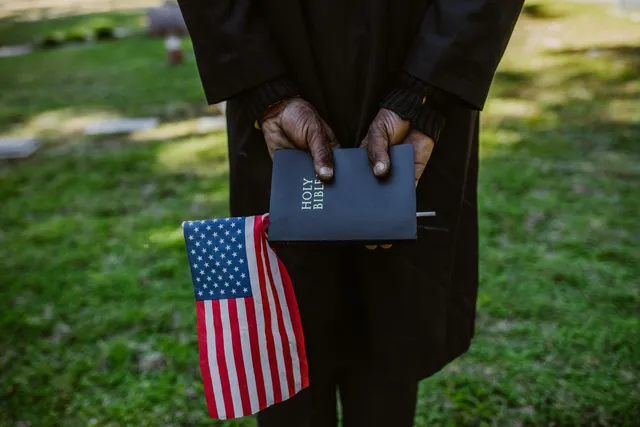
Ultimately, how should Christians vote? With a heart fully surrendered to Christ. With eyes open to both beauty and brokenness around us. With hands ready to serve, regardless of outcomes. The cross must always tower above the flag-not to diminish love of country, but to remind us that our highest allegiance is to the Lamb who was slain.
As you approach the next election, take time to pray before you post, listen before you speak, and discern before you decide. Remember that every mark on a ballot is small compared to the mark of Christ upon your soul. Let your faith guide not just your vote, but your entire posture toward the world. And may each Christian voter step forward not in fear or fury, but in quiet faith that God still reigns, God still works, and God still calls His people to do justice, love mercy, and walk humbly with Him.