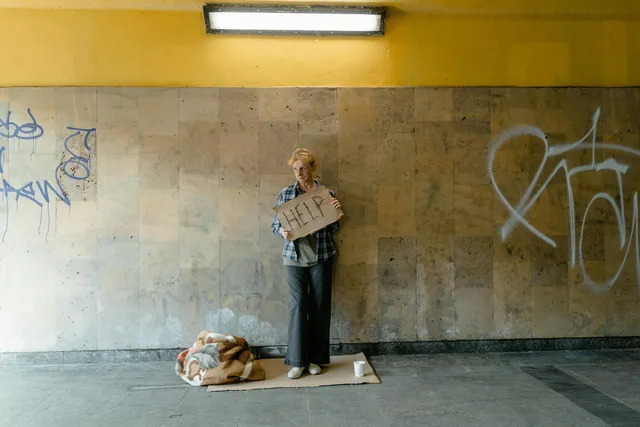
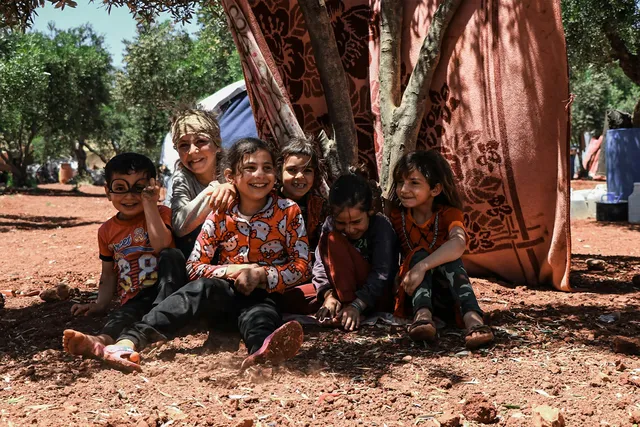
In a world of growing inequality, where headlines often remind us of the gap between wealth and poverty, Christians are continually called back to a timeless and sacred responsibility: God's heart for the poor. From the earliest pages of Scripture to the teachings of Jesus and the letters of the apostles, the Bible paints an unbroken picture of compassion, generosity, and justice. Yet the question remains striking and relevant today-what does caring for the poor really mean in our modern world? And how can Christians live out this biblical call amid the complexities of contemporary life?
The Heart of God Revealed in Compassion
Long before Jesus walked among the poor and brokenhearted, the Old Testament established a divine foundation for compassion. God's concern for those in need was not an afterthought-it was written into the very identity of His people. In the Law, the Israelites were reminded again and again that their own story of deliverance from slavery demanded a response of mercy. "Remember that you were slaves in Egypt," the Lord instructed, "and the Lord your God redeemed you." This remembrance was meant to shape a culture of generosity and empathy. Fields were not to be harvested to the edges; gleanings were to be left for the hungry and the stranger. The rhythm of Israel's life included a built-in practice of kindness toward the marginalized.
These early commands reveal something profound: caring for the poor isn't optional-it reflects the nature of God Himself. The Psalms celebrate Him as "a defender of the fatherless and widow" and "a refuge for the oppressed." The prophets cry out that neglecting justice for the poor is not merely a social failure but a spiritual one. To ignore the needy is, in essence, to misrepresent God's own heart.
Jesus and the Upside-Down Kingdom
When Jesus arrived on the scene, He made the poor central to His mission, fulfilling every ancient promise about God's compassion. His first public message announced, "Good news to the poor." And He didn't speak these words as a slogan for social reform-He embodied them. He touched lepers, dined with outcasts, healed beggars, honored widows, and praised generosity that came not from abundance, but from trust.
Jesus didn't merely help the poor; He identified with them. "Whatever you have done for the least of these," He said, "you have done for Me." In that simple yet shattering statement, He anchored our treatment of the vulnerable to our relationship with Him. There is no separating our love for Christ from our love for those in need.
A Gospel That Redefines Wealth
The teachings of Jesus consistently turn our assumptions upside down. He speaks of treasures in heaven rather than earthly wealth; He warns that riches can harden the heart. The rich young ruler walked away sorrowful-not because money itself was evil, but because his heart was enslaved to it. By contrast, Zacchaeus, upon encountering grace, responded with an irresistible impulse toward generosity. The transformation of a soul shows itself in how one treats the poor, the powerless, and the forgotten.
In the kingdom of God, giving is not charity; it is worship. It is the overflow of gratitude, the evidence of a heart set free.
The Church as God's Instrument of Mercy
The early church carried forward this divine mission with remarkable authenticity. In Acts, believers are described as selling their possessions to meet one another's needs. Widows were cared for, resources were shared, and unity was formed around mutual sacrifice. It wasn't about forced equality-it was about Holy Spirit-inspired generosity. Their love for Christ naturally became tangible love for one another.
Later, in the letters of the New Testament, we see this same heartbeat repeated. The apostle Paul collected offerings for suffering believers in other regions, modeling what it looks like for faith communities to care across boundaries. James, the brother of Jesus, put it bluntly: "If a brother or sister is poorly clothed and lacking in daily food, and one of you says to them, 'Go in peace, be warmed and filled,' without giving them the things needed for the body, what good is that?" True faith, he insists, does something tangible. Compassion without action is counterfeit.
Bearing the Image of Christ Today
The Church doesn't simply run outreach programs; it lives out the presence of Christ in a hurting world. When we feed the hungry, visit the sick, or welcome a refugee, we reveal something of God's character. These acts of mercy are not detached moral duties-they are participation in God's ongoing story of redemption.
Caring for the Poor in a Modern World
The biblical call to care for the poor resists confinement to an ancient cultural setting. Its wisdom and truth are not trapped in history; they breathe through every generation. Yet living out that call today requires discernment. The world's systems of wealth, inequality, and aid have grown complex. Government programs and nonprofit organizations play larger roles. Still, the personal, spiritual responsibility of each believer remains unchanged. The call is not reduced by modern institutions-it is multiplied by them.
In a society where consumerism often defines worth, Christians are invited to live differently. Caring for the poor means more than financial giving (though that remains crucial). It includes presence, respect, advocacy, and invitation into community. Poverty is not only about material lack-it is also about isolation, despair, and invisibility. Caring for the poor today means restoring dignity where the world has stripped it away.
More Than Giving: Cultivating a Lifestyle of Compassion
Many Christians struggle between compassion and caution-wanting to help, yet unsure what constitutes true, sustainable love. The Bible pushes us toward relational generosity. Jesus didn't simply hand out resources; He looked into faces and called people by name. Following His example invites us to step beyond mere charity toward genuine relationship. That might mean mentoring a youth from a struggling community, befriending a neighbor experiencing homelessness, or simply choosing to see people as God does.
Material giving remains powerful when guided by wisdom and humility. Supporting missions, aid organizations, or churches that serve the poor continues the early church's legacy. But Scripture reminds us that giving without love profits nothing. It must come from a heart touched by grace.
The Spiritual Dimension of Giving
Caring for the poor isn't just an ethical act-it's a spiritual discipline that reshapes the soul. Generosity loosens the grip of greed and self-centeredness. When we release what we own, we are reminded that we are only stewards, not masters, of what God has entrusted to us. And in the mystery of grace, our giving multiplies joy both in others and within ourselves.
Jesus taught that when we give in secret, our Father sees. That means the motive matters more than the applause. In a culture that often publicizes philanthropy, the believer is invited to give quietly, as an act of worship-without expecting recognition. The unseen generosity of the saints is one of the Church's most powerful testimonies in a noisy world.
Justice, Mercy, and the Prophetic Call
Scripture holds generosity and justice together in one breath. It is not enough to relieve suffering while ignoring the systems that cause it. The prophets dreamed of a world where every person could live in peace under their own vine and fig tree-a vision of security, dignity, and flourishing. In our own time, that vision may look like advocating for fair wages, ethical business practices, or equal access to education. Mercy addresses the symptoms; justice goes after the cause. Both are expressions of God's kingdom advancing on earth.
Yet this prophetic work must remain rooted in humility. Christians engage social issues not from self-righteous anger, but from compassion and hope. Our goal is never to win a cultural argument but to bear witness to the love and righteousness of Christ.
The Poor Among Us
Jesus said, "You will always have the poor among you." That statement isn't resignation-it's invitation. As long as there is poverty, there will also be opportunity for grace, generosity, and transformation. Every encounter with a person in need becomes a sacred meeting place where heaven brushes against earth. These are not interruptions to ministry; they are the ministry.
Bringing It Home: Living the Call Daily
Caring for the poor begins not with grand gestures but with small, faithful decisions. It's choosing simplicity in a culture of excess. It's giving without calculating what we might receive in return. It's noticing the loneliness of a co-worker, the struggle of a single parent, the quiet despair of someone who feels unseen. When the love of Christ governs our lives, compassion becomes instinctive rather than optional.
We can start by praying differently-asking God to open our eyes to the need around us. We can listen to stories, volunteer in our communities, support ministries that reflect integrity and transparency. Each of these acts, however small, becomes part of a mosaic of divine mercy in action.
A Vision of Hope
Ultimately, the call to care for the poor is not burdensome-it's liberating. It draws us out of ourselves and into the generous life of God. It reminds us that love is stronger than scarcity, that compassion still changes lives, that the gospel is good news for the whole world. When every believer takes this call personally, the Church becomes what it was always meant to be-a living picture of God's kingdom on earth.
The Scriptures end with a vision of a renewed creation where tears are wiped away and all have enough. Each act of generosity today points toward that future reality. We give not out of guilt, but out of hope-because we believe in a God who is making all things new. And until that day, we keep serving, keep sharing, keep caring for the poor-knowing that in doing so, we walk in the very footsteps of Christ.
May our faith always be generous, our love always active, and our hearts always open to those God loves most deeply.