Hebrews, the fifty-eighth book of the Bible, presents Jesus as the supreme revelation of God and the great high priest who offers a once-for-all sacrifice and mediates the new covenant. Written to weary believers tempted to drift, it combines rich theology with urgent exhortation: hold fast to your confession and draw near to God with confidence.
The author weaves Scripture, temple imagery, and wilderness motifs to show that Christ fulfills and surpasses the old order—angels, Moses, Aaronic priesthood, sacrifices, and sanctuary—opening the way into God's presence.
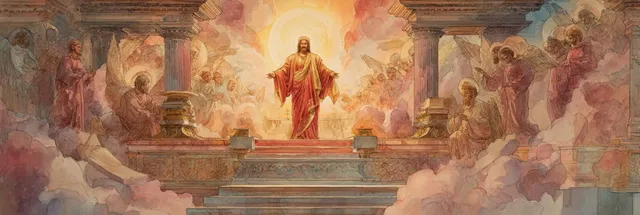
Chapters of Hebrews
What is Hebrews about?
Hebrews opens with a majestic prologue: God has spoken definitively in His Son, the radiance of His glory. The Son is superior to angels; therefore believers must not drift. Christ is greater than Moses and leads His people to the promised rest; harden not your hearts in unbelief.
At the center stands Christ's priesthood after the order of Melchizedek. Unlike the mortal, repeatedly-offering priests, Jesus, holy and indestructible, entered the heavenly sanctuary by His own blood, securing eternal redemption. Thus the new covenant brings forgiveness written on hearts, rendering the old shadows obsolete.
The letter blends warning and comfort: severe cautions against apostasy, and strong consolation anchored in God's oath. Chapter 11 surveys the witnesses of faith, culminating in Jesus—the author and perfecter—for whose joy the church runs with endurance, endures discipline, and receives an unshakable kingdom. Concluding exhortations commend love, hospitality, sexual holiness, contentment, honorable leaders, and the benediction of the great Shepherd of the sheep.
Who wrote Hebrews?
Authorship is anonymous (ancient proposals include Paul, Barnabas, Apollos). The church has received the book as inspired Scripture regardless of the human author.
What's Hebrews's meaning and significance?
Hebrews teaches that Jesus is the final priest and perfect sacrifice, granting confident access to God. The new covenant outshines the old, so believers must persevere in faith, pursue holiness, and assemble to encourage one another until the consummation.
Is Hebrews an important book?
Hebrews is crucial for the theology of christ's supremacy, high priesthood, covenant, atonement, perseverance, worship, and hope. It interprets the Old Testament through Christ and grounds Christian endurance in His finished work and ongoing intercession.
When was Hebrews written?
Commonly dated AD 60–70 (some slightly earlier/later), given temple imagery and first-century concerns.
What are the main sections of Hebrews?
Hebrews moves from the Son's superiority (angels, Moses) to His high priesthood and better covenant, then to exhortations for endurance, concluding with pastoral counsel and benediction.
The main sections of Hebrews are:
-
Prologue and the Son's supremacy Hebrews 1:1–4God speaks in the Son, radiance of glory, exact imprint; He makes purification and sits at God's right hand.
-
Greater than angels; warning against drifting Hebrews 1:5–2:18Son superior to angels; do not neglect salvation; Jesus shares our flesh to help the tempted.
-
Greater than Moses; promise of rest Hebrews 3–4Christ over God's house; heed the wilderness warning; strive to enter God's rest.
-
High priest like Melchizedek Hebrews 5–7Jesus called high priest; warning about dullness; priesthood of Melchizedek surpasses Levi.
-
New covenant and heavenly sanctuary Hebrews 8–10:18Covenant written on hearts; once-for-all sacrifice; conscience cleansed.
-
Exhortations to endurance in faith Hebrews 10:19–12:29Draw near, hold fast, stir up one another; hall of faith; run with endurance; receive an unshakable kingdom.
-
Concluding ethics and benediction Hebrews 13Love, hospitality, purity, contentment; honor leaders; blessing from the God of peace.
Key Elements of Hebrews
Understanding the main themes, important people, significant places, and key concepts in Hebrews helps us grasp its message and apply it to our lives today.
Key Themes
Key Concepts
Key People
Key Places
Chapters of Hebrews
Select a chapter to read and study: