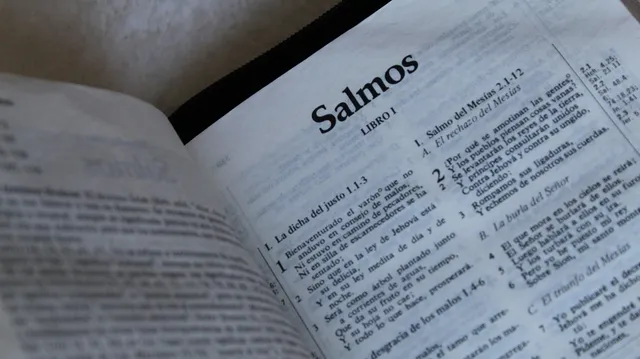
Life rarely unfolds as we imagined. The winds of uncertainty, the crashes of disappointment, and the thunder of crisis can make even the strongest heart tremble. Yet tucked into Scripture, right in the middle of our Bibles, sits a Psalms that feels like an anchor cast into stormy seas: Psalms 46. This is not a quiet whisper of comfort-it's a bold declaration of confidence. It begins, "God is our refuge and strength, an ever-present help in trouble." In a single line, the Psalms invites us to find peace not because the storms stop, but because God stands unshaken within them.
The Refuge We Often Forget
Our natural response to chaos is control. We plan harder, work longer, and strive to manage everything falling apart. But Psalms 46 opens with a truth that disarms every frantic instinct: we already have a refuge. The Hebrew word for "refuge" here can also mean "shelter" or "place of trust." It's not a flimsy tent pitched hastily in the rain-it's a fortress, secure and ancient, built to endure the clash of armies and the rage of mountains. To run to God as refuge is not weakness. It is faith in its purest form: the decision to stop fighting the storm alone.
In those moments when life feels like it's collapsing-illness strikes, relationships fracture, bills pile up-the psalmist reminds us that our stability comes from something outside the circumstances. "Therefore we will not fear," he writes, "though the earth give way and the mountains fall into the heart of the sea." Mountains are the picture of what should never move. Yet even if they crumble, God remains.
When God Becomes Our Hiding Place
The imagery of refuge shows up throughout the Old Testament. David frequently called God his "rock" and "fortress." But in Psalms 46, the concept expands-it's not just personal safety, but also communal confidence. "The Lord of hosts is with us; the God of Jacob is our fortress." He's not distant or theoretical; He is "with us." He has tied His presence to our lives with unbreakable covenant love.
Sometimes peace begins not when God removes the danger, but when we realize He's still sitting beside us in it. The hiding place isn't isolation; it's intimacy. It's hearing a quiet assurance: "I am here. I have not changed."
When the Waters Roar
The Psalms's second stanza erupts with motion-roaring waters and trembling kingdoms. The world of Psalms 46 isn't tranquil; it's shaking. Yet in the middle of that chaos, we read of another kind of water: "There is a river whose streams make glad the city of God." The contrast is stark. One set of waters threatens destruction; another brings joy and life.
This river echoes the Garden of Eden, where streams flowed out to nourish creation. It foreshadows the river of life in Revelation, flowing from the throne of God. In other words, while the world's waters rage, God's waters renew. When everything external feels unstable, His Spirit within us becomes the quiet current that sustains peace.
The River Within
Jesus alluded to this image when He said, "Whoever believes in Me, as Scripture has said, rivers of living water will flow from within them" (John 7:38). This isn't poetic fluff-it's a promise. When the storms rage outside, God establishes a current of grace within His people. The psalmist's city of God becomes the believer's heart, indwelt by the Spirit's steady flow. Peace isn't an external outcome; it's an internal miracle.
"Be Still," and What It Really Means
Psalms 46 culminates in one of the most quoted-and often misunderstood-verses in Scripture: "Be still, and know that I am God." Many of us picture this as an invitation to quiet, reflective calm-and it surely includes that. But in context, it's also a divine command spoken over the roaring nations. It's as if God addresses the storm itself, saying, "Enough. Cease. Stop striving."
For us, to "be still" is both surrender and assurance. It means releasing the illusion that we sustain our world. It means acknowledging that only God can speak stability into chaos. Stillness is not passive-it's the active choice to trust. It's what Jesus did when He slept in the boat as the storm raged. The disciples panicked, shaken by waves; Jesus rested, anchored in His Father.
Perhaps the invitation of Psalms 46 is to return to that same posture: not numb detachment, but holy calm. The kind of peace that allows you to breathe again-not because you've tamed the storm, but because you've remembered who commands it.
Faith That Hears the Silence After the Storm
If Psalms 46 were a Song of Songs, it would swell with noise and tension until this moment-then suddenly quiet into reverent awe. After all the shaking, the Psalms ends in stillness: "The Lord Almighty is with us; the God of Jacob is our fortress." The repetition drives home the truth we are prone to forget. God's presence doesn't fluctuate with the weather of our lives. It is the steady, unyielding reality that undergirds everything else.
Even the phrase "God of Jacob" holds tenderness. Jacob-the schemer, the struggler, the imperfect man who wrestled with God until daybreak. It's a reminder that our refuge isn't earned by perfect faith. It's given freely to the weary and imperfect who dare to cling to Him anyway.
From Striving to Stillness
What if peace isn't something we find when the crisis ends, but something we learn to hold in its midst? Psalms 46 refuses to promise easy answers. Instead, it offers presence. God may not promise to calm every storm, but He promises to dwell with us through it. That is the essence of unshakable faith: we stop demanding explanations and start trusting existence-His existence, steady and near.
Bringing It Home: Living Psalm 46 Today
So how do we live this truth beyond Sunday? How do we practice peace in a culture that thrives on noise and speed?
It begins by cultivating rhythms of stillness. Take intentional moments to pause throughout your day-not to scroll, not to solve, but simply to be aware of God's presence. Whisper the Psalms to yourself: "God is our refuge and strength." Let it reshape your reactions before you speak or act.
When anxiety flares, remember the river. Breathe slowly and ask the Spirit to renew the stream of gladness within. When fear rises, remember the fortress. Picture yourself stepping inside those walls of unshakable love. When rage and unrest roar around you, remember the One who says, "Be still."
The Power of Remembering
Perhaps the most transformative discipline of all is simply remembering who God is. Every time we recall His faithfulness, every time we choose worship instead of worry, we realign ourselves with the unshakable center. Peace isn't found in forgetting reality; it's found in seeing reality through God's eternal steadiness.
A Shelter for Every Generation
Psalms 46 has cradled countless generations through war, famine, exile, and personal loss. During the Reformation, Martin Luther famously turned to it for courage, letting its words inspire "A Mighty Fortress Is Our God." Through centuries of turmoil, this Psalms has reminded believers that God's rule is not threatened by the world's rage.
For us today, in a world dizzying with headlines and haste, the same refuge still stands. The storms may change, but the fortress never falls. The Voice that once thundered over raging waters still whispers peace to modern hearts.
The Still Point in the Tempest
Finding peace in the storm doesn't mean pretending the storm is gone. It means leaning into a deeper truth-that God is steadier than anything that shakes. When your faith feels fragile, remember Psalms 46. When fear whispers, answer with its refrain: "The Lord of hosts is with us." When all you can manage is to be still, know that even your stillness is a form of trust.
One day, every wave will quiet, every storm will cease. Until then, we live anchored in a peace that doesn't depend on calm seas, but on the constant presence of the Captain beside us. He has not left the boat. And that assurance, more than any change in weather, is where true peace begins.