There's a quiet tension in the modern Christian heart when the topic of climate change arises. We feel the urgency of melting ice caps and splintering ecosystems, yet also sense the deeper call to trust God's sovereignty over His creation. Too often the debate turns cultural or political, but beneath it lies a deeply spiritual truth: Creation care is an act of worship. Our faith compels us to love what God has made, not in fear or guilt, but in reverent gratitude.
The Beauty and Burden of Creation
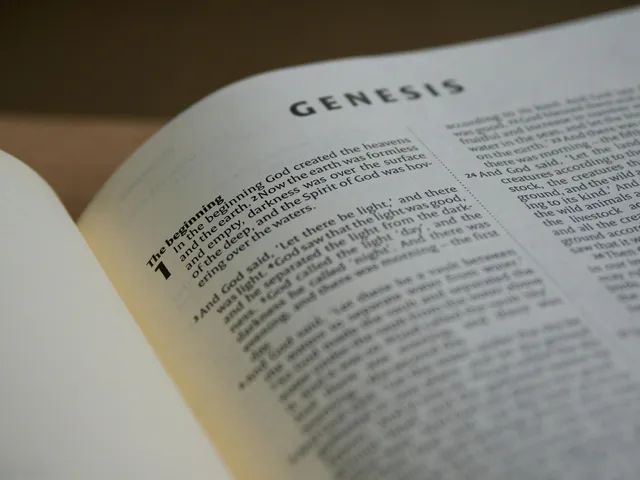
When Genesis opens with the refrain, "And God saw that it was good," we hear not just a declaration of goodness, but an invitation. Humanity is placed in a world God called beautiful, abundant, and whole-and then entrusted with it. As Genesis 2:15 describes, the first human was set in the garden "to work it and take care of it." The Hebrew words used there-'abad and shamar-carry the sense of cultivating and guarding, both active stewardship and gentle protection. In this dual calling, we glimpse the heart of our Creator reflected in the hands of His creation.
Yet today, the garden groans. From smog-shrouded skylines to coral reefs bleached pale, we witness the aching imbalance of a world under strain. Climate science, far from being the enemy of faith, is one of the instruments that reveals this reality. It helps us see with clarity where the earth's systems are faltering, where human activity has tipped the natural rhythms off balance, and where healing must begin. To ignore those insights, out of discomfort or denial, is not a show of faith-it is the opposite of the wisdom Scripture commends.
Faith and Fact: Partners, Not Rivals
There has long been a temptation to see science as suspect, as though studying creation somehow competes with trusting the Creator. But Psalms 19 reminds us, "The heavens declare the glory of God; the skies proclaim the work of his hands." When scientists study the atmosphere, ocean currents, or forest ecosystems, they are in essence studying the handiwork of God. The data and diagnostics that arise from those studies are not secular interruptions to the sacred story-they are fresh readings of God's natural text.
Listening to the Earth's Testimony
Climate science speaks with evidence: rising global temperatures, altered rainfall patterns, increasingly extreme weather. These are not random statistics; they are symptoms. The earth is, in a very real sense, giving testimony. Romans 8 describes creation as "groaning as in the pains of childbirth," longing for renewal. If we listen carefully enough, modern climate data may be the language of that groaning. It compels us to pay attention, not with fear, but with empathy and love for the world God so carefully designed.
The Christian Response: From Dominion to Stewardship
For centuries, some have misread the word "dominion" in Genesis 1:28 as permission to exploit. But dominion in the biblical context does not mean domination-it reflects God's careful, generous rule. A king in Scripture was called to govern as God governs: with justice, mercy, and humility. Dominion is a trust, not a license. When we burn through resources without thought for their renewal, when we treat pollution as someone else's problem, we forsake that trust.
It is here that Christian responsibility becomes not just environmental ethics, but discipleship. To follow Jesus means aligning our daily habits with His character of love and care. That can take tangible forms: reducing waste, supporting sustainable agriculture, conserving water, advocating for environmental justice. These are not secular acts-they are spiritual disciplines. They are ways of saying, "Not my will, but Yours be done" even in how I consume, travel, and build.
The Sacred Ordinary: Small Acts with Eternal Weight
One of the most freeing truths about Christian environmental responsibility is that the work need not feel heroic. The small and ordinary become sacred when offered to God. Choosing to reuse instead of discard, tending a patch of soil, teaching children the wonder of creation-all of it matters.
Jesus spoke often about faithfulness in little things, reminding us that the kingdom grows like a mustard seed. Likewise, global restoration begins in small, local acts. When believers adjust their lifestyles, communities, and churches around care for the created world, the cumulative effect is profound. God values the heart behind the habit; what we do out of love, no matter how minor it may seem, becomes worship.
Creation Care as Witness
Our culture has grown suspicious of faith that is disengaged from the physical world, especially among younger generations searching for authenticity. A faith that preaches heaven but neglects the here and now struggles to resonate in an age of ecological anxiety. What if creation care became one of our most compelling testimonies?
When the church plants trees, restores degraded land, and designs sanctuaries powered by renewable energy, it says something powerful about the God it worships: that He is both the Redeemer of souls and the Sustainer of life. When Christians participate in the healing of the world, we offer a foretaste of the ultimate renewal promised in Scripture-the "new heaven and new earth" of Revelation 21.
Justice and the Vulnerable
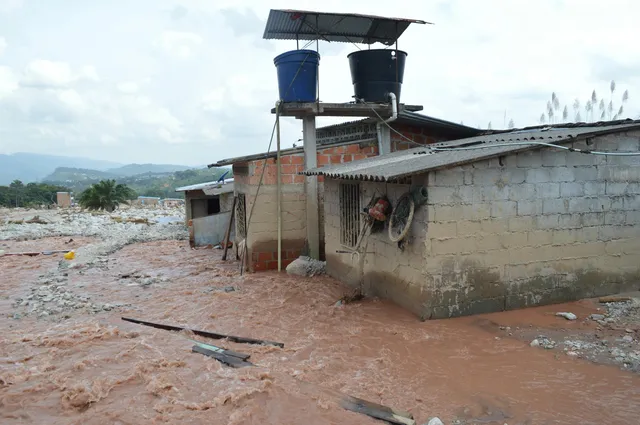
Climate change disproportionately impacts the poor-the ones Scripture repeatedly calls us to defend. Droughts and floods tend to devastate those with the fewest resources to recover. For believers, this intertwines environmental action with social justice. Caring for creation is caring for people. When the church takes up this cause, it doesn't only preserve forests or glaciers; it reflects the heart of God, who lifts up the lowly and provides for every creature.
Prayer, Hope, and the Power of Perspective
Even as we act, we also pray. Prayer anchors us in hope and keeps us humble. It reminds us that ultimately, the renewal of all things rests in God's hands. Yet prayer does not excuse passivity. It aligns our hearts with the heartbeat of heaven. When we intercede for the earth, we are not praying to a distant deity but to a Creator who once walked among trees, calmed storms, and noticed flowers.
Perhaps one of the most transformative practices we can adopt is this: to regularly behold creation and give thanks. Gratitude reorders our perception. It disarms greed and replaces indifference with awe. When we thank God for sunrise, rain, wind, and ocean, we begin to see again what sin and apathy have blurred-that the world is holy ground, and caring for it is an act of love for its Maker.
A Future Secured in God's Promise
For some, the worsening climate crisis feels like a story of despair. But Scripture insists that the story of creation ends not in destruction, but in restoration. The God who made the world good will not abandon it. Revelation's vision of a renewed heaven and earth is not escapism-it is the ultimate expression of redemption reaching every corner of existence. Our present stewardship, therefore, is a sign of faith in that coming renewal.
To care for creation is to live prophetically-to act as if God's promised future is already breaking into the present. It is to bear witness to the hope that "all things hold together in Christ" (Colossians 1:17). That hope invites not withdrawal, but engagement, courage, and deep joy.
Living the Gospel in Every Breath
The conversation around climate change will continue to evolve, and the science will keep refining itself. But the Christian call remains steady: to love God with all our heart, soul, mind, and strength, and to love our neighbor as ourselves. Both commands draw us back to the soil beneath our feet, the air we breathe, the water we share.
Imagine if every believer approached daily life as a liturgy of restoration-choosing actions that echo the Creator's intent. Imagine churches as centers of renewal rather than consumption, communities of people who plant hope, literally and spiritually. That is Christian responsibility in its truest form: a faithful stewardship that honors God, blesses people, and restores the beauty of His world.
May we live this calling with humility and delight. May we be people who walk lightly on the earth, pray deeply for its healing, and bear the image of the One who made it all-Christ, the Lord of creation.