When Christians hear the phrase climate change, it often stirs a mix of emotions-confusion, conviction, hope, even anxiety. The topic is charged with political and scientific layers, yet underneath it lies a deeply spiritual question: What does the Bible actually say about the created world and our responsibility toward it? While Scripture doesn't mention carbon dioxide or global temperature rise, it speaks loud and clear about God's creation, humanity's role within it, and the heart posture we should hold as stewards of what He called "very good."
In the Beginning, God Created-and Called It Good
The first words of Scripture set the tone: "In the beginning, God created." Those who believe must pause there and recognize that creation itself is an expression of God's character-His creativity, order, and generosity. Everything we see-the oceans, the forests, the stars overhead-exists because He spoke and willed it to be. Nothing about creation is accidental or disposable.
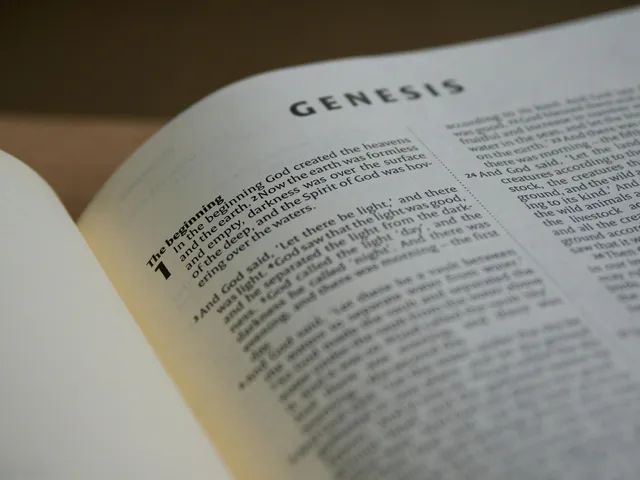
In Genesis 1, God repeatedly calls what He made "good." This refrain crescendos with one last proclamation after creating humanity: "It was very good." The earth is not a backdrop for human activity; it is part of the divine masterpiece that reflects the Creator's glory. Psalms 24:1 reminds us, "The earth is the Lord's and everything in it." Whatever we do to the earth, we're ultimately doing to something that belongs to Him.
Stewards, Not Owners
When God placed Adam and Eve in the garden, He gave them a role: "to work it and take care of it" (Genesis 2:15). This is not a casual suggestion. It is the first job description ever given-a divine appointment of stewardship.
Stewardship implies both authority and responsibility. Humanity was made to manage creation under God's wisdom, not exploit it for selfish gain. Just as a gardener tends, protects, and nurtures his plants out of love, we are called to treat the earth with reverence and care. Scripture never endorses carelessness or destruction; instead, it teaches that dominion is a sacred trust.
Dominion Misunderstood
The word "dominion" in Genesis 1:26 has sometimes been misinterpreted to justify misuse of natural resources. But biblical dominion is not dictatorship-it mirrors the dominion of God Himself: just, loving, and life-giving. To rule as God rules means to serve as God serves. Jesus, the ultimate King, demonstrated leadership not through domination but through humility and self-sacrifice. In that same pattern, human dominion over nature should reflect God's care, not greed.
The Groaning of Creation
The Bible doesn't ignore the brokenness we now see in nature. In Romans 8:22, Paul writes, "We know that the whole creation has been groaning as in the pains of childbirth right up to the present time." Creation itself, Scripture says, longs for redemption.
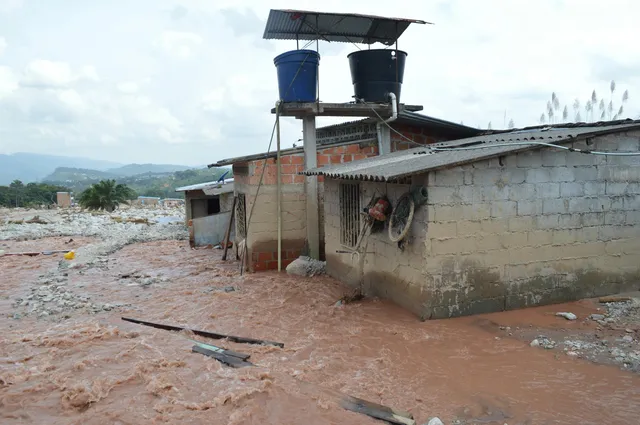
Those groans resonate in the storms that devastate coastlines, in the droughts that parch the soil, and in the species that vanish before their time. Yet these aren't signs of creation's failure-they're signs of human brokenness. The fall of man didn't just corrupt human hearts; it scarred the world that God entrusted to us. Pollution, deforestation, and exploitation are all physical symbols of a deeper spiritual ailment: our separation from the Creator's design for harmony.
Warnings from Ancient Times
Scripture offers cautionary tales about ignoring God's patterns in creation. In the Old Testament, Israel was commanded to let the land rest every seventh year-a Sabbath for the soil (Leviticus 25:4). This rhythm taught that the earth was not an inexhaustible resource but a partner in covenantal life with God. When Israel disobeyed, the land "enjoyed its Sabbath rests" only after exile (2 Chronicles 36:21). The principle is clear: when people refuse God's rhythms of rest and respect, both the human and natural worlds suffer.
Even the prophets connected social injustice, idolatry, and ecological devastation. Hosea 4:1-3 declares that because there is no faithfulness or love in the land, "the beasts of the field, the birds of the air, and the fish of the sea are dying." The moral and ecological are intertwined-spiritual decline spills outward, darkening the earth's beauty.
Jesus and the Created World
When Jesus walked the earth, He often drew spiritual lessons from the natural world. He spoke of seeds, sparrows, lilies, vineyards, and storms. His parables assumed a deep connection between human life and the rhythms of creation. He calmed winds and waves not as an intruder but as the rightful Lord of nature. In Him, creation recognized its Maker.
Christ's resurrection also carries cosmic significance. The risen Jesus is "the firstborn over all creation" (Colossians 1:15), and through Him God is reconciling "all things"-not only people, but the entire created order. The gospel, then, is not a narrow rescue plan for souls alone-it is the beginning of creation's renewal. When believers live out redemption, we participate in that work of restoration, hinting at the new heaven and new earth to come.
Faithfulness in a Warming World
So how does this all translate to our modern concerns about climate change? Science measures climate trends; faith measures hearts. Yet both, viewed rightly, can serve truth. The believer doesn't need to fear scientific understanding-it can illuminate how deeply interconnected creation is, underscoring the call to stewardship that Scripture began thousands of years ago.
Christians might differ in how they interpret data or policies, but we can unite on this: it is never godly to be indifferent to the suffering of creation or people affected by it. Rising seas that displace families, droughts that destroy crops, or extreme weather that harms the vulnerable-these realities are part of the "groaning" creation, and love compels a response.
Small Acts, Eternal Significance
Some may feel powerless in the face of such vast issues. But biblical faith never measures obedience by scale-it measures by heart. A believer who prays for rain, reduces waste, plants trees, or advocates for justice is living out the stewardship of Genesis. Each choice, however humble, is an act of worship when offered with gratitude and awareness that the earth belongs to God.
Creation care is not a political ideology-it's a discipleship issue. It asks whether we really believe the words, "The earth is the Lord's." It challenges us to live as though God's world matters as much as His Word, because both flow from His mouth.
When Creation Praises, Will We Listen?
Psalms 19 opens, "The heavens declare the glory of God; the skies proclaim the work of his hands." The created world is not silent; it constantly preaches its own gospel. When we listen well-to birdsong, to a rushing stream, to the quiet power of mountains-we are not merely admiring nature; we are hearing echoes of praise. If creation sings to its Maker, should not His people learn the same tune?
Tragically, we sometimes drown that Song of Songs with noise-consumption without gratitude, industry without restraint, progress without prayer. When the trees are leveled and the waters polluted, the music fades. Yet even then, God's mercy invites us back to awareness, to repentance, to the joy of tending what He loves.
A New Heaven and a New Earth
The story does not end with decay but with renewal. Revelation 21 paints a breathtaking vision-a new heaven and new earth, the holy city descending as God dwells among His people. This is not the annihilation of creation but its transformation. What began in a garden will end in a city-a garden-city alive with God's light. Our stewardship now anticipates that future. Each act of care, each prayer for creation, is a whisper of that coming restoration.
The Christian hope is not escapism; it is participation. We live today as citizens of that redeemed world, embodying signs of the Kingdom in how we treat the ground beneath our feet. The Spirit who renews hearts also renews creation, and we are His chosen hands.
Bringing It Home
So, what does the Bible say about climate change? It may not offer scientific charts, but it gives us something deeper: a theology of care, humility, and hope. It reminds us that creation is God's, that we are stewards, and that when creation groans, our response should be compassion, not complacency.
To follow Christ in this moment is to look at a changing world and say, "Lord, teach me to love it as You do." It starts small-with prayer, awareness, gratitude, and choices shaped by love rather than convenience. But small seeds grow large in God's economy. The mustard seed of faith can move mountains-or perhaps, mend them.
As we face the uncertain climate of our time, may the people of God be steady, hopeful, and wise. May we lead not by fear but by example-showing that holiness and sustainability can walk hand in hand. And may our care for creation become yet another testimony that the Creator reigns, redeeming all things, until the whole earth once again proclaims His glory.