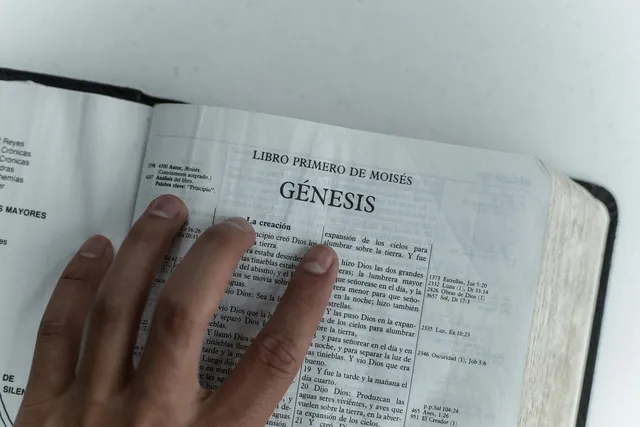
From the opening chapters of Genesis to the final visions of Revelation, the Bible consistently draws our attention to the living world around us. Animals, mountains, oceans, and skies are not accidental background scenery; they are woven throughout Scripture as signs of God's creativity, care, and ongoing relationship with His creation. The story of salvation does not occur in a vacuum-it unfolds in a world alive with His handiwork. Understanding what the Bible says about animals and nature opens our eyes to the sacredness of everyday life and deepens our gratitude for the Creator whose imagination made it all.
The First Garden: God's Delight in His Creation
The Bible begins in a garden. Before humanity ever draws its first breath, God fills the earth with living creatures. Genesis describes a symphony of creation-light, land, water, plants, and every kind of animal-all declared good. Then, finally, humanity is formed, not as an afterthought but as part of this intricate masterpiece. The first command given to humankind is not about war or work-it's about stewardship: to "rule over" and "care for" the earth (Genesis 1:26-28, 2:15). This language is not of domination but of entrusted responsibility. Humanity is invited to join God in protecting and nurturing the flourishing of all living things.
In naming the animals, Adam doesn't express ownership but participation. This intimate act reflects both authority and empathy. God invites humans to see the uniqueness in each creature and, in turn, to reflect His image by caring for them. The first human task is relational-it carries love, awareness, and respect for life in all its variety.
Animals as Teachers and Companions
Throughout Scripture, animals serve as teachers and spiritual symbols. The ant in Proverbs reminds us of diligence; the eagle reveals God's renewing strength; the lamb becomes the tender image of innocence and sacrifice. Nature itself becomes a classroom, full of divine lessons waiting to be noticed. Job 12:7-10 says, "Ask the animals, and they will teach you, or the birds of the sky, and they will tell you." In this verse, humility becomes wisdom's doorway-our need to listen, to learn from creatures who have never left their Creator's voice.
Jesus Himself often pointed to animals and the natural world as mirrors of God's kingdom. He reminded listeners that the Father feeds the birds and clothes the lilies (Matthew 6:26-30), inviting us to trust God's care. He rode into Jerusalem on a humble donkey and was identified as the Lamb of God. In each picture, animals are not props; they are instruments of Revelation. Through them, God whispers truths of provision, humility, and redemption.
God's Covenant with All Living Things
When the floodwaters recede and Noah steps onto dry ground, God establishes a new covenant-not just with Noah, but with "every living creature" (Genesis 9:9-10). It is one of the most remarkable truths in Scripture: God's promises extend beyond humanity. The rainbow serves as an assurance not only to people but to animals and the earth itself. Creation is included in the covenant story. The Creator's mercy is universal, embracing the sparrow, the whale, and the tiniest seed.
This vision broadens how we understand salvation. It is not merely a human transaction; it is cosmic redemption. Romans 8 paints creation as eagerly waiting for liberation, groaning alongside humanity for renewal. This picture of shared longing shows that the restored world God promises will heal both human hearts and habitats. Sin broke the harmony between people, animals, and the land; redemption restores it.
The Prophets and the Peaceable Kingdom
Isaiah's visions of the peaceable kingdom-where wolves dwell with lambs, leopards rest beside goats, and children play safely by the serpent's den (Isaiah 11:6-9)-are not fanciful dreams. They express the heart of God's intent for creation's future. These images speak of a restored world in which fear, predation, and hostility give way to harmony and peace. Even the ferocity of nature is transformed under the reign of Messiah. The prophet invites us to imagine shalom extended to every creature-a wholeness where life thrives as God originally intended.
Creation Worships Its Creator
The Psalms overflow with images of creation praising God. Mountains clap their hands; rivers sing; lions seek their food from the Lord. Psalms 104, in particular, offers a sweeping panorama of the natural world as a living temple where every creature participates in worship. The psalmist sees the world not as a collection of objects but as an orchestra of praise. Even wild animals, often hidden from human eyes, glorify the Creator simply by being what He made them to be.
In this vision, worship is not confined to church walls. It spills into forests, seas, and skies. When we marvel at the flight of birds or the quiet resilience of a blooming flower, we are participating in that chorus of wonder. To love God rightly is to love what He loves-to care, protect, and rejoice in His creation.
A Call to Reverent Stewardship
Modern life often isolates us from the natural rhythms of creation, but the biblical worldview refuses such separation. The earth is the Lord's (Psalms 24:1), and our presence upon it is meant to be reverent. Christian stewardship is not about ownership but relationship-one guided by gratitude and restraint. Proverbs 12:10 commends the righteous for caring for the needs of their animals, suggesting that compassion is part of holiness.
When we protect habitats, adopt sustainable practices, or reduce waste, we are not just engaging in environmentalism; we are honoring the God who formed the birds and breathed life into the soil. Every act of care, no matter how small, is an act of worship. Christian stewardship begins with attentiveness-the willingness to see every creature as part of a divine mosaic.
Jesus and the Living World
One of the most profound aspects of Christ's mission is His embeddedness in the natural world. Born in a stable among animals, He used fishing boats, seeds, and harvests as teaching tools. His parables were anchored in nature-the mustard seed of faith, the vineyards of the kingdom, the sparrow God never forgets. Jesus revealed divine truths in the language of daily earthly life.
Even creation responded to His presence. The winds and sea obeyed His voice; at the crucifixion, darkness covered the land, and the earth trembled. These details remind us that creation recognizes its Savior. The cross stands at the center of the universe's redemption story. Through His death and resurrection, Christ reconciles "all things, whether things on earth or things in heaven" (Colossians 1:20). The cross unites heaven, humanity, and creation in one act of restorative love.
The Resurrection and the Renewed Creation
The resurrection reminds us that God does not discard what He made; He transforms it. Jesus' resurrected body was physical-He ate fish with His friends, walked along the shore, and bore the marks of His suffering. This bodily resurrection gives hope not just for people, but for the entire created order. As Paul explains in Romans 8, the same power that raised Christ from the dead will bring renewal to all creation. The final vision of Scripture does not show souls escaping the world but heaven coming to earth, renewing and filling it with God's glory.
The new creation is both spiritual and physical, filled with animals, trees, and rivers once again unspoiled by sin. Revelation's closing vision reveals a river of life flowing through the city of God, nourishing the tree whose leaves bring healing to the nations (Revelation 22:1-2). The story begins in a garden and ends in one-redeemed, perfected, eternal.
Listening Again to Creation's Voice
In a world of noise and speed, the patience of nature calls us back to holy attentiveness. There is wisdom in watching the patterns God built into the seasons-the sowing and reaping, the rest and renewal. Observing the faithfulness of migrating birds or the generosity of fruit trees can renew our trust in the One who sustains all life. To see the world biblically is to live with eyes open to gratitude and wonder.
When we quiet our hearts enough to listen, creation reveals God's ongoing presence. Theologians have often called this the "book of creation," complementing the "book of Scripture." Both proclaim the same Author. Mountains and stars do not compete with the gospel-they amplify it. They tell the same story in color, scent, and sound: that God is good, powerful, and near.
Living in Harmony with God's Creation
To rediscover what the Bible teaches about animals and nature is to rediscover our place within the grand story of God. We are caretakers, not conquerors; partners, not parasites. Creation is not something apart from our faith-it is the stage on which faith is lived out. Every breath, every creature, every blade of grass testifies that life is sacred and interconnected under the care of the Maker.
As followers of Christ, we are called to walk gently upon this earth, to extend compassion to animals, to treat the environment not as expendable but as part of the family of God's creation. When we honor the living world, we echo the Song of Songs of praise sung by rivers and stars. We become part of that divine harmony Isaiah foresaw-the peaceable kingdom, restored and radiant in the light of Christ. And in doing so, our hearts are drawn closer to the Creator Himself, who looked upon all He had made and called it good.