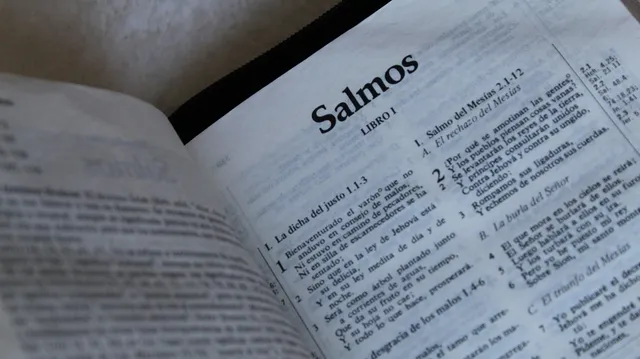
Psalms 23 has calmed countless hearts through centuries of change and trial. Its opening words are among the most recognized in all of Scripture. They rise like a gentle melody, familiar yet always new, offering stillness in storm: "The Lord is my shepherd; I shall not want." More than poetry, these words are a confession of trust - a declaration that the God who made heaven and earth is not distant, but near. He leads, tends, protects, and restores. In a world buzzing with self-reliance and fear, David's Psalms redirects our gaze to the One who satisfies every weary soul.
The God Who Leads with Tender Strength
When David penned this Psalms, he wrote not as a detached observer but as a man who had once shepherded his own father's sheep. He knew the patience it required, the vigilance, the daily routine of care - and perhaps the loneliness of wilderness nights listening for predators. So, when he called the Lord his shepherd, it was deeply personal. He was saying, in effect, "I know what a shepherd does, and that is what God has been to me."
To call God a shepherd is to confess our dependence. Sheep do not chart their own course; they follow the voice of one who knows the way. In a world that prizes self-direction, this seems backward. Yet David found rest not in control but in surrender. The Psalms reminds us that to be led by the Shepherd is not weakness-it is wisdom. The best pasture is not the one we choose, but the one He knows will restore our souls.
Green Pastures and Still Waters
The imagery of lush fields and quiet streams paints more than a pastoral scene; it reveals God's heart. The Shepherd leads us to nourishment and peace, not drive or demand. Sometimes these pastures look like answered prayers, steady friendships, or moments of stillness after long unrest. Other times, they appear hidden, quietly restoring us through prayer, worship, and His Word.
Notice what the Psalms does not say: David does not find these places on his own. He is led there. Our Shepherd knows the terrain of our lives - the rocky paths of disappointment, the valleys of grief, the steep climbs of change - and He leads us where rest is possible, even when circumstances remain hard. The peace He offers is not the absence of trouble but the presence of His direction.
The Valley of Shadows
Everyone eventually walks through some kind of valley. The Psalms turns here from idyllic scenes to one of darkness: "Even though I walk through the valley of the shadow of death, I will fear no evil." This is not theoretical comfort. David himself had faced betrayal, exile, and danger. The valley, whatever form it takes, proposes the same question to every believer: Do I still believe that God is with me here?
The valley doesn't nullify God's guidance; it reveals its depth. The Shepherd does not avoid dark places; He enters them. His presence doesn't make the valley painless, but it does make it purposeful. The rod and staff - symbols of authority and protection - testify that even here, we are not left defenseless. Many discover intimacy with God most vividly not on the heights of success but within the echoing silence of hardship. The promise is not escape from the shadow, but companionship through it.
He Is With You in the Night
When fear grips tightly, the Shepherd's nearness becomes our Song of Songs. Think of Jesus in Gethsemane - facing the darkest valley of all - yet still praying, "Not my will, but Yours." His obedience turns Psalms 23 from comforting poetry into fulfilled prophecy. Through the cross and resurrection, Christ descended into our deepest valley and emerged victorious, proving that nothing can separate us from His love. Therefore, every believer can walk into their own shadows with confidence that their Savior has been there before and still walks beside them.
Your Table in the Presence of Trouble
The Psalms takes a surprising turn here. The Shepherd becomes a Host, spreading a table before us "in the presence of our enemies." The image shifts from pasture to hospitality, from wilderness survival to abundant welcome. God does not merely sustain us; He honors us in the very places once defined by fear or conflict.
The table is not set after every enemy is defeated or every problem resolved. It is prepared in their presence. While anxiety hovers, while uncertainty lingers, the believer is invited to sit and partake of divine fellowship. The cup overflows - not from circumstances improving, but from God's grace cascading into our need. The Psalms presents a radical truth: our peace is not postponed until life is perfect. It is experienced when we accept the invitation to feast on God's goodness even as opposition remains.
In ancient times, sharing a meal symbolized covenant loyalty and protection. To eat at a king's table meant security under his care. The Shepherd who becomes our Host assures us that we belong - not as guests by chance, but as family by covenant. To eat from His table is to rest in the assurance that He knows our wounds, honors our faith, and fills our emptiness with Himself.
The Anointed Life
"You anoint my head with oil," David declares, echoing both shepherding practice and royal appointment. Shepherds would anoint sheep to heal and protect them, while kings were anointed to signify divine calling. In Christ, these two realities meet. We are both cared for and commissioned. The oil of the Spirit marks us as God's own, enabling us to walk in strength beyond our own. Anointed lives carry the fragrance of grace wherever they go - bringing healing, mercy, and light into shadowed spaces.
Goodness, Mercy, and the Long View of Faith
The Psalms concludes not with temporary comfort but with lifelong confidence: "Surely goodness and mercy shall follow me all the days of my life, and I shall dwell in the house of the Lord forever." It is as though the Psalms crescendos from trust to triumph. What began in green pastures ends in eternal dwelling.
"Follow me" are Jesus' words to His disciples; yet here, it is goodness and mercy that follow us. In the Hebrew, the word implies not mere trailing but pursuit. God's goodness and mercy chase His children through every twist of life's path. Even when we wander, grace keeps pace. Many believers can look back and see how the very moments they thought signaled God's absence were later revealed as His tender pursuit.
This is the long view of faith - trusting that our Shepherd writes a larger story than we see today. The same mercy that met us in youthful beginnings will carry us through aging years and into eternity. The Shepherd's provision is both immediate and enduring. It restores the soul now and secures the future forever.
Dwelling in His House
To dwell "in the house of the Lord forever" is not simply a future hope but a present reality of fellowship. In Christ, we already taste that eternal belonging. Every time we worship, every quiet prayer, every act of mercy - these are glimpses of home. Heaven's life begins here, in hearts surrendered to the Shepherd's care.
Living the Psalm Each Day
Psalms 23 is not a relic for funerals or moments of sorrow alone. It is a daily script for renewal. When we awake rushed or restless, it whispers, "The Lord is my shepherd; I shall not want." When decisions cloud our peace, it answers, "He leads me beside still waters." When fear creeps in, it declares, "I will fear no evil, for You are with me."
To live this Psalms is to live relationally - listening for the Shepherd's voice in Scripture, prayer, and the gentle promptings of conscience. It means resting in His timing, confident that nothing about our path surprises Him. It means releasing control and letting His rod and staff correct and comfort us. When we let these truths shape our perspective, ordinary days become sacred ground - guided, guarded, and graced.
Trusting the Shepherd's Heart
Psalms 23 is both personal and cosmic - a quiet field and a kingdom promise. It begins with an individual, "my shepherd," and ends with eternal dwelling, reminding us that personal trust opens to eternal belonging. The Shepherd's care does not depend on our flawless faith but on His unfailing love. He leads us when we are strong, carries us when weak, and never loses us, even when we stray.
Perhaps that is what makes this Psalms timeless. It does not pretend life is always calm, but it insists that God's presence is constant. Whether we find ourselves beside still waters or walking shadowed valleys, we can whisper its opening words and find them still true. The Lord is my shepherd. That single sentence is enough to steady the soul and summon hope again. And as we follow Him into each new day, we discover what David knew long ago - that when the Lord is our Shepherd, no season is wasted, no valley is vacant, and no journey is without His guiding light.