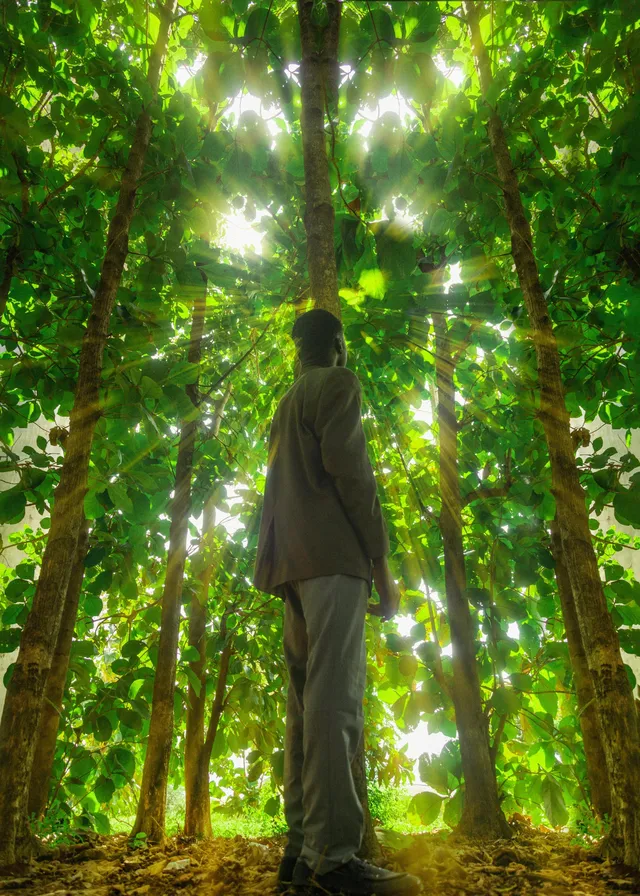
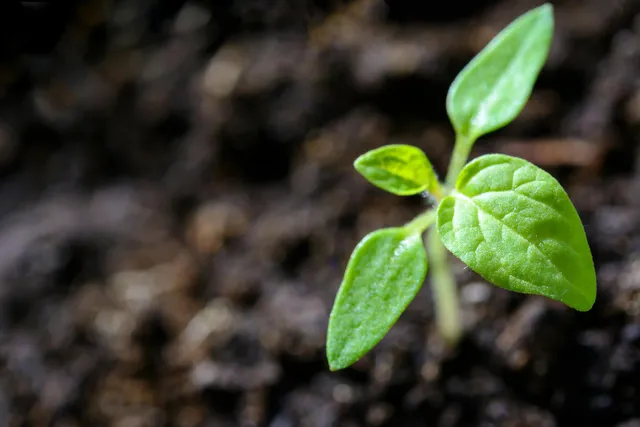
Walk outside at dawn, when the air still hums with the quiet of night. A soft orange blush paints the horizon. Leaves whisper. Birds stretch their songs through the stillness. In those first fragile moments of morning, the world feels sacred-like creation itself is praying. For many believers, these glimpses lead to a question that seems both ancient and urgent: Is caring for creation really part of our Christian calling? Or, to put it more plainly, is creation care a Christian responsibility?
The First Command We Ever Received
Before there were prophets or kings, before there was even sin, there was a garden-and a calling within it. In Genesis 2:15, we read that God took the man and placed him in the Garden of Eden "to work it and take care of it." Those two Hebrew verbs-abad (to serve) and shamar (to keep, guard)-are loaded with meaning. They're not about domination or exploitation; they describe faithful stewardship. Humanity's first vocation was to serve and protect the world God made.
This idea of stewardship isn't secondary-it's foundational. It means creation care isn't an optional add-on to our spiritual life or a trendy sidebar to modern faith. It's baked into the very essence of what it means to be human under God's design. We were created from the dust, placed in a living world bursting with diversity, and given the joyful duty of tending to it.
The Image of God and the Imitation of His Care
Being made in the image of God (Genesis 1:26-28) gives us a royal role in creation. Like a loving sovereign, God entrusted humanity with dominion-but His kind of dominion is never oppressive. It reflects His character: justice, mercy, order, and love. When Scripture says we are to rule over the earth, it is not license to exploit, but a call to reflect the Creator's own care toward what He has made.
Jesus and the Creator's Heart
Even Jesus pointed us back to the Father's tender care for His creation. He spoke of how God feeds the birds and clothes the lilies with beauty beyond Solomon's splendor (Matthew 6:26-29). These are not poetic flourishes-they reveal something profound about the Father's nature. God doesn't ignore the sparrow. He notices its fall. And if our God is that attentive to His creation, how can His children be indifferent?
Creation Groans-and So Should We
Romans 8:19-22 gives a haunting image: creation itself is groaning, waiting for redemption. It's as if the natural world aches under the weight of human brokenness-polluted rivers, stripped forests, scorched skies. Paul's words remind us that the gospel is not only personal but cosmic. God's plan of restoration encompasses all things-souls and soil alike.
When Christians care for creation, we align ourselves with this redemptive hope. We become signs of the Kingdom coming-where harmony between heaven, humanity, and earth is restored. Creation care becomes an act of worship and witness, proclaiming that God's future is already breaking into our present.
Beyond Political Labels
For many believers, the phrase "environmentalism" carries political overtones. But for followers of Jesus, creation care should transcend partisanship. We're not motivated by ideology, but by theology-by the conviction that the earth is the Lord's, not ours to use up (Psalms 24:1). True stewardship comes not from guilt or fear, but from gratitude and love.
That gratitude prompts practical discipleship. Whether we recycle, plant trees, reduce waste, or advocate for sustainable practices, each small act becomes a way to say, "This is my Father's world, and I will tend it well."
The Spiritual Dimension of Stewardship
Sometimes we separate physical and spiritual realms too neatly, as if caring for the earth were a purely material concern. But in Scripture, the created world constantly points us toward divine realities. Mountains echo His majesty. Rivers mirror His provision. The Psalms invite creation itself to praise God-"Let the heavens rejoice, let the earth be glad" (Psalms 96:11).
When we pollute or neglect the earth, it's not only an environmental issue; it's a spiritual one. Creation is a kind of cathedral, and caring for it keeps the sanctuary clean. We protect beauty so that wonder might continue to spark worship.
Practicing Presence
Christians often speak about being attentive to God's presence. The world around us invites such attentiveness. The rhythm of seasons, the changing of light, the resurrection hidden in seed and soil-all reveal God's fingerprints. Learning to listen to creation's Song of Songs can restore a sense of awe that our hurried lives have lost. In that attentiveness, creation care stops being an abstract duty and becomes a deep response to love.
Examples of Faithful Stewardship
Throughout church history, many believers have modeled what faithful creation care can look like. St. Francis of Assisi is perhaps the most famous-his joyful reverence for every creature reflected a profound theology of kinship. But numerous others, from monastic communities who cultivated sustainable farms, to modern-day Christian farmers and conservationists, have embodied this calling.
At its best, Christian creation care is humble and hopeful. It doesn't idolize nature, but honors it as God's handiwork. It doesn't despair over ecological crises, but trusts in God's power to redeem. It seeks balance-loving creation without losing sight of the Creator.
Creation Care in Daily Life
So what does all this look like practically? It starts small. We can begin by noticing. Pay attention to the beauty around you-sunsets, bird songs, rainfall, gardens. Gratitude naturally flows into responsibility. Ask how your habits-consumption, travel, food choices-impact the world. Let your love for the Creator reshape how you use His gifts.
Churches, too, have opportunities to lead. They can manage property sustainably, teach biblical stewardship, or support local creation-care initiatives. Even corporate worship can include prayers for creation and lament for its suffering. When the Church takes this seriously, we model the Kingdom's reconciling power.
A Gospel-Shaped Ecology
The cross reconciles all things-heaven and earth. The resurrection points to renewal, not escape. Revelation ends not with a disembodied heaven but a new earth. The arc of Scripture bends toward restoration. So our care for creation joins God's own redemptive movement. Every tree planted, every act of stewardship, every prayer for healing in a broken ecosystem whispers the gospel in action.
Far from a distraction from evangelism or mission, creation care can become one of the most powerful testimonies to the Creator we serve. In an age of anxiety about the planet's future, Christians bear witness to the Hope who holds it all together. We care because He cares.
Living the Answer
So yes-creation care is indeed a Christian responsibility. But it is more than a duty. It is a delight, a form of love, an act of worship. It is the quiet, steady keeping of Eden's first command, joined to Christ's redeeming mission for all creation. To care well for the world is to reflect the God who still calls it "very good."
Tomorrow, when you step outside and feel the wind brush your face, remember the One who sends it. When rain falls or stars emerge, pause to give thanks. And in that gratitude, may you feel the gentle tug of your vocation as caretaker, servant, and priest of creation. For when we tend to the earth, we are tending to what belongs to our Father. And there is no calling more sacred than that.