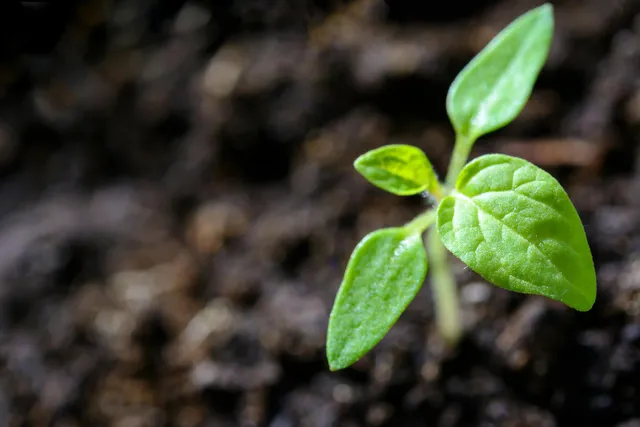
In Scripture, the Lord calls creation "good"-not just once, but again and again. From the opening lines of Genesis to the Psalms that sing of mountains and rivers clapping their hands, the Bible proclaims a world imbued with divine craftsmanship. Yet the same story of creation that reveals God's glory also entrusts humanity with a sacred task: to care for the earth as stewards, not owners; as servants, not masters. In a world of climate uncertainty, habitat loss, and consumer excess, this ancient calling has never felt more urgent or more relevant to daily Christian life.
Rediscovering Our Vocation as Stewards
When God placed Adam in the garden, the text tells us he was to "work it and keep it" (Genesis 2:15). Those two verbs-serve and preserve-reveal a rhythm of care. Creation care is not a side project or political slogan; it is woven into the fabric of worship itself. To tend the earth well is one way we express gratitude to the Creator.
Many Christians think of stewardship chiefly in terms of money. But the call of stewardship extends across all the gifts God gives: time, relationships, talents, and yes-the material world He made and loves. Being a faithful caretaker of the environment is not peripheral to our faith; it's an embodied response to the God who delights in creation and invites us into that delight.
Practicing Gratitude Through Simple Choices
Creation care begins, perhaps surprisingly, in a posture of gratitude. Gratitude transforms how we see our surroundings. If we truly believe the earth belongs to the Lord (Psalms 24:1), then every sunrise, every meal, every breath of clean air becomes an occasion for worship.
Mindful Eating and Thankful Living
The table can become holy ground when approached with awareness. Choosing locally grown foods or reducing food waste isn't just a lifestyle trend. It's an act of thanksgiving. When we eat with reverence, we acknowledge both the gift and the Giver. We can whisper a prayer for the hands that harvested our food, for the soil that nourished it, for the rain that sustained it. These ordinary prayers nurture extraordinary habits of the heart.
Contentment as Resistance
We live in a culture that equates worth with consumption. But the command "You shall not covet" (Exodus 20:17) still speaks against the restless appetite of our age. Contentment becomes a quiet act of rebellion and a steadfast form of creation care. When we buy less, reuse what we have, or choose quality that lasts, we release our grip on things and loosen their grip on us. Living simply frees us to love deeply-God, neighbor, and world alike.
The Spiritual Power of Slowing Down
Modern life races ahead at a dizzying speed. Yet the Creator Himself modeled a rhythm of work and rest. The Sabbath was never meant to stifle productivity; it was designed to remind us that we are creatures, not machines. To honor the Sabbath is, in essence, to honor creation's limits and our own.
Imagine your Sabbath moments not just as time away from tasks, but as time toward renewal-time in nature, time in silence, time to notice the birds and the wind. Jesus often withdrew to lonely places to pray; we, too, need moments of quiet with the Father, surrounded by the handiwork He declared good. The slower we go, the more attentive we become to the sacred rhythms of creation itself.
Community: Caring Together, Not Alone
While individual discipline matters, real transformation blossoms in community. The early church modeled this in Acts: believers shared possessions, meals, and compassion. Why not also share commitments to nurture the earth that sustains us all?
Church Gardens and Local Partnerships
Some congregations are finding fresh ways to integrate creation care into church life-starting community gardens, organizing cleanup days, or partnering with local farmers. These efforts do more than beautify spaces; they restore our sense of shared responsibility. In planting seeds together, we rediscover that God's kingdom grows best from the ground up.
Teaching the Next Generation
Children learn theology by watching it lived. When families recycle together, spend time outdoors, or pray for creation, they sow seeds of reverence that can last a lifetime. Imagine the witness of a child who grows up seeing care for the planet as nothing less than a form of discipleship. Such lessons reach into eternity.
Repair and Renewal as Acts of Faith
Broken things-whether ecosystems or human hearts-call forth the same divine impulse: restoration. God is in the business of making all things new (Revelation 21:5). When we participate in repairing what's damaged in creation, we align ourselves with that divine renewal.
Consider the humility of mending a torn shirt instead of discarding it, or the diligence of tending a polluted stream. These small repairs echo a bigger Gospel truth: in Christ, nothing is beyond redemption. Every act of restoration whispers resurrection.
Integrating Faith and Practicality
Faith without works is dead, James reminds us. So how might we bring faith to life in our daily routines? We need not overhaul everything at once. Instead, begin where you are. Little daily changes, lifted with prayer, become living liturgies of love.
- Walk or bike when possible-let your commute be a time of prayerful reflection rather than stress.
- Turn off unused lights as an act of mindfulness, not mere frugality.
- Compost as a tangible reminder that death and decay can give rise to new life.
- Choose products that honor fair labor and sustainable sources-justice and stewardship often walk hand in hand.
When these actions are rooted in faith, they cease being chores and become offerings. The Apostle Paul wrote, "Whatever you do, do all to the glory of God" (1 Corinthians 10:31). That "whatever" includes planting trees, conserving water, and advocating for those most harmed by environmental degradation. Creation care is not separate from the Gospel; it's one of its many fruits.
Finding God's Presence in the Created World
St. Francis of Assisi famously called the sun his brother and the moon his sister, recognizing kinship with all God's creatures. His strange, poetic vision can feel distant to us-until we, too, stand in a forest or by an ocean and sense something holy stirring. In those moments, our theology meets our senses. The God who became flesh surely cares about the material world, for He chose to dwell within it.
Nature is one of the quiet classrooms of grace. The rustle of leaves or the vast night sky remind us of both our smallness and our belonging. Caring for creation draws us closer to the God whose fingerprints remain on every flower petal and gust of wind. Many of the saints found renewal not in cathedrals, but in the wide cathedral of creation itself.
Hope: Planting Seeds of the Kingdom
It can be easy to despair at the scope of environmental need. Yet Christian hope is not built on statistics-it is anchored in resurrection. The same Spirit who brought life out of chaos in Genesis and life out of the tomb in the Gospels is still at work today. Every tree planted, every prayer whispered, every habit reformed becomes a small participation in God's redemptive plan.
When we care for creation, we don't just sustain the world; we proclaim our faith in the coming renewal of all things. As Romans 8 describes, the entire creation groans in eager expectation for redemption. We are not separate from that longing-we are called to live as signs of it.
Living the Prayer, "Your Kingdom Come"
Creation care is not a duty to dread but a joy to embrace. It is daily worship expressed through our habits, our gratitude, and our gentle hands upon the world God so loves. We may never solve every environmental problem ourselves, but faithfulness is never measured by scale. It is measured by love.
Imagine waking each morning with a prayer that your choices today-how you travel, eat, work, rest-might reflect divine care. That prayer transforms the ordinary into holy ground. In every recycled jar, every tended garden, every mindful rest, we proclaim: the Creator still reigns, and His people still tend His good earth.
To care for creation is to echo Eden's original Song of Songs-one of harmony, gratitude, and faith-filled stewardship. And as we live it, day by day, we become small but radiant reflections of the One who made all things good.