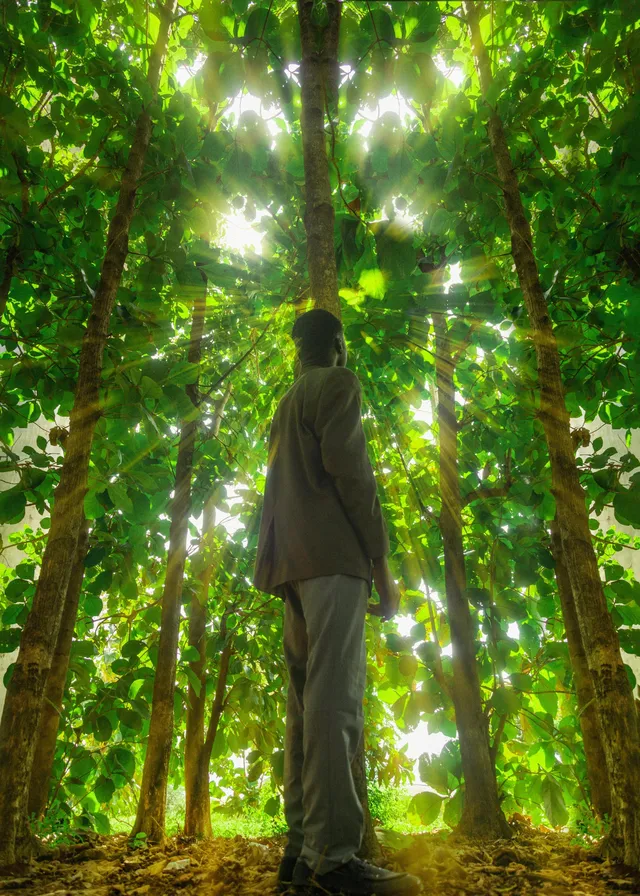
When we talk about sustainable living, most people imagine compost bins, solar panels, and reusable shopping bags. But for a person of faith, sustainability reaches far deeper-it touches the soil of the heart, as much as the soil beneath our feet. To live sustainably as a Christian is not only to care for creation but to honor the Creator. It's a spiritual expression of gratitude, stewardship, and hope for God's world.
The Earth Belongs to the Lord
Psalms 24:1 begins, "The earth is the Lord's, and everything in it." That single sentence reorients our entire mindset about sustainability. The world is not our possession-it is a sacred trust. We are not owners but caretakers, and our daily choices whisper something about how we understand our relationship with God.
When Adam was placed in the garden, Genesis 2:15 says he was put there "to work it and take care of it." It was a commission of balance-cultivation and care, productivity and protection. To live sustainably is to continue this ancient calling. Whether we live on acres of farmland or in a city apartment, our dominion is not domination; it is faithful stewardship.
Reclaiming Stewardship in Everyday Life
Stewardship has often been reduced to conversations about budgets and tithing. But biblical stewardship is broader-it's the lens through which we see all of life. God entrusts us not only with time, talents, and treasure but also with rivers, forests, skies, and seas. They are all part of the sacred assignment.
Sustainable living begins with awareness. Every product we buy, every meal we eat, and every source of energy we use carries a story of creation, labor, and impact. As Christians, we are invited to pause and pay attention to those stories-not out of guilt, but out of love.
Small Acts with Eternal Resonance
Choosing to walk or bike to work, turning off unused lights, planting native species, supporting ethical companies-all these may seem small in isolation. Yet in God's economy, no faithful act is wasted. Jesus said that even a cup of cold water given in His name will not lose its reward (Matthew 10:42). The same principle applies when we act with love toward His creation.
These habits change the heart before they change the planet. They train us in attentiveness and gratitude. When you hang laundry to dry, you begin to notice the rhythm of wind and sun. When you tend a garden, you learn again that you are dust, and to dust you will return. And yet, that dust is beloved by God.
The Spiritual Roots of Sustainability
Modern culture often approaches sustainability from self-interest or fear: saving money, preventing disaster, ensuring survival. But biblical sustainability is born from worship. It flows from acknowledging God as both Creator and Sustainer. We care for the world not to save it by our own strength but as an act of reverent participation in God's ongoing creative work.
In Colossians 1:16-17, Paul writes that all things were created through Christ and for Him, and that in Him all things hold together. This means every element of creation-mountain and molecule alike-is bound up in Christ's sustaining power. To live sustainably, then, is to live in harmony with what God is already doing.
From Dominion to Communion
The language of dominion in Genesis has often been misunderstood as license to exploit. But when viewed through the example of Jesus-the true image of God-dominion becomes a model of loving service. Christ ruled by giving Himself away. He multiplied bread without waste. He commanded storms but also retreated to mountains for prayer. Sustainable living imitates that humility; it's dominion as servant leadership, not as conquest.
Reimagining Consumption as Worship
Our modern identities are easily shaped by what we consume. Advertising constantly whispers a false gospel of scarcity: that our worth depends on what we buy. Yet the Gospel tells another story-one of sufficiency, contentment, and rest.
Practicing sustainability challenges the idol of excess. It pushes us to ask, "When is enough, enough?" Making do with less can be profoundly spiritual, a way of declaring trust that God provides our daily bread. Simplicity is not deprivation; it is freedom from the clutter that dulls our sensitivity to grace.
Finding Joy in Enough
There is a certain joy that comes when we reorder our lives toward gratitude rather than consumption. The book of Ecclesiastes, often seen as somber, offers this grounding wisdom: "Better one handful with tranquility than two handfuls with toil and chasing after the wind" (Ecclesiastes 4:6). In that quiet satisfaction lies a thread of sustainability-a life not stretched thin by endless acquisition but anchored in peace.
The Church as a Living Example
Church communities have a unique opportunity to model sustainable practices that flow naturally from faith. Imagine congregations that plant trees not just for shade but as symbols of hope. Kitchens that compost not just to manage waste but as acts of reverence. Worship services that include prayers for farmers, factory workers, and those impacted by climate crises.
The Church's witness becomes tangible when it touches the earth. Solar panels on the roof, community gardens in unused plots, water conservation in parish halls-these are sermons preached without words. They declare that our theology is not confined to Sunday mornings but spills into Monday's soil and sky.
Faith in Action: Stories That Inspire
Across the globe, believers are living out this calling in creative ways. Congregations have begun "Creation Care" ministries that audit energy use and plant pollinator gardens. Mission groups are teaching sustainable farming that restores both land and livelihood. These are not trends but testimonies-small resurrections declaring that death and decay do not have the final word.
The Discipline of Delight
Living sustainably should not be driven only by duty but also by delight. God called His creation "good," and He delights in it (Genesis 1). When we take time to behold the beauty of a sunset or the crisp fragrance after rain, we are practicing praise. Sustainability nourishes worship when we slow down enough to notice what God still sustains.
Rest, too, is part of that rhythm. The Sabbath invites both humanity and creation to breathe. In Leviticus 25, even the land was given a Sabbath rest every seventh year. This ancient command reminds us that rest is not idle-it's restorative. Part of living sustainably is allowing for that sacred balance of work and renewal.
Rethinking Progress
Christian sustainability also redefines what it means to progress. It asks, Are we building a world that mirrors God's kingdom-marked by justice, peace, and flourishing for all creation? Or are we chasing advancement that leaves behind the most vulnerable?
Prophets like Isaiah envisioned a world renewed, where deserts blossom and nations live in harmony. This vision compels us to see that ecological care is also social care. Pollution, drought, and waste disproportionately harm the poor. Thus, environmental stewardship becomes an expression of compassion and justice, not just conservation.
Living as a Pilgrim, Not a Consumer
Scripture often describes people of faith as pilgrims or sojourners. A pilgrim travels light, attentive to God's leading, mindful of the temporary nature of things. Sustainable living echoes this pilgrimage mindset: we are passing through, but we are called to tend well the ground under our feet.
This pilgrimage attitude transforms sustainability from a checklist into a lifestyle of worship. It reminds us that ownership gives way to gratitude and that every good gift is given for the sake of shared blessing.
Practical Pathways for Spirit-Led Sustainability
Every household and individual will live out this calling differently, yet here are a few spiritual practices interwoven with sustainable habits:
- Practice gratitude daily. Before meals, thank God not only for the food but for the soil, sun, and hands that brought it forth.
- Reduce waste intentionally. Let every item remind you that creation's resources are finite, and life itself is sacred.
- Fast from convenience. Occasionally choose slower, more mindful methods-cooking from scratch, fixing what's broken, sharing what you have.
- Pray outdoors. Step outside to encounter God where birds sing and breezes move; let creation become your chapel.
- Support restoration work. Engage with organizations that replant forests, clean waterways, or assist communities in sustainable farming.
These habits, practiced with the right heart, become sacraments-physical expressions of spiritual truths. They draw us closer to God and nearer to the pulse of His creation.
Hope That Renews the Earth
Ultimately, Christian sustainability is grounded in hope. We do not live sustainably out of fear of desolation but out of anticipation of renewal. Romans 8 speaks of creation groaning, waiting for the children of God to be revealed. Our faithful participation in sustainability is part of that unveiling-a sign that redemption is already at work.
The Gospel is profoundly ecological: it reconciles heaven and earth, spirit and matter, humanity and habitat. Through Christ, we glimpse not escape from creation, but its transfiguration. Every act of care-every tree planted, every item repaired, every prayer of gratitude-is a foretaste of that restored world.
A Closing Reflection
To live sustainably as a person of faith is to live awake-to God, to neighbor, to creation. It's to see your recycling bin as an altar, your garden as a sanctuary, your daily choices as liturgy. It's to remember that stewardship began in Eden and continues wherever God's people choose to honor Him through care.
In Jesus, we find both the model and the means for faithful living. His life was one of perfect balance-dependent on the Father, attentive to people, and in tune with creation. When we walk in His steps, we become restorers in a world that groans for grace. Sustainability, then, is not just about saving the planet; it's about cultivating the soul-so that, when He returns, we may rejoice in the words, "Well done, good and faithful servant."