Opening a Bible for the first time can feel like standing at the edge of a vast ocean. The waves of stories, commandments, prophecies, and poetry stretch far beyond what the eye can see. Many people begin this journey full of hope-only to find themselves lost somewhere between Genesis and Leviticus, unsure how to stay afloat. But reading Scripture doesn't have to be overwhelming. The Word of God was not given to experts or theologians alone-it was given for you. The Bible is a living, breathing invitation from God to know Him, to walk with Him, and to be transformed by His love.
Start with Relationship, Not Rules
Before you even open the cover, take a deep breath and let go of the pressure to "get it right." Reading the Bible is not a performance-it's a conversation with God. Imagine sitting down with someone who loves you immeasurably. You don't need to impress them. You just need to show up. Approach the Bible the way you would approach a trusted friend-with openness, curiosity, and patience.
Ask God to speak to you as you read. A simple prayer like: "Lord, help me see You in these words. Let me understand what You want me to see," can open doors that study alone never will. The Bible is spiritual-so invite the Holy Spirit, its true Author, to be your guide.
Choose the Right Starting Point
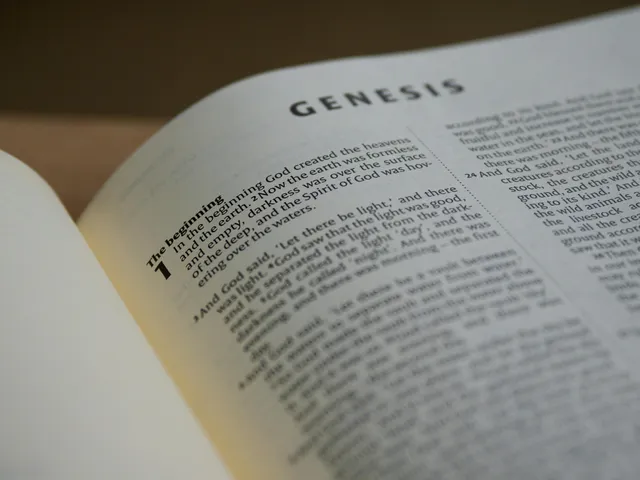
One of the most common mistakes new readers make is starting at page one and expecting to read straight through. Genesis is fascinating, full of drama and divine promises, but soon enough you'll reach ancient laws and genealogies that can feel bewildering. If you're new to Scripture, begin with one of the Gospels-Matthew, Mark, Luke, or John.
These four books tell the story of Jesus' life, teachings, death, and resurrection. They give you a clear picture of who He is. Once you see Jesus-His compassion in Mark, His humanity in Luke, His wisdom in Matthew, His divinity in John-everything else in Scripture begins to fall into place. The Old Testament points forward to Him; the rest of the New Testament flows from Him.
Why John is a Wonderful Beginning
If you're unsure which Gospel to begin with, many find that John captures both heart and depth. It opens not with a genealogy or a manger, but with these words: "In the beginning was the Word, and the Word was with God, and the Word was God." From the first line, John invites you into the mystery and majesty of Christ.
As you read, underline or highlight phrases that move you. Pause to reflect. Ask: What does this reveal about God's character? What does it tell me about who I am in His eyes?
Think of the Bible as a Story, Not a Manual
Sometimes, we come to Scripture expecting a list of self-help tips or religious rules. And while the Bible does include wisdom and guidance, it isn't primarily about what we should do-it's about who God is and what He has done. From the first page to the last, it's a story of redemption. A love story written across generations, with triumphs, heartbreak, and ultimate restoration through Jesus Christ.
When you recognize that grand narrative-Creation, Fall, Redemption, Restoration-you begin to see how the pieces connect. Abraham's faith, David's courage, Esther's boldness, Peter's failures, Paul's endurance-they all point toward the same faithful God who is still writing His story in your life today.
Take It One Bite at a Time
You wouldn't eat an entire feast in one sitting; neither should you expect to absorb all of Scripture at once. Trying to read too fast can rob you of depth and delight. Instead, choose smaller portions-maybe a chapter or even a single passage-and linger there. Read slowly, even aloud. Let the words settle.
Meditation is not about covering ground; it's about sinking roots. The Psalms describe the blessed person as one who "delights in the law of the Lord, and on his law meditates day and night" (Psalms 1:2). Meditating doesn't mean doing something mystical; it simply means returning to a verse, pondering, and letting it shape your heart. Write a phrase in your journal. Repeat it throughout your day. Listen for what God might whisper through it.
A Example in Practice
Consider reading Psalms 23 slowly, one verse at a time. Don't rush to the next line. Sit with, "The Lord is my shepherd; I shall not want." What does that mean for you right now? Where have you been searching for security, when your Shepherd already provides? Suddenly, reading becomes intimate-alive with meaning and presence.
Use Tools Wisely-But Keep the Heart First
Commentaries, devotionals, and study Bibles are wonderful resources, but they should never replace the direct encounter between your heart and God's Word. Let Scripture interpret Scripture. When a passage confuses you, take note of cross-references in your Bible's margins. Often another verse will bring clarity and balance.
Journaling can also help. As you write down your questions, observations, or prayers, you create space for God's voice to echo longer in your thoughts. Some days you'll note profound insights; other days you'll simply record, "I don't understand this yet." Both are holy responses. The act of staying with Scripture-even in mystery-is itself a posture of faith.
Read with Community
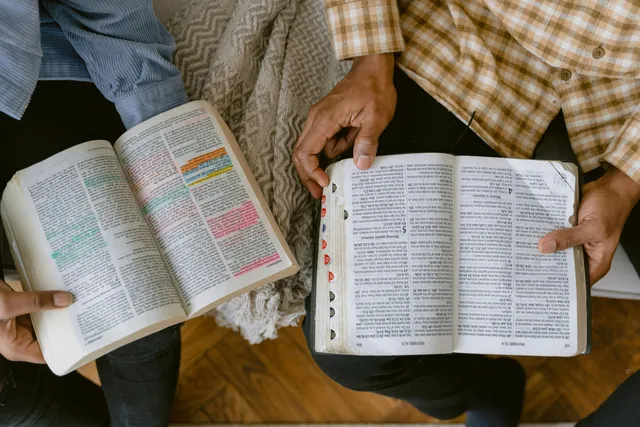
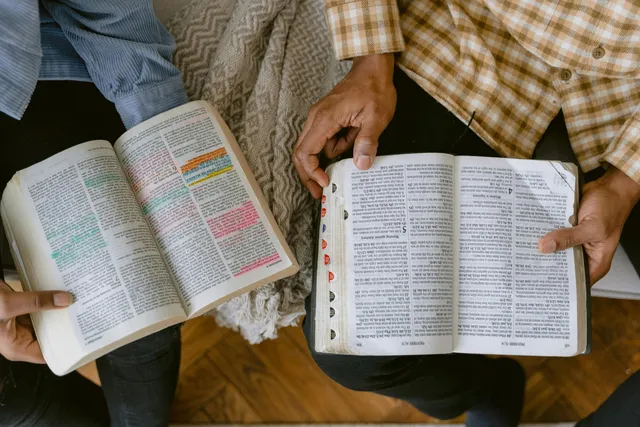
Though faith is deeply personal, it was never meant to be private. The early church gathered often to read Scripture aloud. They listened together, wrestled together, rejoiced together. Likewise, finding a Bible study, a small group, or even one friend to read with can deepen your understanding beyond what private reading alone can offer.
In community, you hear how others have wrestled with the same passage. You see how God's Word meets people in different seasons. Scripture comes alive when shared. You may discover that someone else's struggle, insight, or prayer mirrors your own. And when you read aloud together, those ancient words resound with fresh power, as if you're part of that same sacred conversation echoing through centuries.
When You Feel Lost or Discouraged
It's normal to feel confused at times. Even the disciples, walking daily with Jesus, often missed the meaning of His words. The good news? God is patient. He teaches gently, through time and repetition. The key is not to quit.
When confusion arises, step back and ask: What do I understand about God's character from what I've read? What parts seem unclear? Sometimes, focusing on what is clear-His love, His faithfulness, His mercy-helps bring light to what is not yet clear. And if you ever feel spiritually dry, turn to the Psalms. Their honesty will meet you where you are, putting words to every emotion from despair to delight.
Let Grace Lead You Forward
Reading the Bible is not about measuring progress-it's about being formed. Some weeks you'll read daily; others, you might skip days. Don't let guilt drive your rhythm. Let grace lead you back. The goal isn't to master the Scriptures, but to let the Scriptures master you.
Over time, you'll begin to notice something miraculous: familiar verses speaking in new ways, stories connecting across books, patterns of God's heart surfacing again and again. That's the Spirit at work, weaving truth into your being.
Living the Word You Read
Ultimately, the Bible isn't meant to stay on the page. It's meant to shape how you live, love, and see the world. James wrote, "Do not merely listen to the word, and so deceive yourselves. Do what it says." When you begin living the truths you read-choosing forgiveness, pursuing humility, standing for justice-Scripture moves from being information to transformation.
Each time you open the Bible, you're stepping into God's unfolding story-and your life is part of it. The ancient text becomes shockingly current when you allow it to speak into your workplace, your relationships, your fears, your hopes. Every moment becomes an opportunity to practice what you've read.
The Lifelong Journey of Knowing Him
Reading the Bible for the first time is not about getting through a book; it's about coming home-to the voice of the One who made you. The more you read, the more you realize Scripture isn't static-it's alive. The same Spirit who inspired prophets and apostles now breathes life into your reading. This means every page offers not just wisdom, but relationship.
Start small. Stay consistent. Ask questions. Listen. And most of all, approach every reading expecting to meet Him there. In time, the words will no longer feel distant or daunting; they'll feel familiar, like the steady voice of a Friend who has been walking beside you all along. And that, at its heart, is the miracle of reading the Bible: you don't just learn about God-you begin to know Him.