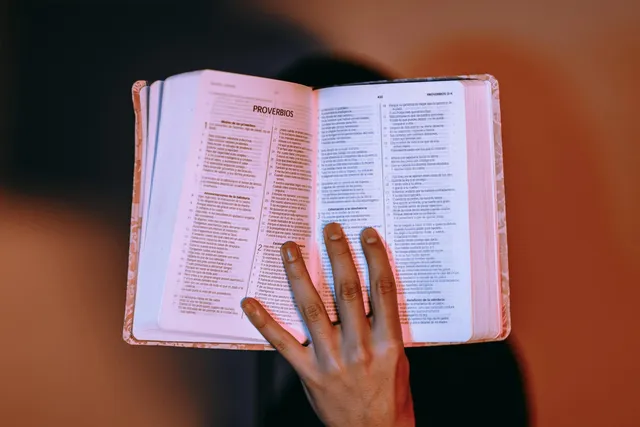
The Bible is not simply a book-it is a wellspring of words that have shaped the way we speak, tell stories, think about justice, and express love. Across centuries and continents, its language has left deep imprints on languages and cultures, inspiring poets, guiding lawmakers, and comforting the suffering. To trace the Bible's influence is to uncover how divine truth wrapped in human words has formed the world's linguistic and cultural DNA.
The Book That Spoke Every Language
From the ancient scrolls of Hebrew poets to the rhythm of English Psalms, the Bible has been translated into more languages than any other text in history. Today, portions of Scripture exist in over three thousand tongues-a living testimony to the conviction that God's Word belongs to every people, every language group, every individual soul. Each translation is more than a linguistic project; it is a cultural exchange, where Holy Writ meets human identity in sound and symbol.
When early missionaries brought Scripture into new regions, they did not merely teach a foreign book-they helped shape alphabets and preserve spoken languages. Many African and Asian languages gained their first written forms so that people could read the Bible. Wherever the gospel took root, literacy blossomed. In that sense, Scripture has served not only as spiritual teacher but as midwife to language itself.
The Bible and the Birth of Modern English
Few cultural transformations illustrate this influence better than the shaping of the English language. Long before the King James Version, the bold work of translators like John Wycliffe and William Tyndale infused English with phrases and idioms that still roll from our tongues. When the King James Bible was completed in 1611, its cadence and vocabulary became the heartbeat of English-speaking culture.
A Legacy in Every Phrase
Everyday sayings-"the powers that be," "the salt of the earth," "a thorn in the flesh," "the writing on the wall"-whisper reminders of the sacred text they came from. Even people who have never opened a Bible use its words unknowingly. The poetic clarity and rhythm of the King James translators shaped how English learned to sound majestic, moral, and profound.
Modern linguists marvel at the balance those translators achieved: faithfulness to the Hebrew and Greek texts, yes, but also a musicality born of prayerful reverence. Their aim was not only accuracy but holiness of tone. That pursuit of beauty as a form of truth gave English its spiritual resonance. In everything from Shakespeare's plays to Lincoln's speeches, we hear echoes of that sacred vocabulary.
Language as a Vessel of Revelation
In the very structure of the Bible, there is a reverent awareness of language's power. Words are never casual instruments-they are vehicles of Revelation. From the opening line, "In the beginning was the Word," Scripture teaches us that divine meaning is wrapped in human language. To speak is, in some small way, to create; to name is to participate in God's ordering of the world.
Every culture shaped by Scripture inherits this dignity of speech. Language becomes something sacred-a place where God's voice might still be heard. The prophets spoke with weight because they believed the Word of the Lord carried authority not from clever rhetoric but from the God who sent it. In a world of noise, that conviction still challenges us: to speak truthfully, humbly, and for the good of others.
When the Word Became Art
Beyond language, the Bible has shaped imagination itself. Artists and musicians, sculptors and playwrights have all drawn from its pages. The Renaissance was drenched in biblical stories reframed through canvas and marble. Modern cinema and literature, whether reverent or rebellious, often revolve around themes the Bible introduced: exile and redemption, covenant and freedom, sacrifice and resurrection.
The Psalmist's Echo in Poetry
Consider how deeply biblical poetry influences modern Song of Songs and verse. The Hebraic parallelism of the Psalms taught poets how to balance emotion with simplicity, how to cry and praise in one breath. Famous English poets-from Milton to Eliot-found in Scripture the model of literary sincerity. Even when they wandered from doctrine, they borrowed Scripture's rhythm, its imagery of light and darkness, wilderness and homecoming.
The arts that spring from faith remind us that truth seeks beauty as its willing companion. The Bible invites human creativity not by stifling it, but by setting it aflame with redemption's story.
The Shaping of Moral Imagination
Every culture carries the stories that teach it what goodness means. The Bible's narratives have done that for much of the world. From the parable of the Good Samaritan to the command to love one's enemy, Scripture reimagined the moral order. Compassion for the poor, defense of the oppressed, dignity of every person-these were not cultural assumptions in the ancient world; they were revolutionary because God declared them true.
Over centuries, biblical values filtered through laws, customs, and social movements. The abolition of slavery, the birth of hospitals and schools, the call for justice-all drew strength from the biblical conviction that every human being bears the image of God. The Bible taught language not only how to speak but how to mean rightly-to use words that heal rather than wound.
Words That Built Nations
In moments of turmoil, leaders often turned to biblical language to give voice to unity and hope. From speeches in the American civil rights era to declarations of peace and freedom around the world, Scripture's phrases offered moral clarity. "Let justice roll down like waters," cried Amos centuries ago-and those words became a banner for generations fighting for equality. When language borrows from such wells, it speaks with borrowed eternity.
Translations That Transform
Every act of translation is also an act of faith. Translators listen not only to words but to hearts-the hearts of those waiting to hear God's voice in their own tongue. When new Bible versions appear, they awaken fresh expressions of worship. They let grandmothers teach their grandchildren the promises of God in the language that shaped their earliest cradle songs.
To translate Scripture is to trust that God's truth can cross boundaries of syntax and tone. Whether in the stately grandeur of Elizabethan phrasing or the gentle simplicity of modern language, every translation is another door flung open for divine encounter.
How the Bible Formed Community Speech
Not all influence is visible in literature or art; some of it hums quietly in daily speech. Phrases like "by the skin of my teeth" or "go the extra mile" entered ordinary vocabulary through sermons, readings, and family devotions. Through centuries of communal hearing-whether in cathedrals or small churches-the Bible became the shared reference point of conversation. It gave people a language of faith, gratitude, confession, and blessing.
When believers greet each other with "peace be with you," they echo ancient Hebrew benedictions. When we say "amen," we are agreeing with a truth that began long before us. The Bible teaches us how to talk to God, but it also teaches us how to talk to one another-with words seasoned by grace and truth.
Languages Changed, but the Word Endures
Through time, empires and tongues have risen and fallen, yet the Bible remains astonishingly alive. Its words cross frontiers, its metaphors adapt to new ages, but its message never loses pulse. The same Word that once strengthened desert wanderers still speaks courage into hospital rooms, classrooms, and quiet hearts today.
Though modern culture moves swiftly, often careless with words, Scripture invites us to slow down, listen, and let the Word dwell richly within us. Every translation, every sermon, every whispered prayer keeps the story going-that in all voices and dialects, one divine message continues to resound: God with us, in the language of love.
Writing the Word in Our Own Lives
The Bible has not only influenced languages and culture-it continues to do so whenever believers live according to its truth. Each time we forgive as Christ forgave, each time we speak words of encouragement instead of criticism, we extend the Bible's influence beyond text into living testimony. The culture shaped by Scripture is not a relic of the past; it is the present-tense kingdom of God at work in human hearts.
Our calling is to become living translations of the Word, bearing its grace into workplaces, homes, and friendships. As we cultivate Scripture-shaped lives, our words, too, can bring light where there is confusion, beauty where there is pain, and truth where there is deception. Language and culture will continue to evolve, but the living Word remains our steady center-a reminder that every tongue and every story can still glorify the God who first spoke light into the darkness.