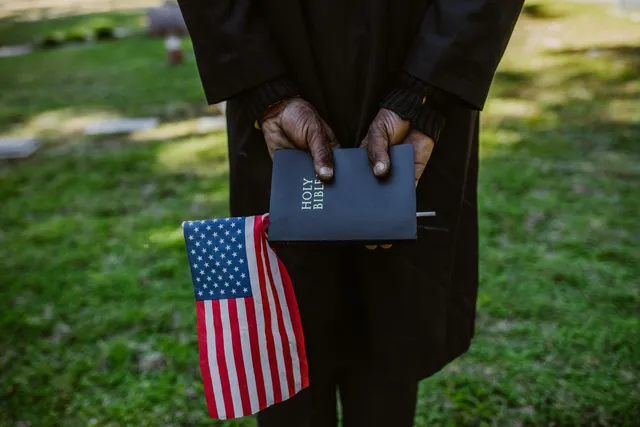
Few books have shaped the rhythm of our speech, the texture of our thoughts, and the pulse of our daily conversations quite like the Bible. Whether or not people realize it, Scripture echoes through boardrooms, kitchens, political speeches, and playground chatter. From commonplace expressions like "by the skin of my teeth" to deeper moral idioms such as "a good Samaritan," the Bible's influence is so woven into our language that it feels almost like the heartbeat of Western expression itself.
The Word That Became Words
Language carries the stories that shape a people-and for Christians and much of the modern world, those stories have biblical roots. When John's Gospel begins, "In the beginning was the Word," it's not just describing divine mystery-it reveals something about the nature of communication itself. Words were God's chosen medium. Creation responded to them. Humanity's redemption turned on them. The Word became flesh and dwelt among us. In this light, it's no surprise that the Bible continues to live on, not only as sacred Scripture but as a living vocabulary that influences everyday speech.
When we speak, we draw unknowingly from this deep well. Phrases like "the powers that be" (Romans 13:1), "apple of my eye" (Deuteronomy 32:10; Psalms 17:8), and "a house divided" (Mark 3:25) are so natural in conversation that many never trace them back to their biblical origins. Even expressions like "writing on the wall" or "going the extra mile" carry stories-of ancient kings and Roman laws-that once revealed God's perspective on justice, pride, and mercy.
The Bible in Our Everyday Idioms
When Proverbs Become Proverbs
The Old Testament book of Proverbs is, in many ways, a factory of everyday speech. From the wisdom of Solomon has emerged much of our conversational shorthand for moral truth. "Pride goes before destruction" has become the condensed version of Proverbs 16:18's stark warning. It's both caution and comfort: a reminder that spiritual reality still shapes earthly logic.
"Iron sharpens iron" (Proverbs 27:17) has moved far beyond theology, fueling men's ministries, leadership development seminars, and even corporate culture. People see in those three words a call to growth through relationship. Yet beneath that common phrase lies a distinctly biblical insight-true friendship is not comfort first, but character-forging first.
Every Saying Tells a Story
Consider the phrase "forbidden fruit." Even someone with no religious background imagines Eve's temptation in Eden when hearing it. In fewer than two words, the Bible's whole narrative of innocence, temptation, and choice comes alive. The same goes for "the salt of the earth," a phrase rooted in Jesus' Sermon on the Mount, describing not only moral character but purpose. To call someone "the salt of the earth" is to borrow Jesus' vision for what everyday goodness should taste like.
Language as Spiritual Heritage
The fingerprints of the Bible on English are partly due to the King James Version, published in 1611. Its rhythms shaped centuries of literature-from Shakespeare's contemporaries to modern poets-and defined what English 'sounded like' when it reached for something eternal. Even people who have never opened the Bible have heard its cadence. In funerals ("ashes to ashes, dust to dust"), in weddings ("what God has joined together"), in justice movements ("let justice roll down like waters," Amos 5:24)-Scripture's words pierce through ritual and rhetoric alike.
We may live in an age of digital abbreviation, but the English-speaking world still breathes in words flavored by faith. To say "my brother's keeper" taps into Cain's ancient evasion of responsibility. To speak of a "prodigal" invokes both the fall and return of the human heart. These are not old sayings-they are eternal truths repackaged into human speech.
The Bible's Living Conversation with Culture
Language evolves, but Scripture remains astonishingly adaptable, continuing to infuse new expressions with old meaning. The social-media generation might shorten or remix phrases, but echoes of Scripture persist. A headline about a leader "walking on water" still means awe and improbability. To "see the light" still means to grasp truth. Even irony and satire can't rid these phrases of their sacred DNA-they remain, like seeds, continually sprouting where truth is spoken.
Why the Bible Endures in Our Vocabulary
The Bible endures not because it's an ancient text full of catchy slogans, but because it articulates experiences that never grow old. Human pride, hope, betrayal, redemption-these are the threads from which language is spun. Scripture gave names and metaphors to those realities, and no amount of modernity can erase them. The story of the Good Samaritan still defines compassion; the image of David and Goliath still expresses courage against odds. Every generation re-tells these truths in its own syntax, but the story beneath them doesn't change.
Speaking God's Words Back into the World
There's something holy about rediscovering that the language around us is saturated with sacred memory. Each time we use such a phrase with awareness, we're given a chance to reclaim its divine roots. When we say someone "carried their cross," are we thinking of inconvenience-or are we reminded of Christ's call to sacrifice? When we describe someone as "the light of the world," do we feel the echo of Jesus' declaration of identity and mission? Our challenge as modern believers is not merely to notice these phrases but to let them live again through us-to speak with deliberate reverence, gratitude, and faith.
Turning Everyday Speech into Witness
What if, instead of merely quoting Scripture, we lived it so fully that it naturally flavored our language again? Not with forced piety, but with truth so deeply internalized it seeps into kindness, patience, humor, and forgiveness. Imagine conversations salted with grace-emails that bless instead of vanish into irritation, text messages that encourage instead of judge. The Bible has not only shaped English idiom; it can shape our tone, our timing, our heart's posture. When Jesus said, "Out of the abundance of the heart the mouth speaks" (Matthew 12:34), He was describing a sacred linguistic loop: the heart feeds the words, and the words feed the world.
The Bible in the Mouth of the Everyday Believer
Every believer walks through the world carrying the language of heaven, whether they realize it or not. The Bible doesn't just live in pulpits and study groups-it lives in coffee shops and classrooms, in kitchen tables and carpool lines. When we remind someone that every seed has its season, we echo Ecclesiastes. When we tell a friend to "let there be light," even jokingly, we participate in God's ongoing invitation to creation.
Faithful speech is one of the quietest forms of discipleship. It's not the quoting of verses that changes the world, but the internalization of their spirit-when someone's words become more patient, their tone more merciful, their honesty more courageous, their conversation seasoned with grace (Colossians 4:6). The Bible gives us a language not just to describe God, but to communicate like Him-creative, purposeful, and restorative.
Recovering Wonder in Familiar Words
Many of us have grown so used to biblical phrases that they've become invisible-background music in our speech. But perhaps there's a quiet call here: to rediscover wonder in words that have survived centuries. To see again the poetry embedded in our own tongue. When we realize that common sayings once carried the weight of divine Revelation, our vocabulary becomes a playground for humility and awe.
Next time you hear someone say, "It's the blind leading the blind," pause to remember Jesus' warning about spiritual leadership. When someone mentions "casting the first stone," recall His defense of the accused woman, His dismantling of self-righteousness. Language can become liturgy when handled with reverence-it reminds us of holy stories hidden in plain sentences.
Living Scripture with Our Speech
The Bible has not merely shaped Western language-it has shaped our imagination, our moral instinct, and the very patterns by which we relate to one another. Every generation inherits this living vocabulary, yet each is called to renew it. To speak biblically today is not simply to use old phrases-it's to live the truths they represent. To speak light when darkness covers conversation. To use words for healing instead of dividing. To see in every casual expression an opportunity to echo the eternal Word who first spoke creation into being.
So speak truth, speak grace, speak life-because the language of Scripture was always meant to become the language of the heart. And when it does, even our everyday words begin to sound like worship.