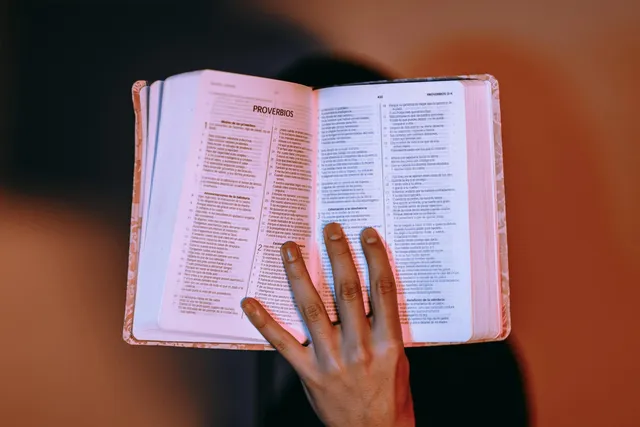
Faith and freedom-two words that have shaped civilizations, inspired revolutions, and molded the soul of countless believers throughout history. Yet these twin forces find their most profound meeting place in the pages of the Bible. From Genesis to Revelation, freedom is not merely a political or social ideal, but a divine invitation: a call to live as people liberated by God's love, truth, and purpose. The story of Scripture is, in essence, the story of God rescuing His creation from bondage-external and internal-and restoring humanity to the dignity of divine image-bearing. When we see how the Bible has formed not only individual hearts but entire cultures, we begin to understand that its influence reaches far beyond church walls. It is the beating heart behind the idea of human worth, justice, and freedom.
The Freedom Woven into Creation
In the opening act of creation, freedom takes center stage. God speaks the world into existence and gives humanity stewardship-not servitude-over it. Adam and Eve were placed in a garden overflowing with abundance and possibility. In His wisdom, God allowed them to choose obedience or rebellion, because love without freedom is not love at all. Freedom, from the beginning, was a sacred trust from the Creator.
This principle echoes through the centuries. The moral framework of Scripture-the Ten Commandments, the teachings of Jesus, the counsel of the prophets-exists not to confine but to liberate. "You will know the truth," Jesus said, "and the truth will set you free" (John 8:32). Biblical freedom is not the license to do whatever we please, but the power to live as we were meant to: in right relationship with God and others.
Chains Broken: The Bible and Human Dignity
One of the Bible's enduring cultural legacies is its insistence on the sanctity of every human life. In a world that often valued power, wealth, or social rank, Scripture declared something radical: that every person is made in the image of God. This revolutionary truth undergirded movements against slavery, tyranny, and human exploitation throughout history. Leaders like William Wilberforce, Frederick Douglass, and Sojourner Truth drew not from political expediency but from biblical conviction. They saw that freedom was not a human invention-it was divine inheritance.
Consider the Exodus-a narrative that has shaped both Jewish and Christian identity for millennia. God's deliverance of Israel from Egyptian bondage is more than an ancient story; it is a template for liberation. When Moses challenged Pharaoh with the command, "Let my people go," he voiced not only a demand for social justice but also a divine summons to worship and moral renewal. Freedom in Scripture always leads to responsibility and gratitude, not chaos.
The Freedom of the Cross
At the cross, the pattern of liberation reaches its climax. Christ's death and resurrection conquered the greatest tyranny of all-sin and death. Through His sacrifice, the enslaved heart is set free. The Apostle Paul wrote with passionate clarity: "It is for freedom that Christ has set us free" (Galatians 5:1). This freedom moves inward, transforming individuals, and then outward, transforming communities. It is both spiritual and social, personal and cultural. When believers live as citizens of heaven in the midst of earthly societies, the ripple effect is profound.
The Bible's Footprint on Culture
Every culture tells a story about what it means to be human. Many have looked to myths, philosophies, and ideologies for direction-but none have shaped the moral landscape as deeply as Scripture. Schools, hospitals, systems of law, and ideas of justice across the globe owe their roots to biblical soil. The Bible's moral vision has given birth to compassion movements, charitable institutions, and the very concept of human rights.
Western civilization, despite its flaws and failings, has been unmistakably molded by biblical values: the idea that life is sacred, that authority should serve the good of others, and that truth is objective, not a construct of power. Even language itself bears the mark. Phrases like "the salt of the earth," "a house divided," and "the powers that be" come directly from Scripture, echoing in literature, politics, and daily speech. The Bible is not merely a book-it is a cultural architect, a generational mentor.
Faith as an Engine of Renewal
Throughout history, when societies have grown weary, cynical, or fragmented, the voice of Scripture has called them back to life. The Great Awakenings in America, the Reformation in Europe, and countless revivals across continents all sprang from a renewed encounter with the Word of God. When people rediscover God's promises, they rediscover purpose. When they open their Bibles, they open the door to freedom once again.
Faith, when nourished by Scripture, births compassion and courage. It builds schools and shelters, advances literacy, and heals communities. Where the Bible is read, men and women learn that love of neighbor is not sentimental but sacred. The parable of the Good Samaritan, for instance, did more than teach kindness-it redefined who our neighbor is. Christian ethics, rooted in Scripture, have reshaped how cultures understand service, hospitality, forgiveness, and justice.
The Quiet Influence of Everyday Faith
Not every cultural transformation comes through grand movements or famous leaders. Often, it flows quietly through ordinary believers who simply live out their faith. A parent reading Scripture at bedtime, a business owner conducting affairs with honesty, a teacher embodying patience and grace-these small acts of obedience ripple outward. Culture changes when hearts change, and hearts change when they encounter God through His Word.
The Bible's Warning and Wisdom
While Scripture exalts freedom, it also warns against the illusion of autonomy apart from God. The stories of Israel's exiles, of Solomon's pride, of nations that forgot their Maker-these remind us that when freedom is divorced from faith, it becomes fragile. The Bible teaches that true liberty cannot live long without truth and righteousness. As Proverbs declares, "Righteousness exalts a nation, but sin is a reproach to any people" (Proverbs 14:34). Faith sustains freedom; freedom without faith soon dissolves into self-indulgence or oppression.
In the modern world, where beliefs about truth and morality often shift like sand, the Bible stands as a fixed point-a moral compass amid cultural storms. Its pages invite every generation to examine not only their institutions but their hearts. It challenges us to measure progress not by comfort or wealth, but by compassion, justice, and holiness.
Living the Legacy Today
In our time, faith and freedom still dance together-but not without tension. We live in an age that prizes personal liberty yet often resists divine authority. How, then, can believers embody biblical freedom authentically? By remembering that the freedom Christ offers is not the absence of boundaries but the presence of grace. It calls us not to withdraw from culture but to engage it with wisdom, humility, and love.
Each generation must rediscover what the psalmist confessed: "Your word is a lamp to my feet and a light to my path" (Psalms 119:105). Faithful engagement with Scripture fuels discernment and hope. It equips us to speak truth without arrogance, to serve without fear, and to live as signs of a kingdom not built by human hands.
Faithful Presence in a Restless World
To be shaped by the Bible today means to filter our values, decisions, and dreams through its lens. It means seeking first the kingdom of God, trusting that as we do, cultural renewal begins-one conversation, one act of mercy, one prayer at a time. We are not merely spectators of history; we are participants in God's redemptive story.
Faith and freedom walk hand in hand because both find their truest expression in Christ. He is the fulfiller of law and liberator of the soul, the Word made flesh who entered a culture of bondage to bring eternal liberty. As we follow Him, we become instruments of that same freedom in our communities and nations.
The Freedom to Love
When we reflect on how profoundly the Bible has shaped culture, we realize that it has always done so through transformed lives-ordinary people discovering extraordinary grace. The story continues today whenever believers choose forgiveness over vengeance, generosity over greed, truth over compromise, love over fear. This is the culture the Bible builds-one heart at a time.
True freedom, Scripture teaches, is not found in doing whatever we want, but in becoming who we were created to be. It is the freedom to love God with all our heart, soul, mind, and strength, and to love our neighbor as ourselves. That freedom restores, renews, and redirects the course of nations. As we allow the Bible to shape our hearts, it continues to shape our world-turning faith into a force of hope, and freedom into a living reflection of God's boundless grace.