In every generation, humanity faces a fresh wave of innovation-new tools that promise progress and comfort, yet stir questions of power, ethics, and faith. The ancient book of Revelation, with its swirling images of dragons, beasts, and heavenly cities, might seem distant from our digital world. But for a reader who sits before a glowing screen, the question is strikingly relevant: What, if anything, does Revelation say about technology and the future?
The Future Has Always Been a Revelation
Revelation is not a manual about gadgets or artificial intelligence. Yet it is, in every sense, a vision of the future-an unveiling (the literal meaning of the word "Revelation") of where history is heading. Its images reach beyond the first century and whisper to us about the hopes and fears of all ages, including our own.
John's vision on the island of Patmos was given to a man exiled by an empire that prided itself on progress. Rome built magnificent roads, developed engineering marvels, and created systems of communication and control that defined the civilized world. To a faithful Christian persecuted for refusing to worship Caesar, these advancements weren't just conveniences-they were signs of an empire whose pride rivaled heaven itself. Revelation spoke powerfully then, just as it does now, to the temptation of human innovation divorced from divine humility.
The Beast and the Allure of Power
Among Revelation's haunting images is the Beast-an embodiment of political, economic, and spiritual systems that set themselves up against God. "It was given authority over every tribe, people, language and nation" (Revelation 13:7). Many interpreters through history have seen this as a picture of oppressive regimes. But look closer, and the principle is universal: the beast shapes hearts by promising control, security, and self-exaltation.
Technology as a Mirror of the Heart
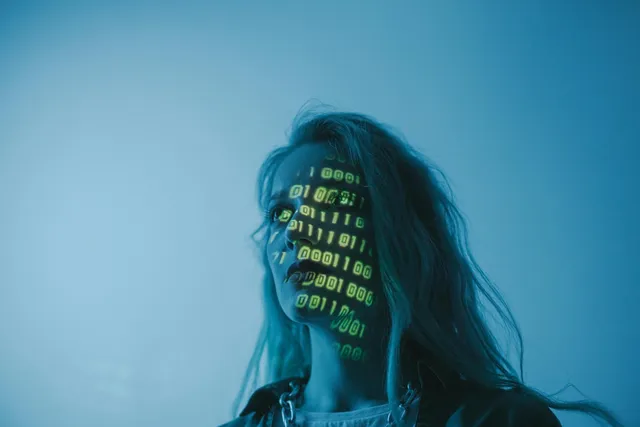
Today's digital landscape reflects the same temptation. Our devices offer omnipresence, instant knowledge, and new forms of influence-qualities that flirt suspiciously with the divine. The drive for global connectivity can quickly become a desire for global control. The algorithms that predict what we desire, the data that tracks where we go, the networks that shape opinion: all these can, in their own way, echo the beastly impulse-to make humanity its own god.
But Revelation never leaves such images hopeless. These powers, John sees, ultimately fall. The beast's mark can be resisted. The Lamb, humble yet victorious, reigns. In every epoch, technology can serve either purpose: to imitate the beast or to follow the Lamb. The question is never only about the tool-it is about the hand that wields it, and the heart that directs it.
The Image That Speaks
Revelation 13:15 describes a striking scene: an image that is given breath so that it speaks, demanding worship and allegiance. To first-century believers, this may have evoked talking idols or emperor worship ceremonies. But to modern readers, the image feels eerily contemporary. We live in an age of speaking images-screens animated by artificial voices, digital icons commanding attention, avatars representing human and machine blended together.
We must be careful not to draw simplistic connections, but the resonance is undeniable. When human imagination grants life to its own creations, demanding devotion or shaping identity, Revelation's warnings ring in our ears. Technology can animate images that hold our gaze longer than Scripture, shape our thoughts more than prayer, and whisper authority over our time. The ancient temptation to bow before what our own hands have made has simply become more sophisticated.
The Heavenly City and the Redeemed Imagination
Yet Revelation is not only a book of warnings. Its final chapters unveil one of the most beautiful and hopeful visions in all Scripture: the Holy City, the New Jerusalem, descending from God. There is light, crystal, and craftsmanship-images of creativity redeemed. The city glows with the radiance of God's glory, a cosmic symbol of order, beauty, and community. "The nations will walk by its light," John writes, "and the kings of the earth will bring their splendor into it" (Revelation 21:24).
This picture reminds us that God is not against creation or innovation. The redeemed world is not empty wilderness; it is a city-rich with design and cooperative ingenuity. The problem is never progress itself, but progress cut off from worship and love. In the New Jerusalem, technology finds its rightful place: not as a rival to God, but as an offering of thought, craft, and wonder built in humility under His lordship.
What Might Transformed Technology Look Like?
Perhaps in eternity, the tools of creativity-language, art, science-will be more radiant than ever. Every invention may become a hymn. Human ingenuity will still flourish, yet without envy or exploitation. The impulse to build, to imagine, will finally be free from fear. Revelation's city suggests that redeemed humanity is still inventive, still collaborative, but rewired with love. Heaven does not erase our culture-making capacity-it sanctifies it.
Endurance in a Digital Babylon
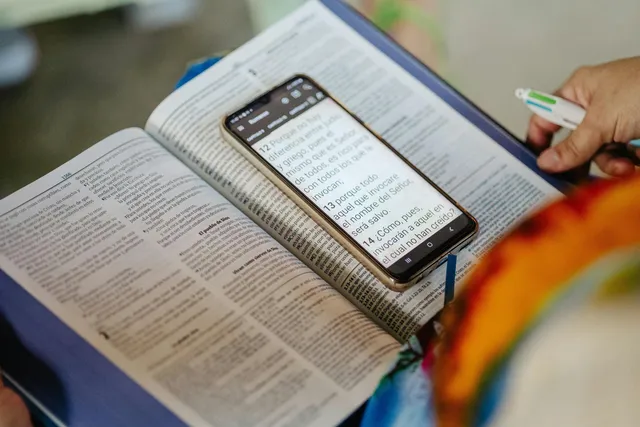
Between the trials of the beasts and the beauty of the city, Revelation calls God's people to endurance. "Here is the patience of the saints," the angel declares, "those who keep the commandments of God and the faith of Jesus" (Revelation 14:12). For modern believers, endurance looks like discernment: staying awake amidst distraction, aligning our tools with our testimony, and refusing to let technology replace intimacy with the living God.
The digital world is not inherently Babylon, but it brims with Babylons-systems that seduce our senses and promise identity apart from God. In Revelation 18, Babylon is described as a city obsessed with luxury, commerce, and spectacle. "She glorified herself and lived in luxury," the text laments. How familiar that sounds in the glow of consumer technology that thrives on constant attention and comparison. Yet even in that world, the voice of heaven calls out: "Come out of her, my people." The invitation is not to abandon our age, but to live within it as witnesses-unentangled, awake, transformed.
Seeing Through the Screen
Revelation trains our eyes to see beneath appearances. Every emperor's monument, every innovation, every spectacle that dazzles the crowd is shown for what it is when heaven's throne is revealed. The true center of reality is not in our servers or satellites, but in the worship around God's throne. John looks and sees "a Lamb standing as though it had been slain" (Revelation 5:6). That image grounds the entire book-and our entire hope.
The Lamb's victory is not technological but sacrificial. His triumph does not come from building towers of efficiency but from laying down power in love. And that is the great inversion Revelation offers to a restless, innovative world: the future belongs to humility, not to dominance. Every line of code, every technological leap, every shimmering progress that does not bend toward the Lamb's way of love will fade. But every act of faithfulness, kindness, and creativity rooted in Him endures forever.
The Invitation to Create Wisely
When we read Revelation rightly, it doesn't make us fear technology-it makes us revere the Creator. It reminds us that every invention carries moral weight. The apps we design, the tools we use, the systems we trust-they all reveal what we worship. Technology is never neutral; it either amplifies the image of God or the image of self. To live faithfully in this era is to use our screens, devices, and networks as instruments of grace, not idolatry.
Imagine technologists praying before they code, designers asking how their work might serve the poor, users pausing before posting, seeking the Spirit's guidance. These small acts of discernment become the beginnings of a new city-one built not on pride and profit, but on presence and love. Revelation calls this wisdom: a clear-eyed recognition of what truly endures.
Looking Toward the True Future
Ironically, our technologies-so obsessed with predicting the future-are powerless to see the one thing Revelation reveals with certainty: God wins. His kingdom comes. The final scene of Scripture is not humanity mastering the universe through innovation, but God dwelling with His people. The future is personal, relational, radiant with divine proximity. "He will wipe away every tear from their eyes." That intimacy outshines every invention we could ever craft.
So as we code, build, scroll, share, and dream, Revelation invites us to lift our eyes higher. The screens before us are not the last light we will see. There is a greater brightness coming-the glory of God illuminating a redeemed world where no one needs to recharge, where wisdom and worship are our true operating systems. Until then, may we live as children of that coming world, using every tool before us to reflect the Lamb's peace, His justice, and His unstoppable love.
The Digital Disciples of Hope
The future does not belong to technology; it belongs to Christ. Revelation's message to the twenty-first century is not to destroy our tools, but to redeem our purpose. Whether we wield a hammer or an algorithm, we do so as disciples of the Lamb who conquers by love. Let every device become a reminder that light, truth, and grace still travel faster than data.
As we walk through these luminous days of innovation, may we hold Revelation's vision close: a world redeemed, a city eternal, and a Savior worthy of every creative impulse we possess. The future is not something to fear or to program, but to hope for-because it is already secure in the hands of the One who says, "Behold, I am making all things new."