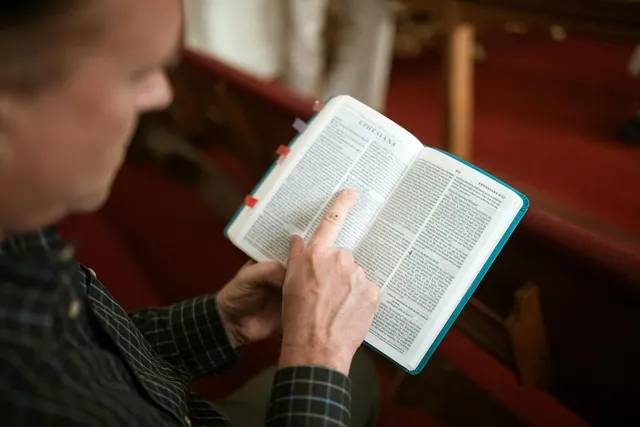
The book of Ephesians is one of Paul's most exalted letters: rich in theology, majestic in language, and deeply practical in its call to live out the gospel. But as he nears the end of the letter, Paul takes a sudden turn to a battlefield image-the famous Armor of God in Ephesians 6:10-20. It's not a quaint metaphor or poetic flourish; it is a summons, full of urgency and encouragement. Paul looks at the Christian life not as a quiet stroll through gardens of faith, but as a struggle in a spiritual war that rages in unseen realms.
Strength for the Battle
Before listing the pieces of armor, Paul begins with the foundation: "Finally, be strong in the Lord and in the power of His might." That word finally signals culmination-it's as though everything he has said up to this point leads to this moment. We cannot live out the gospel's unity, holiness, love, and obedience unless we're ready for resistance. Strength here isn't about personality, talent, or resolve. It's borrowed strength, drawn from the living Christ who conquered death itself. The armor, then, is not merely defensive gear; it's participation in the victory Christ has already won.
The Real Enemy
Paul does not want believers to misunderstand who-or what-they are up against. "Our struggle is not against flesh and blood," he writes, "but against rulers, authorities, and powers of this dark world." That's not a call to paranoia, but to discernment. Spiritual warfare isn't fought on social media or over dinner-table disagreements; it's waged in the heart, in prayer, in perseverance, in faithfulness when temptation whispers. The enemy works subtly-through distraction, disunity, pride, or fear-but the believer's calling is to stand firm.
The Belt of Truth
The Roman soldier's belt held everything together-his tunic, his sword, his small weapons. Likewise, truth is what holds the life of faith intact. Without truth, everything else slips. This "truth" is not just doctrinal correctness; it's a life anchored in honesty, integrity, and reality before God. In a culture that celebrates self-made "realities," Paul calls the believer back to a truth that is both eternal and personal: the truth revealed in Christ. We don't wear it as an accessory; we fasten it tightly, so that in moments of moral fog, we can stand upright, clear-eyed, and steady.
The Breastplate of Righteousness
The breastplate covered the heart-the core of a soldier's being. For the believer, righteousness functions as that vital protection. But what kind of righteousness? Paul isn't urging self-righteous boasting; he's pointing to the gift of Christ's righteousness that guards us from condemnation and shame. When we fail-and we do-this breastplate reminds us that the verdict over our life has already been declared: forgiven, accepted, beloved. We live out righteousness, not to earn salvation, but in response to the salvation that already covers us.
Feet Fitted with the Readiness of the Gospel of Peace
Roman soldiers wore sandals with small spikes for traction-essential for standing firm in battle. Paul transforms that image into one of peace, not combativeness. The gospel of peace gives believers stability and readiness. Peace, in Scripture, is not the absence of struggle but the assurance of God's presence within it. To wear the gospel on our feet means to walk into the world as peacemakers, not avoiders. It's readiness to move where God leads-sometimes into difficult conversations, sometimes into reconciliation, always into love.
Living with Gospel Readiness
It's striking that Paul links peace with mobility. Faith is not meant to stand still. To walk with the gospel on your feet is to see every encounter as an opportunity for grace. Every workplace, classroom, neighborhood, or family table becomes holy ground where we carry the aroma of Christ's peace. In this sense, the armor is not only for defense-it's also for mission.
The Shield of Faith
In ancient battles, a soldier's shield was large enough to protect his entire body. Coated in leather and soaked in water, it could extinguish flaming arrows shot by the enemy. Faith functions similarly in the believer's life. Doubts, accusations, fears-the flaming arrows of the evil one-come relentlessly. But faith catches fire only when we lay it aside. To raise the shield is to actively trust God's promises when circumstances scream otherwise.
Faith is not a vague optimism. It's choosing-again and again-to believe that God is who He says He is. Sometimes that faith feels small, trembling, or uncertain, but even a trembling hand can hold the shield. The strength lies not in the quality of our faith, but in the faithfulness of the One we trust.
The Helmet of Salvation
The mind is often the fiercest battleground. Thoughts of guilt, doubt, and despair can map their way into every corner of our consciousness. The helmet of salvation protects that sacred space. It reminds us that we are already saved, already secure. Paul offers this image to believers who needed assurance that their identity wasn't up for negotiation every time they stumbled. Salvation steadies our perspective. It reframes the narrative of our lives-not as a series of defeats and regrets, but as a story of God's relentless grace.
Guarding the Mind
The modern believer faces a flood of voices, opinions, and distractions. The mind, unguarded, becomes a revolving door for anxiety or comparison. The helmet of salvation doesn't block out the world; it filters it through redemption. When we remember who we are-beloved children of God-we interpret life differently. Suffering becomes training, not punishment. Waiting becomes trust, not despair. The helmet crowns us not with ego, but with peace of mind that flows from divine assurance.
The Sword of the Spirit
This is the only offensive weapon in Paul's list-the Word of God. But notice: it's the "sword of the Spirit," not the sword of self-assertion. The Spirit wields it through us when Scripture lives in our hearts, not just on our shelves. To know the Word is to be trained in truth; to obey it is to be empowered by it. Jesus Himself modeled this in the wilderness, answering each temptation with the written Word-not as a slogan, but as living truth.
Many treat Scripture like an accessory to Christian life, but Paul saw it as essential survival gear. Without the Word, believers are unarmed, left to face deception with opinions and willpower. When the Spirit sharpens Scripture within us, every verse becomes a shield, a guide, a light cutting through confusion.
Prayer: The Atmosphere of Warfare
After describing the armor, Paul adds an often-overlooked command: "Pray in the Spirit on all occasions." Prayer isn't listed as a piece of armor because it is the air in which the armor functions. Without prayer, the armor is decoration; with prayer, it becomes life. Prayer aligns us with God's purposes, exposes the enemy's lies, and strengthens weary hearts.
Paul's words carry empathy. He knew the cost of discipleship-the loneliness of imprisonment, the resistance of culture, the pain of betrayal. Yet his letters breathe hope because they are saturated with prayer. Prayer is not retreat but engagement. It is the ongoing conversation in which the soul learns courage and endurance. To pray without ceasing is to live in constant awareness that we fight not alone.
Standing Firm in Today's World
Ephesians 6 isn't a call to aggression but to steadfastness. "Stand" is the verb that dominates the passage. In a culture that urges us to chase every trend or argument, standing firm can feel countercultural. Yet it is in standing-rooted in truth, protected by righteousness, guided by peace, shielded by faith, assured by salvation, armed with Scripture, and surrounded by prayer-that we find real freedom.
Spiritual warfare today doesn't always look like dramatic confrontations. It often looks like choosing forgiveness when bitterness is easier, integrity when compromise beckons, gratitude when cynicism tempts. Every small act of faithfulness, unseen by the world, is another victory in a much larger story.
Living Dressed in Grace
To put on the armor of God is not a one-time ritual but a daily rhythm. Each morning, we're invited to "suit up" not with fear, but with confidence in Christ's finished work. The armor reminds us of what's already ours. We don't fight for victory; we fight from victory. Christ's triumph is the assurance that no weapon formed against us will ultimately stand.
Wearing the armor of God means living covered in grace-alert, humble, courageous, and unafraid. It means knowing that though the battle rages, our outcome is secure. The final word belongs to the Lamb who was slain and now reigns forever. So, we stand-not in our own strength, but in His, not as anxious soldiers, but as confident sons and daughters of a conquering King.
The Quiet Strength of the Armed Soul
Paul's vision of the Christian life is not frantic or fearful-it's resolute. The fully armed believer is not angry or defensive, but anchored. The armor of God is less about posturing for combat and more about remaining faithful when the shadows lengthen. When we learn to wear it daily, faith ceases to be an event and becomes a way of being-steady, prayerful, bright with hope.
So, when you wake tomorrow, before the rush of headlines and pressure, pause to fasten the belt of truth. Set your heart beneath the breastplate of righteousness. Lace up the gospel of peace. Lift the shield of faith. Set the helmet of salvation firmly in place. Grasp the Sword of the Spirit. And then go-praying in the Spirit. Stand strong, dear one. The victory is already yours.