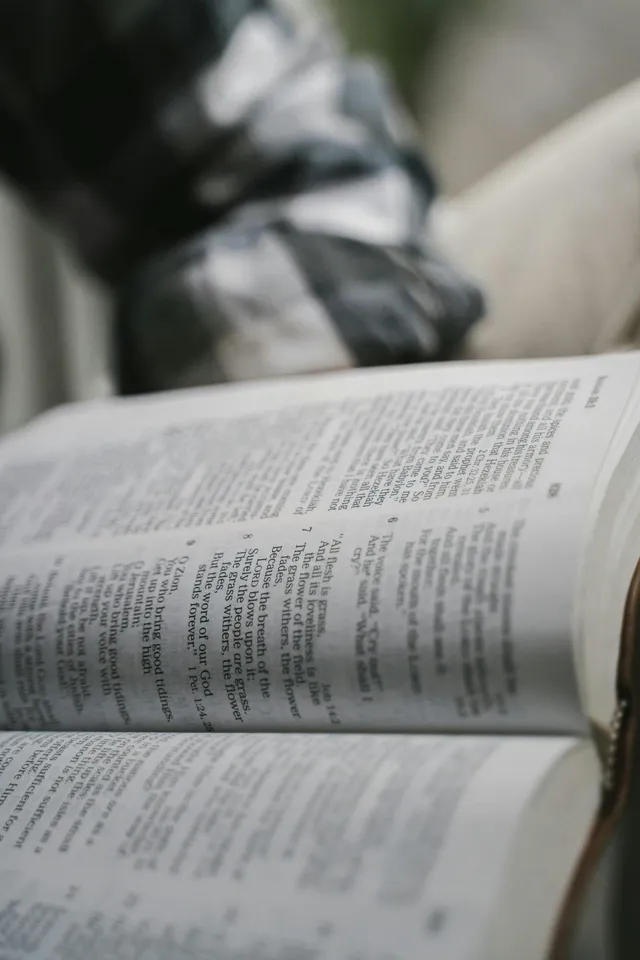
The Quiet Power of Remembered Grace
At the heart of every believer's story lies a thread of divine encounter-those moments when God's presence breaks through the ordinary. We call them testimonies, and they are more than personal anecdotes of faith; they are living proof of God's ongoing work in human lives. Every Christian who has walked through darkness and found light, who has waited in silence and heard a whisper of hope, carries within them a sacred story worth remembering and sharing.
Testimonies are not museum exhibits, frozen in time. They breathe, they remind, they strengthen. In a world that celebrates newness and speed, believers keep testimonies not to cling to the past but to anchor themselves in the faithfulness of God. These stories are like stones piled along the riverbank-simple, ordinary, and yet monuments of miracles. Long after the moment has passed, they still speak.
Scripture's Pattern of Remembrance
The act of remembering what God has done runs deep in the veins of biblical faith. When Joshua led Israel across the Jordan River, God instructed the people to collect twelve stones from the riverbed as a memorial. "When your children ask in time to come, 'What do these stones mean to you?'" Joshua told them, "then you shall tell them that the waters of the Jordan were cut off before the ark of the covenant of the Lord" (Joshua 4:6-7). It was a story set in stone-literally-a testimony passed from generation to generation.
Faith flourishes in remembrance. The Psalms are filled with it: "I will remember the deeds of the Lord; yes, I will remember your miracles of long ago" (Psalms 77:11). The prophets, too, often recalled the Exodus, the covenant, the mercy shown to Abraham and David, as proof that the same God who was faithful then remains faithful now. This pattern of remembrance is more than nostalgia; it is a spiritual discipline of gratitude and orientation. Every testimony retold becomes a declaration: God still acts. God still saves.
The Rhythm of Renewal
When believers rehearse what God has done, they renew their confidence for what lies ahead. Remembering past deliverance creates courage for future challenges. Paul, reflecting on his sufferings and God's sustaining grace, told the Corinthians, "On him we have set our hope that he will continue to deliver us" (2 Corinthians 1:10). His past rescue became the foundation of his future trust. Testimonies are not mere recollections-they are seeds of endurance for tomorrow's faith.
Testimony as Witness
To testify is to bear witness, to point beyond oneself to the work of another. In Christian life, it is to point to Christ. Jesus told His followers, "You will be my witnesses" (Acts 1:8), not merely through preaching and miracles, but through lives marked by transformation. Each believer's story forms part of a larger mosaic, revealing different facets of God's mercy. One story may be about healing, another about forgiveness, another about perseverance in silence. Together they form a collective echo of grace.
When someone shares how God met them in their grief or turned their fear into peace, it gives shape to invisible faith. A testimony translates theology into human experience. It invites others to see what faith looks like with skin on it-to see that mercy can be felt, hope can be heard, redemption can be lived. Words alone can instruct; stories can ignite.
The Courage to Speak
Sharing testimonies is not without cost. It requires vulnerability-to admit need, failure, or doubt before others. Yet it is precisely this honesty that gives power to the story. The apostle Paul did not hide his thorns or his tears; he wrote of them so that the strength of Christ would shine through his weakness. In a culture that prizes perfection, authentic witness reminds us that our brokenness can become the stage for God's beauty.
Testimonies disarm pride. They shift focus from the believer to the Savior. They proclaim, "See what God has done," rather than "See what I have achieved." When spoken humbly, they draw others not toward the storyteller but toward the Story itself.
Healing Through Remembered Stories
Sometimes we tell stories not for others, but to heal our own souls. Memory is a spiritual medicine. When the psalmist cried out under deep distress, he anchored himself by recalling the faithfulness of God: "My soul is downcast within me; therefore I will remember you" (Psalms 42:6). By remembrance, despair found hope again. A testimony, then, becomes both an offering and a balm-naming what God has done, even in the confusing middle of pain.
Many believers keep journals for this reason. They record prayers answered, moments of conviction, unexpected comforts, or simply the quiet assurance that they were not alone. Over time, these written testimonies form a personal Gospel, a record of God's fingerprints scattered throughout an ordinary life. When doubt later whispers, those pages respond: "He has been faithful, and He will be again."
Community and the Weaving of Testimonies
The church is not built merely on shared belief but on shared stories. Every congregation is, in a sense, a collection of testimonies woven together into one body. When believers gather to worship, they do not simply recite doctrines-they remember. The hymns, the prayers, the reading of Scripture, the celebration of Communion-all are acts of communal testimony. They recall a Savior who lived, died, and rose again, and in doing so, they proclaim: "Christ has died, Christ is risen, Christ will come again."
In small groups, Bible studies, and conversations over coffee, believers bear witness to the living God through simple sharing: "This week, God reminded me of His peace," or "I've seen His provision again." These exchanges might seem small, but they knit faith together across lives. When one person's faith is fragile, another's testimony becomes a candle burning nearby. This is the mystery of fellowship-that light multiplies when shared.
Passing Stories Down
Family testifying-parents to children, grandparents to grandchildren-anchors generations. Just as Israel told its children the story of deliverance from Egypt, so Christian families tell stories of salvation, of answered prayer, of steadfast faith in hardship. These are spiritual inheritances richer than any material gift. A child who hears that God provided rent money for their parents or healed their grandmother learns, before they can interpret theology, that God is real and cares deeply. Faith becomes contagious through stories.
When Testimonies Fade
It's possible to forget. Life rushes on; yesterday's miracle is buried beneath today's deadlines. Many believers confess that they once felt God's nearness but can no longer recall those moments clearly. The embers of testimony grow dim-not because God has ceased to act, but because we have ceased to remember.
That is why Scripture so often commands us to remember. Forgetfulness leads to fear, anxiety, and self-reliance. But when we bring to mind how God has carried us before, we regain perspective and peace. Keeping testimonies-whether in journals, conversations, or simple mental recollection-is not about sentimentality; it is spiritual resistance against the eroding tide of doubt.
Reviving the Practice
Try writing down one way you've seen God's faithfulness this week. Speak it aloud to a friend. Pray over it. Each small act of remembrance reclaims territory from despair. Over time, the simple practice of keeping testimony becomes a rhythm of worship. It shapes the heart to expect God's goodness, even when unseen.
Testimony as Evangel
Beyond strengthening personal faith, testimony carries outward momentum. The early church grew not through polished speeches alone but through the shared witness of transformed lives. The healed man in John 9 didn't possess theological training; he simply said, "One thing I know: I was blind, but now I see." His testimony was enough to confound scholars and draw attention to Christ. In the same way, modern believers carry stories that can touch hearts unreachable by sermons alone.
Your story might be the mirror someone else needs to recognize the possibility of God's love for them. A testimony breaks through intellectual barriers because it speaks the language of experience. It declares not, "You should believe this," but "I have seen this." And stories told in humility often do what arguments cannot-they invite encounter.
Keeping the Flame Alive
So why do believers keep testimonies of faith? Because they are torches lit by the hand of God. They light the path when the night grows cold; they rekindle hope when circumstances seem unmovable. They lift eyes from the storm to the Savior. To keep a testimony is to protect a flame that may one day guide another pilgrim home.
Every believer, no matter how ordinary their story may seem, carries a spark of divine narrative. You do not need dramatic miracles to testify. The quiet endurance of faith in difficulty, the hidden mercy that sustains daily life-these are testimonies no less powerful. God's glory often shines brightest through the uncelebrated moments.
Living in Testimony Day by Day
Imagine if believers approached each day expecting to collect new stories of God's faithfulness-not as grand achievements but as daily encounters. You wake and thank God for breath. You notice strength to forgive. You recognize comfort in prayer. These small recognitions are testimonies in miniature, and together they form a life of gratitude.
The more we cultivate awareness of God's presence, the more natural it becomes to recount His goodness. Testimony then ceases to be an occasional exercise and becomes a lifestyle-a rhythm of remembrance and praise. In keeping our testimonies, we not only preserve the memory of God's works but also train our hearts to watch for what He will do next.
The Sacred Echo
Every testimony is an echo of grace sounding through human history. To keep it, to speak it, to write it down, is to join a great chorus of witnesses that stretches from Abraham to today. Your story, however humble, belongs to that chorus. And when it is remembered faithfully, it glorifies the same God who turned deserts into deliverance, who raised His Son from the grave, who still whispers life into weary souls.
So gather the stones of remembrance. Write the words of grace. Tell your story often-not for your glory, but for His. For in every retold testimony, heaven's faithfulness resounds afresh in the hearts of those who hear. And as long as believers keep their testimonies, the story of God's redeeming love will never fade from the earth.