The Uneasy Rhythm of Our Newsfeeds
Every morning, our screens glow with headlines that make our hearts sink. Wars that devastate communities, scandals that fracture trust, disasters that sweep across lands-and then, nestled between them, commentary reminding us that it's all somehow getting worse. It's no wonder our souls carry a subtle ache, even on quiet days. We scroll not merely through information, but through evidence of a world deeply in need of healing. And yet, somewhere within us, a voice whispers: *It wasn't meant to be this way.* That whisper is not denial-it's the echo of eternity, reminding us that brokenness is not our final story. Finding hope in a world full of bad news is not about ignoring reality; it's about remembering whose reality we belong to.When the Darkness Seems to Win
There are days when it feels as though evil has the upper hand. The Psalmist knew that feeling well. In Psalms 73, Asaph confesses his frustration at the prosperity of the wicked and his envy of those who seem to escape suffering. His honesty is breathtaking: *"My feet had almost slipped"* (Psalms 73:2). We get that. We've stood on that same ledge of despair. But notice where Asaph finds his turning point: "until I entered the sanctuary of God." It was in God's presence-not on social media, not in statistics-that clarity returned. Hope, for Asaph, came when he stopped staring at the chaos and started gazing at the Creator.The Power of Reorientation
Every generation faces its own flood of bad news, but the principle remains the same: hope requires reorientation. When we fill our minds with the unfiltered noise of the world, we lose our internal compass. But when we set our hearts back on the promises of God, our vision clears. Romans 12:2 reminds us, *"Do not be conformed to this world, but be transformed by the renewal of your mind."* Hope is not found in pretending things are fine; it's born in remembering that God still reigns when nothing else seems right.Small Lights in Great Darkness
There's a reason Jesus described His followers as *"the light of the world"* (Matthew 5:14). Light is only meaningful where darkness exists. The darker the world appears, the more vital it is that we shine. Hope is not only something we find-it's something we carry into the places starved for it. Christian hope is distinctly active. It doesn't wait for better headlines; it becomes the good news wherever it lands. When a nurse prays quietly before another long shift, when a teacher chooses patience with a struggling student, when a weary parent keeps loving a prodigal child-those acts of faith are *sermons in motion.* They preach that love hasn't given up, that goodness still moves, that the grave is not the end of the story.Ordinary Saints, Extraordinary Hope
Consider the early church. They lived under oppressive governments, often in hiding, surrounded by persecution-and yet their hope shook empires. The reason? Their hope wasn't tethered to circumstance; it was anchored in Christ's resurrection. If Jesus has risen from the dead, then despair has an expiration date. We, too, live in a season of waiting and witnessing. But every act of kindness, every prayer whispered in faith, every word spoken in truth participates in the quiet revolution of resurrection life.The News We Don't Hear Often Enough
In all the noise of our age, there's another story unfolding, quieter but no less real. It's the story of God's faithfulness in human hearts. It rarely trends or makes a splash online, but it's the story that heaven celebrates every day. Somewhere, a person forgives what felt unforgivable. Somewhere, someone finds sobriety through grace. A group of believers in a refugee camp still sings praise beneath open skies. These are headlines you won't find scrolling, but they are every bit as true as the world's wars and wounds. The gospel is still transforming lives, even in the valleys.Choosing What to Feed Your Soul
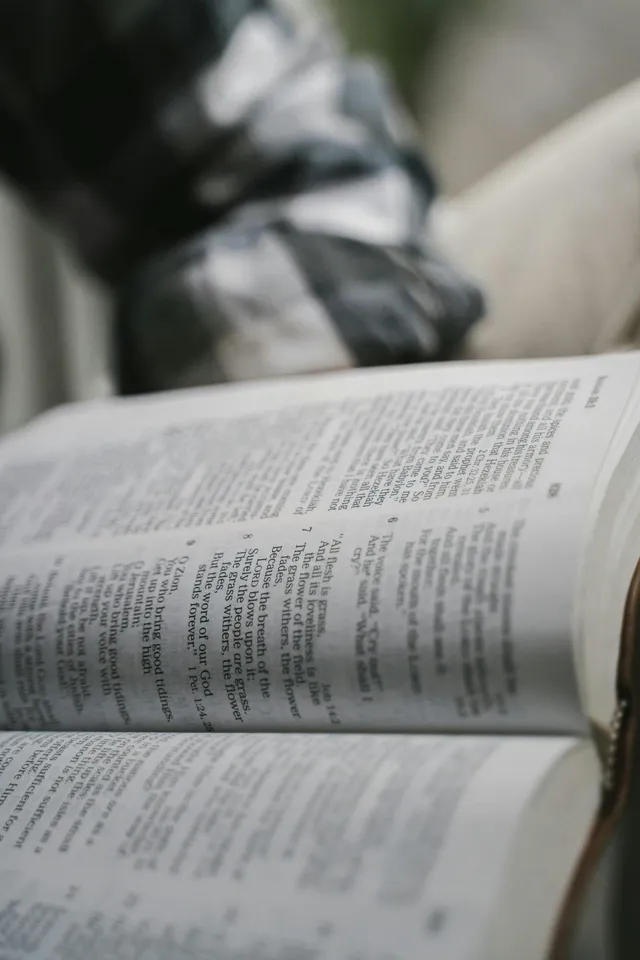
Our challenge is to curate not just our newsfeeds but our spiritual intake. Philippians 4:8 says, *"Whatever is true, whatever is noble, whatever is right, whatever is pure, whatever is lovely, whatever is admirable-if anything is excellent or praiseworthy-think about such things."* This doesn't mean we ignore pain or close our eyes to injustice. It means we choose not to let despair define us. When we practice gratitude, when we celebrate stories of redemption, and when we reflect on God's unchanging nature, we train our hearts for hope. Hope grows in the soil of intentional focus.Hope Has a Name
Ultimately, hope is not an emotion or a vague optimism-it's a person. Hope has a name: Jesus Christ. The gospel is not merely advice for coping with bad news; it is the announcement that *good news has already come.* Jesus stepped into a broken world, faced the worst it could offer, and rose victorious. This is the cornerstone of Christian confidence: evil has an expiration date because resurrection rewrites reality. When Jesus walked with the disciples on the road to Emmaus after His resurrection, they were overwhelmed by grief. They explained the horrors of the crucifixion, unaware that the very One they mourned was walking beside them. We often find ourselves in that same posture-lamenting what we've lost, not realizing that the risen Christ is quietly journeying with us.Hope That Walks Beside You
This scene in Luke 24 is a perfect picture of divine companionship. The disciples' hearts "burned within them" as Jesus opened the Scriptures, revealing truth through their tears. That's what hope does-it doesn't always erase pain, but it infuses it with purpose. It whispers that God is nearer than you imagine and working in ways you cannot yet see.Learning to Live as People of Resurrection
If our faith rests in the resurrection, then our posture toward the world must reflect it. Christians are not called to a shallow optimism but to a resilient hope that faces reality and proclaims redemption anyway. The cross reminds us that evil can wound deeply, but the empty tomb reminds us it cannot win eternally. How might that look in daily life? It could mean you continue to pray for your city when the news shows only division. It could mean you volunteer in a difficult context, knowing that faithfulness matters more than visible results. It could simply mean you resist cynicism by telling others that beauty still exists because God still breathes life into His creation. Every time you live bravely in this way, you testify that Christ's victory wasn't symbolic-it changes everything.The Practice of Hope
Hope isn't something we stumble upon once and keep forever-it's a practice, a rhythm learned and relearned. Some days it comes easy; others, it must be fought for. But each time we turn our gaze toward Christ instead of chaos, our spiritual eyesight strengthens. Here are a few gentle practices to nurture that hope:- Scripture before screen. Begin your day grounded in God's word before absorbing the world's noise.
- Pray through the news. Each troubling story becomes an invitation to intercede, turning helplessness into spiritual action.
- Stay connected. Community is essential. We remind one another of truths we forget alone.
- Celebrate small resurrections. Notice where hope flickers-in answered prayers, in reconciliation, in beauty observed on a weary day.