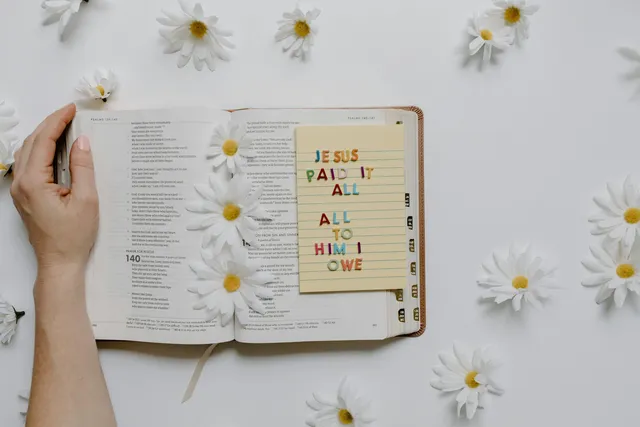
The Gentle Power of a Blessing
There is something profoundly moving about receiving words spoken from the heart-especially when they arrive without fanfare, but with real care behind them. Blessings are one of humanity's oldest ways of saying: *I see you. I want good things for you. I believe your journey matters.* We give them at birthdays, weddings, graduations, or difficult crossroads. Yet perhaps their truest power appears when offered spontaneously-a quiet wish whispered across a room, or a message sent when someone is struggling. In an age filled with quick responses and half-hearted emojis, taking the time to voice a heartfelt blessing becomes a gift of presence.
A blessing can hold light for someone else when they can't find their own. Its value lies not in perfect words, but in the intention beneath them. Whether you lean on prayer, poetry, or simply honest human hope, blessings remind us that love travels across distances. Sometimes just saying *may you feel peace tonight* can ease a restless mind and strengthen a friendship in ways we'll never fully grasp.
May you walk through this week surrounded by quiet courage and gentle strength, knowing that even small steps forward still lead you in the right direction.
The Language of Kind Wishes
Blessings are less about formality than sincerity. They grow from empathy-the kind that notices when someone is tired, uncertain, or quietly proud of how far they've come. Imagine an old friend facing a move to a new city, both excited and afraid. What you say can bridge that fear with comfort, turning anxiety into anticipation. Words that bless say: *You are not alone in this.*
When offering a blessing, don't rush to "fix" anything. Instead, speak with trust that goodness already exists around the person. Sometimes we bless not because everything is okay, but because we believe light will return eventually. Kindness that expects redemption carries healing power, even in silence.
May you find friendly faces wherever you go, and may each unfamiliar street lead you-step by step-toward belonging.
May the lessons of your past become bridges rather than walls, guiding you with wisdom and grace through the changes ahead.
Protection and Peace Amid Uncertainty
There are times when the world feels raw and unpredictable. We crave safety then-not only for ourselves, but for the people we love. To bless someone with protection is to wrap them, symbolically, in care that acknowledges life's fragility yet insists on resilience. The best protective blessings don't deny danger; they kindle peace within it. Mother to child, friend to traveler, partner to partner-the intention is timeless.
Protection blessings are particularly meaningful during transitions: when someone begins a long journey, starts a new job, or sends a child to college. They act as small prayers carried like invisible amulets. You might imagine light surrounding the person, or steady ground beneath their feet. Protection is as much about inner calm as it is about outer safety.
May you move through this day guarded by kindness, sheltered by patience, and strengthened by the knowledge that goodness still holds this world together.
May no shadow linger that love cannot dispel, and may peace return again and again to your heart like a familiar Song of Songs.
When Courage Is Needed Most
Everyone reaches moments when courage feels spent-when the next step is unclear, and fear whispers louder than faith. A blessing for courage doesn't erase fear; it reminds someone that fear and bravery can coexist. Courage is not the absence of trembling hands, but the decision to keep moving anyway. When you bless someone with courage, you help them see their own strength reflected through your trust in them.
Encouraging blessings often begin quietly. They might be said before an important conversation, during illness, or after loss. For instance, a friend standing before risky change-a career shift, recovery from surgery, or finally saying what must be said-deserves words that plant roots beneath uncertainty.
May courage rise in you like dawn light through fog, soft but unstoppable, reminding you that each breath carries strength enough for one more step.
May your fears shrink in the presence of purpose, and may bravery greet you not as a stranger but as the long-awaited friend you already are.
Wisdom for Life's Turning Points
Sometimes, what a person truly needs is not strength alone, but wisdom-clarity that shapes the next choice, calm that listens beneath chaos. Wisdom blessings are best offered during crossroads: when someone faces moral complexity, starting again, or wrestling with doubt. They're less about giving advice and more about helping others trust their own insight.
Wisdom grows quietly, like roots in good soil. When you offer such blessings, imagine them planting possibilities: patience in confusion, discernment amid noise, humility where pride might lead astray. Unlike quick comfort, wisdom blessings linger, echoing later when the person makes a choice alone.
May your thoughts settle until truth becomes clear, like river water finding stillness enough to reflect the sky.
May you remember that wisdom rarely shouts-it often comes in whispers, in pauses between what once was and what is yet to be.
Joy, the Underrated Blessing
Joy doesn't always require big celebrations. Sometimes it's the sunlight spilling across breakfast, the shared laughter in a serious meeting, the relief when a doctor brings good news. When we bless others with joy, we invite them to notice abundance that's already near. True joy acknowledges the weight of existence, yet still chooses gratitude. To wish someone joy is to affirm that delight isn't naïve; it's courageous.
Send joy blessings at random moments. Drop them into conversation not just for birthdays or triumphs, but during ordinary days that blur together. Doing so awakens appreciation for life as it is-untidy, fleeting, real.
May this day surprise you with laughter you didn't expect, and may simple pleasures find you wherever work or worry once stood.
May every small joy you touch ripple outward, reminding the world that happiness shared multiplies quietly and forever.
Health and Wholeness of Being
Health is not merely an absence of illness-it's the harmony that connects body, mind, and spirit. Offering a blessing for health honors the person's full humanity. You're not only wishing for recovery or protection from sickness, but for renewal that includes rest, nourishment, and acceptance. When health feels fragile, hearing someone speak hope over your well-being can be profoundly comforting.
Say such blessings for those healing from heartbreak, those too busy to breathe, or those regaining strength after loss. Health includes emotional and spiritual well-being too; acknowledging that broadens compassion.
May your body remember its own rhythm and your heart rediscover its steady Song of Songs. May rest come easily and healing take root in every hidden place.
May vitality return like spring after long winter, teaching you patience, gratitude, and the deep sweetness of being alive.
Peace and Stillness in a Restless Age
Peace has become a rare treasure in modern life. Constant notifications, anxious headlines, and overfilled calendars leave little room for quiet. A peace blessing, sincerely given, acknowledges this condition and offers sanctuary through words. It doesn't deny loss or unrest; it promises the steadiness that can exist within them. Blessings for peace often soothe because they invite the listener inward, toward the calm center where patience and acceptance live.
May peace settle over you like dusk over a tired town-unhurried, gentle, bringing a hush that softens even the day's rough edges.
When shared in a community or family setting, peace blessings can diffuse tension. Before a meal, or after conflict, they open space for forgiveness. Imagine ending a difficult day with these words:
May the storms within you sleep tonight, and may your dreams remember how deeply you are already loved.
Faith and Purpose as Steady Companions
For some, faith defines the language of every blessing. For others, it's quieter-manifested as trust in life's unfolding. Blessings tied to faith and purpose remind people that they are part of something larger, that meaning exists beyond the immediate. When friends lose direction, your words can help them re-anchor. In them, you recognize both their struggle and their potential to rise again with intention.
Purpose blessings bridge encouragement and devotion. They might come from mentors blessing a student, or from loved ones urging perseverance through uncertainty. Faith, after all, is not limited to religious context-it's confidence that something good awaits ahead.
May your faith, however you define it, shine steady in uncertain weather, guiding you like a lantern that never burns out.
May your purpose find you in pauses as much as ambitions, in patience as much as progress, teaching you that meaning is rarely far from kindness.
The Gift of Love in Every Form
At its core, every blessing circles back to love. Romantic, familial, platonic, or cosmic-it's all the same current of connection reminding us we belong to one another. Love blessings are the easiest to give, because they come from instinct. A text to a friend recovering from grief, a word whispered to a partner before sleep, or a quiet hope voiced for someone you'll never meet-all are acts of love taking shape in language.
Love-based blessings matter because they transform even routine gestures into sacred ones. They teach that compassion ripples outward and endures beyond any single moment. To bless someone with love is to recognize their sacred worth-something universal and profound.
May love surround you as sky surrounds earth, holding you gently even when clouds move through.
May you always know how lovable you are-no achievement needed, no mask required, only your honest heart.
May the love you receive teach you to give freely, and the love you give return multiplied in ways beyond your imagining.
Weaving Blessings into Everyday Life
The beauty of blessings is that they aren't limited to ceremonial contexts. You can send one in a message to a co-worker having a difficult morning, write it on a sticky note for your child's lunchbox, or whisper it to yourself before facing the day. Blessings create rhythm and pause amid busyness, reminding us what endures when tasks fade. Try turning ordinary phrases into gentle benedictions-translating routine wishes into soul-level goodwill.
A simple 'Take care' can become: May you move through today with balance and calm. A goodbye can hold layers when remade as: May you return home lighter than you left. The difference lies in intention. Once we begin to speak blessings naturally, our speech itself becomes a practice of compassion.
May the words you speak today plant kindness you'll never fully see bloom-but will change the world nonetheless.
Closing Reflections: The Ripple Effect of Blessings
Every genuine blessing starts small-a handful of words, barely enough to fill a moment-but their echo can outlast the giver. People rarely forget the times they felt truly blessed by another's voice. In dark seasons, those memories become lanterns recalling love's persistence. When we offer blessings, we participate in a lineage as old as humankind: the art of speaking hope into being.
Blessings remind us that we are spiritual by nature, built for care and connection. They require no special language or ceremony, only sincerity. As you finish reading, perhaps a particular person comes to mind-a friend weathering change, a relative who's far away, maybe even yourself. Let this next one carry your thought to them:
May your path stay open, your heart stay kind, and your days unfold with more grace than you ever expected.
In the end, every time we bless, we weave new threads into the shared fabric of compassion. So speak them freely, speak them honestly, and let the world be touched, again and again, by the quiet miracle of good words well meant.