Every Sunday morning, as sunlight spills through stained glass and voices lift heavenward, something unseen yet deeply powerful hums beneath the surface of Christian worship-the presence of God's Word. Whether read aloud, sung in hymns, or silently pondered, the Bible infuses worship with meaning, direction, and the heartbeat of faith itself. It isn't merely a script to follow or a set of ancient instructions; it is the living narrative of God meeting His people. To understand Christian worship, one must understand the profound role the Bible plays within it.
The Word at the Center of Worship
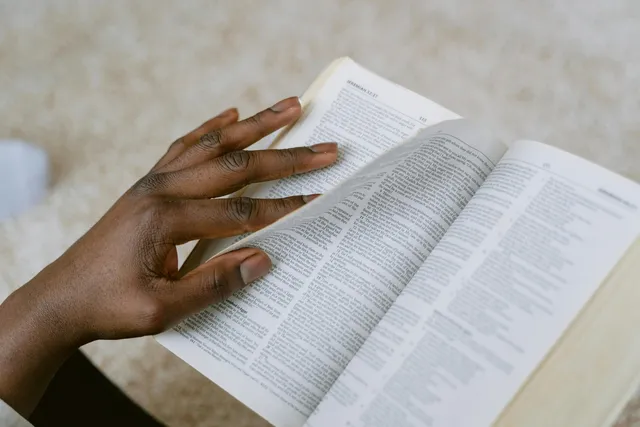
In almost every Christian tradition, the reading of Scripture stands at the heart of corporate worship. There is a moment when voices hush, and someone-pastor, priest, or lay reader-opens a Bible and reads. This act is not simply ritual; it's a sacred encounter. When the Bible is read aloud, the community collectively leans in to hear God speak.
From the earliest days of the Church, believers gathered to devote themselves to "the apostles' teaching and to fellowship, to the breaking of bread and to prayer" (Acts 2:42). Their teaching was rooted in the Scriptures. When we gather today, that ancient rhythm continues. The reading of Scripture reminds us that worship does not arise from human creativity alone-it is anchored in Revelation. We are responding to a God who first spoke to us.
The Bible as the Story We Step Into
Every passage read in worship connects worshipers to the sweeping story of salvation-from creation's wonder to redemption's triumph to glory's promise. Worship, then, is not an isolated moment but a continuation of God's great narrative. As we sing, pray, and listen, we find our place in that story.
The Bible doesn't only inform worship; it shapes its very structure and content. Many Christian liturgies are drawn directly from Scripture: Psalms recited as prayers, gospel readings proclaimed before communion, blessings lifted straight from apostolic benedictions. Even spontaneous worship-songs improvised, prayers spoken freely-is often rich with the language of the Bible because believers have internalized its rhythms and truths. Worship is the story finding voice in our lives.
From Revelation to Response
Scripture reveals God; worship is our response. The movement of authentic worship always flows this way: God speaks, we answer. Think of Isaiah's vision in the temple (Isaiah 6). First comes Revelation-Isaiah sees the Lord "high and exalted." Then comes confession, cleansing, and finally, mission. The Word ignites worship that transforms. Without the grounding of God's revealed Word, our worship risks becoming emotion without truth; with it, our worship becomes Spirit and truth intertwined.
Scripture in Song
Many who enter a church may not realize how deeply their singing is already soaked in Scripture. Hymns, chants, choruses, and modern praise songs draw deeply from biblical language and themes. When Christians sing, they often sing the Bible back to God.
The Psalms, the ancient hymnbook of Israel, remain the model for worship through music. Joy, lament, repentance, and exaltation-all find expression in this divinely inspired poetry. Through Song of Songs, Scripture moves from page to heart. It becomes memory, rhythm, and prayer. Paul urged the Colossians to let "the word of Christ dwell in you richly as you sing Psalms, hymns, and spiritual songs" (Colossians 3:16). In that dwelling, music becomes theology set to melody, allowing truth to sink more deeply than words alone.
Something mysterious happens when a congregation sings Scripture together. It's as though voices blend into one communal testimony: the Word alive, echoing through the hearts of believers. This isn't performance; it's participation in divine Revelation. The same Word that spoke creation into being now fills the sanctuary in Song of Songs.
The Preached Word: Encounter and Transformation
If the reading of Scripture invites listening, then the preaching of Scripture invites response. The sermon-when faithful to the text-is not an academic lecture but an encounter. Through preaching, the pastor acts as a herald, not inventing a message, but amplifying the Word already given.
Preaching is the bridge between biblical truth and lived experience. It opens the ancient text to contemporary hearts, showing how God's Word breathes life into present realities. In moments of faithful preaching, listeners often feel personally addressed by Scripture-as if the eternal voice of God has found their name in His book. That is the secret of Spirit-led proclamation: the timeless Word meeting a timely heart.
Every revival in Church history-whether in the desert fathers' sermons, the Reformation pulpits of Europe, or the revival tents of modern times-has been fueled by renewed devotion to Scripture. When the Bible speaks clearly, lives are changed. Worship grows deep where the Word runs deep.
The Word Beyond the Sanctuary
But the role of the Bible in worship does not end when the last hymn fades. True worship spills over into daily life. What is heard and experienced in church shapes how believers speak, think, work, and love throughout the week. The goal of worship centered on the Bible is a life centered on the Bible.
James bluntly reminds us not to be hearers of the Word only, but doers (James 1:22). Worship informed by Scripture calls us to holy action. When hearts are saturated with the Word, the choices made at home, the compassion shown to others, and the courage to stand for truth become extensions of the worship moment. Sunday becomes Monday's inspiration.
Scripture as Daily Liturgy
For many believers, Sunday's worship is a beginning point. Each day thereafter includes moments of personal reading, reflection, and prayer. These private encounters with Scripture echo Sunday's public reading, forming a rhythm of devotion. Morning or evening, in quiet corners or kitchen tables, Christians read and pray their way through the same living Word that shaped their corporate worship. This continuity is vital: the Bible unites personal piety and communal praise.
In this rhythm, even ordinary tasks may become acts of worship, guided by the Word's wisdom. The Bible teaches that true worshipers will worship the Father "in the Spirit and in truth" (John 4:23). Truth-not abstract truth, but the truth revealed in Scripture-forms the framework within which all of life becomes worship.
When Word and Spirit Meet
There can be a temptation to treat Scripture as static, as if reading merely recites history. But the Christian conviction is that the Bible is alive-the Word of God breathed by the Spirit, still speaking. In worship, Word and Spirit converge. The reading is not simply heard; it is illumined. The sermon is not merely studied; it is inspired. The Song of Songs is not just sung; it is empowered.
The Bible acts as both anchor and conduit. It grounds worship in truth even as the Spirit lifts it into transcendence. Together, they keep worship from drifting into emotionalism without substance or intellectualism without fire. This meeting of Word and Spirit ensures that Christian worship remains both deeply rooted and soaringly alive.
The Bible in the Table and the Font
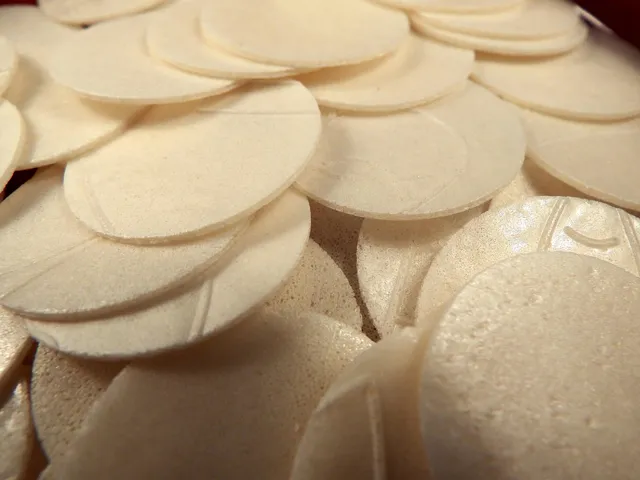
Beyond word and Song of Songs, the sacraments themselves-baptism and communion-draw their meaning entirely from Scripture. Each is a visual sermon of the Gospel. When believers are baptized, they are enacting Romans 6: "buried with Christ... raised to new life." When they share the bread and cup, they remember the words of Jesus at the Last Supper and proclaim His death "until He comes" (1 Corinthians 11:26).
These sacred acts are not arbitrary traditions but Scripture brought to life. The water, bread, and wine-all tangible expressions of biblical truth-remind worshipers that the Word does not stay confined to pages. It enters streams, tables, and hearts. The physical becomes spiritual, and the spiritual becomes visible.
A People Formed by the Word
Over time, the Bible in worship molds the character of the Church itself. The stories retold each week teach us who we are and whose we are. The commands shape our ethics; the promises sustain our hope. Worship centered on Scripture creates a community that speaks a shared language of faith, one rooted not in cultural trends but in divine Revelation.
The Bible makes the Church a remembering people. We recall what God has done, we rest on what He has said, and we anticipate what He will do. Every prayer of thanksgiving, every confession of sin, every benediction of peace-each is stitched together from the fabric of Scripture. We become, in a sense, a living Bible: people through whom the Word continues to speak to the world.
Living the Word We Worship
Worship and Scripture belong together like breath and Song of Songs. One without the other loses vitality. When the Bible breathes life into worship, faith deepens; when worship gives voice to the Bible, truth resounds. Together they form the circle of Christian devotion-God speaks, we respond, and in our response, we hear Him anew.
Each time you open your Bible in worship-or at home, or under a quiet tree, or amid the hum of city streets-you join generations of believers who have found in those pages the same living Word. You are part of the great conversation between Creator and creation. The role of the Bible in Christian worship is not only to inform us of God's story but to invite us into it-until, one day, faith becomes sight and worship never ends.