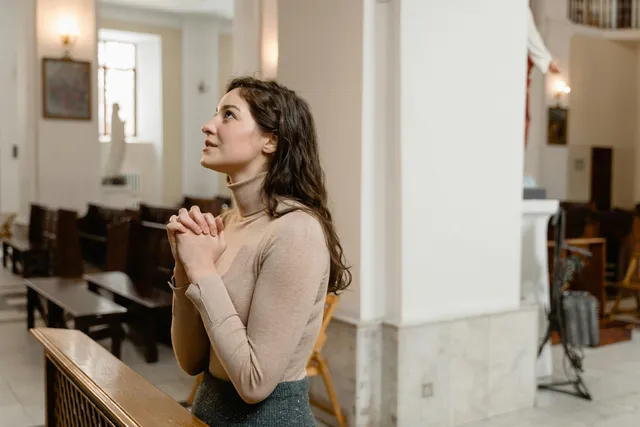
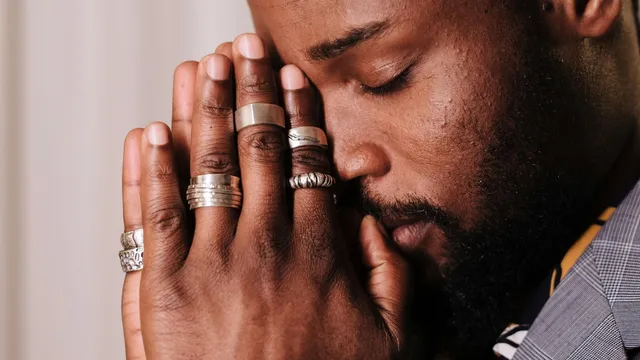
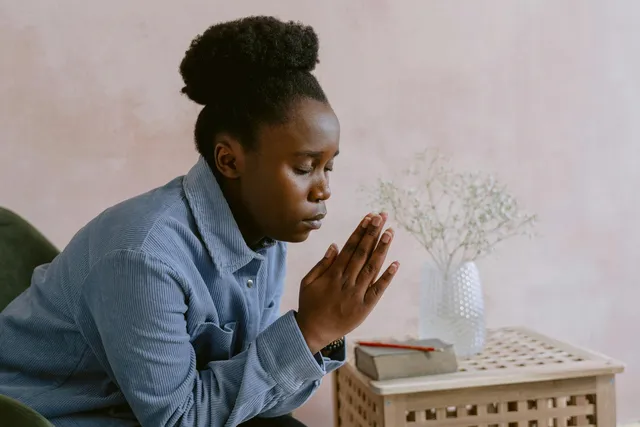
Prayer is one of the most intimate, mysterious, and vital rhythms of the Christian life. It's at once simple and profound-accessible to a child whispering before bed, yet deep enough to occupy the lifelong devotion of saints and theologians. Across Scripture, prayer emerges not as a ritual to master but as a relationship to nurture. It's how the human heart turns toward God, how faith breathes, how hope is kept alive.
The Heartbeat of Relationship
At its core, prayer is not transactional. It's relational. From Genesis to Revelation, God invites His people not merely to say prayers, but to walk and commune with Him. In the Garden, Adam and Eve heard the voice of God walking in the cool of the day. Abraham spoke with God as a friend. The Psalms pulse with the cries, confessions, and songs of David, revealing that prayer is the ongoing conversation between creature and Creator.
Jesus Himself demonstrated this relationship-centered approach. Before every major moment in His ministry, He withdrew to pray. Heaven's beloved Son spent time talking to the Father-sometimes in lonely places, sometimes in agony, sometimes in joy. If the sinless Son of God needed to pray, how much more do we? His example shows that prayer isn't a box to check, but a lifeline of love and dependence.
What Jesus Taught About Prayer
When the disciples asked Jesus, "Lord, teach us to pray," they recognized there was something unique in the way He spoke to God. His prayer life carried ease, reverence, and authenticity. And so, He gave them-and us-the model prayer found in Matthew 6 and Luke 11.
More Than Words: The Lord's Prayer
The Lord's Prayer begins with relationship: "Our Father in heaven." Two words-Our Father-capture both intimacy and awe. God is not distant; He is near, yet holy. Prayer begins with remembering who God is and who we are in Him. It's worship, not wish‑listing. And every line of the prayer calls us to align with God's priorities: His name honored, His kingdom advancing, His will being done.
Jesus also warns against empty repetition or trying to impress others. Prayer, He says, is private before it is public-born in the secret place where only God sees. That secret history with God becomes the foundation for public fruitfulness. When we pray honestly, without performance, we step into the kind of communion that transforms both us and the world around us.
The Many Forms of Prayer
The Bible doesn't give a single formula for prayer-it gives a mosaic. There are prayers of thanksgiving, lament, confession, praise, intercession, and petition. Each expresses a different shade of love and faith.
Thanksgiving and Praise
Psalms 100 calls us to enter God's presence with thanksgiving and praise. Gratitude re‑centers the soul. When Paul wrote to the Philippians, he urged them to replace anxiety with prayer, "with thanksgiving." Gratitude keeps prayer from becoming complaint. It shifts our gaze from scarcity to abundance, from fear to faith.
Confession and Repentance
David's prayer in Psalms 51 stands as one of Scripture's most raw and beautiful confessions. Prayer opens a place where honesty is not just welcomed but required. We come before the God who knows every motive and misstep, and in that light, we find mercy. Confession isn't groveling-it's returning. It's letting God's grace do what our guilt never can: restore.
Intercession and Petition
Then there is intercession, the prayer that reaches beyond ourselves. Abraham pleaded for Sodom, Moses interceded for Israel, and Paul constantly lifted the early churches in prayer. God invites us to join Him in His redemptive work through intercession. When we pray for others, we become channels of His compassion, standing in the gap between despair and hope.
The Mystery of Unanswered Prayer
Every honest believer wrestles at some point with silence. We pray earnestly and seem to hear nothing. The Bible does not shy away from this tension. The Psalms cry, "How long, O Lord?" Job demands answers. Even Jesus, hanging on the cross, prays words of abandonment. These raw cries remind us that faith is not the absence of questions but the persistence of trust.
Sometimes God's "no" or "not yet" is mercy in disguise. Sometimes His silence calls us deeper into dependence. Prayer is not a vending machine of requests; it's a posture of surrendered love. Romans 8 reminds us that even when we don't know how to pray, the Spirit intercedes with groanings beyond words. Our prayers don't vanish into the air-they are caught up into the heart of God Himself.
Praying With Scripture
One of the most transforming practices is learning to pray Scripture itself. The Bible gives us a language for our spiritual life. When we pray the Psalms, we find words for every human emotion-joy, fear, hope, grief. When we pray the promises of God's Word, we anchor our hearts in what is unchanging. Scripture doesn't replace our voice; it refines and enriches it.
Jesus in the wilderness quoted Scripture in the face of temptation. His prayer life was steeped in the Word. Letting biblical truth shape our prayers realigns our thoughts and desires with the mind of Christ. Over time, prayer becomes less about changing God's mind and more about letting Him change ours.
Persistent and Faith‑Filled Prayer
Jesus told parables about persistence-the widow who keeps knocking, the friend who won't stop asking for bread. His point wasn't that God is reluctant, but that faith clings even when sight fails. Persistence in prayer doesn't manipulate God; it shapes us. It teaches us perseverance, humility, and trust in God's timing.
Throughout Scripture, we see a pattern: those who keep praying, keep believing. Hannah's desperate cries for a child turned to songs of rejoicing. Elijah's small cloud on the horizon became a downpour. The early church prayed in unity, and prison doors opened. Each story testifies that the power of prayer is not in our eloquence but in God's faithfulness.
Prayer as Everyday Communion
Paul's instruction to "pray without ceasing" can sound unrealistic-until we realize what he meant. Prayer isn't limited to folded hands and closed eyes. It's an ongoing awareness of God's presence woven through ordinary life. Prayer can breathe through our work, our conversations, our moments of silence and laughter.
Brother Lawrence called it "practicing the presence of God." Whether washing dishes or sitting in traffic, he turned routine into meeting place. Prayer becomes not an event but a way of being. We can begin the day by dedicating it to God, whisper thanks during lunch, lift a silent prayer for someone passing by. When the heart stays tuned to God, even small moments become sacred.
The Transforming Power of Prayer
Prayer changes things-but most often, it changes us. It reorders our desires, heals our wounds, calms our fears. It exposes idols we didn't know we had and replaces them with a deeper trust in God's goodness. When we pray, we participate in the slow, holy work of transformation.
Acts shows us how prayer propelled the early Church forward. Believers prayed before making decisions, before sending missionaries, before facing persecution. Their prayers weren't luxuries-they were lifelines. Revival, courage, joy, and unity flowed from the place of prayer. The same remains true today. Each prayer, however small, carries eternal significance because it connects our finite hearts to an infinite God.
Prayer and the Presence of the Holy Spirit
Prayer is never a solo act. The Holy Spirit is the great companion in every genuine prayer. He stirs the heart, gives us words when we have none, and interprets our sighs. Ephesians 6:18 calls us to "pray in the Spirit on all occasions." This doesn't mean shifting into a special tone-it means letting the Spirit guide, correct, and embolden our praying.
Spirit‑led prayer keeps us from drifting into self‑centeredness. It takes us deeper than surface wants and brings us into alignment with God's eternal purposes. Over time, this kind of praying matures faith, builds resilience, and ignites love.
Learning to Listen
Too often we imagine prayer as one‑way communication. Yet, the Bible shows prayer as dialogue. Elijah heard God not in the wind or earthquake but in a gentle whisper. Samuel, as a boy, learned to say, "Speak, Lord, for your servant is listening." Listening prayer requires slowing down, opening the heart, being attentive. Silence before God is not emptiness; it's expectation.
As we learn to quiet our restless thoughts, we begin to discern the still, steady voice of love that has been calling all along. This listening posture shapes how we act, serve, and love others. When we listen in prayer, our faith gains roots deep enough to withstand storms.
The Invitation Today
What, then, does the Bible say about prayer? It tells us prayer is not optional but essential-an invitation into ongoing friendship with God. It assures us that every whisper, every groan, every wordless ache is heard. It calls us to pray boldly, humbly, persistently, gratefully. Above all, it reminds us that prayer is where heaven and earth meet within the human soul.
In an age of distraction and noise, prayer is a quiet revolution. When we pray, we remind our hearts that God is near, that His kingdom is coming, that love still wins. Whether our prayers are answered with miracles or with patience, we can trust that God is working in ways beyond sight. The act of praying-showing up again and again-is itself an act of faith.
So today, let your prayer be real. Bring your gratitude, your struggles, your silence. God is listening-not to be impressed, but to be near. Prayer, the Bible tells us, is both the simplest and the deepest thing we do. It is the soul's steady turning toward the One who loves us most.