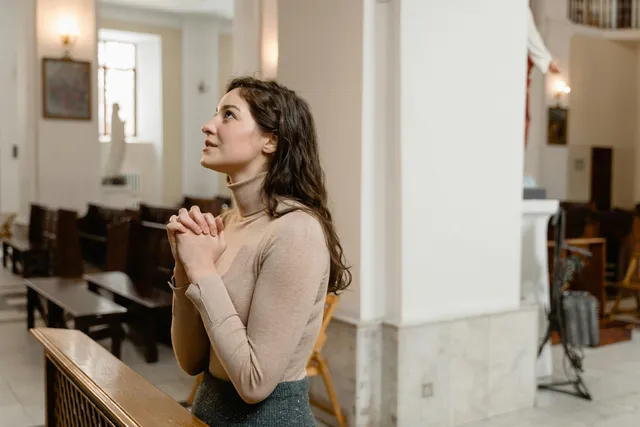
Prayer is one of the most intimate, transformative realities of the Christian life-yet it can also be one of the hardest to sustain consistently. Seasons of zeal can quickly give way to distraction, fatigue, or spiritual dryness. Many believers sincerely desire to develop a daily rhythm of prayer, but find themselves asking the same question over and over: How do I build a prayer routine that is both faithful and alive? The answer lies not in rigid schedules or perfect discipline alone, but in discovering prayer as relationship-an unfolding conversation with a living God who listens, speaks, and draws near.
The Heart of Consistency: Relationship, Not Routine
Before talking about "routine," we must talk about relationship. The point of prayer is not performance, but communion. In the Garden of Eden, God walked with Adam "in the cool of the day" (Genesis 3:8). That picture-simple, unhurried, and personal-reveals the heart of prayer: God's desire to walk with His people. Consistency comes not from fear of failing but from love that longs to connect.
Jesus modeled this beautifully. Even amid urgent crowds and pressing needs, He withdrew to solitary places to pray (Luke 5:16). His example reminds us that prayer was not a ritual checkbox; it was the lifeblood of His relationship with the Father. Building a prayer routine means inviting that same rhythm of intimacy into our daily lives.
Preparing the Ground: Creating Space for Prayer
Consistency thrives in an atmosphere of readiness. You can't grow what you haven't made room for. That's why one of the first steps toward a faithful prayer life is to literally-and spiritually-make space for it.
A Sacred Time
You don't need a monastery schedule to pray regularly, but choosing a time anchors the habit. For some, early morning is best, when the world is still quiet and the soul is most receptive. For others, evening prayer allows reflection and release after the day's busyness. The key is not which hour you choose, but that you honor the appointment. Treat this time not as a duty to fulfill, but as a meeting with Someone who is already waiting for you.
A Sacred Place
Physical space matters too. Find or create a spot where your mind knows it's time to meet with God-a chair by the window, a corner of your room, a walk in nature. Over time, this space becomes holy ground by association. Your heart learns to quiet itself there more quickly. A candle, an open Bible, or even a simple cross can become gentle reminders that you've entered into sacred conversation.
Start Small, Grow Deep
One of the biggest obstacles to consistency is overambition. We start with grand plans-an hour each day, beautifully crafted prayers, a list as long as the Psalms-and quickly lose heart when life interrupts. But God honors beginnings, not perfection. Just as a seed grows into a sturdy tree, our prayer life matures gradually. Begin with five minutes. Or with a single Psalms. Or with one heartfelt sentence: "Lord, be near."
Habits form through repetition, not intensity. Better five minutes daily than an hour once a month. As you develop this rhythm, the time will often expand naturally-not because you have to, but because you want to linger.
Faithfulness in the small builds capacity for the deep.
Let Scripture Shape Your Prayer
One of the simplest ways to keep prayer fresh and grounded is by praying Scripture. The Bible not only gives us words to say when we're unsure; it also reveals how God invites us to speak with Him. The Psalms, for instance, teach us that prayer can hold everything-adoration, lament, confession, and joy. David prays with unfiltered honesty; his prayers breathe real life. When we echo those biblical patterns, our own prayers become more authentic and more anchored in truth.
Try reading a Psalms aloud and pausing to respond after each line. Or let the words of Jesus' prayers shape your own: "Your kingdom come, your will be done." (Matthew 6:10) The aim is not to recite, but to interact-to let God's Word spark dialogue with Him.
Structure and Spontaneity: Balancing Heart and Habit
Some Christians resist structure, fearing their prayers will become mechanical. Others cling to structure because spontaneity feels chaotic. The healthiest prayer life often blends both. A framework-such as the ACTS pattern (Adoration, Confession, Thanksgiving, Supplication)-gives shape to prayer, ensuring that we don't drift only toward requests or worries. Yet within that frame, there's freedom to speak to God conversationally, to sit in silence, or to simply rest in His presence.
Prayer routines are guardrails, not cages. They keep us on the path, but they must always leave room for the Spirit's leading. Sometimes the most consistent thing you can do is show up and whisper, "Lord, I'm here. Teach me how to pray."
Overcoming Distraction and Dryness
It's inevitable: no matter how committed we are, there will be days when prayer feels lifeless or scattered. Our minds wander, our hearts feel heavy, our schedules dissolve. Consistency doesn't mean praying perfectly-it means praying anyway. Even saints and mystics through history faced seasons when God seemed silent. Mother Teresa once wrote of praying for years without feeling His presence, yet she continued out of love and faith.
When you find yourself distracted, gently return your focus. When your prayers feel hollow, let them. God is not grading eloquence-He's listening to sincerity. Sometimes consistent prayer looks like faithfulness in the fog. And often, those silent days do more for your soul than you realize.
Remember the Power of Silence
Consistency in prayer does not always mean a long list of words. Stillness is prayer. Reflection is prayer. Listening is prayer. In the quiet, the Holy Spirit works deeply, untangling our thoughts and calming our hearts. Elijah discovered God not in the wind, the earthquake, or the fire-but in a gentle whisper (1 Kings 19:12). Let silence become part of your routine. It's where you'll often discern that whisper too.
Linking Prayer to Ordinary Life
Another way to sustain consistency is to weave prayer into the moments between your "official" prayer times. Breath prayers, for example-a single phrase repeated quietly throughout the day-can keep your heart anchored. Phrases like "Lord, have mercy," or "Jesus, I trust You," can transform errands into worship and stress into connection. Brother Lawrence, a seventeenth-century monk, called this "the practice of the presence of God." He found holiness in washing dishes because he prayed through each movement, knowing God was near.
Consistency flows most easily when prayer stops being an event and becomes a way of being. Let your daily tasks become conversation cues: pray when you send an email, when you walk the dog, when you fold laundry. Every action can become a reminder that you live each moment before your Father's loving eyes.
Community: Praying Together to Sustain Faith
While personal prayer is vital, our consistency can be enriched through community. When Jesus taught His disciples to pray, He began with "Our Father." Prayer, at its root, is communal. Joining a prayer group, praying with family, or sharing requests with a trusted friend helps keep our hearts accountable and encouraged. A friend's faith can carry you when yours feels weak. Likewise, your prayer may answer someone else's unseen struggle.
Consistency grows in community because love keeps showing up.
When You Falter, Begin Again
Everyone misses days. Everyone loses focus from time to time. The temptation afterward is guilt-believing we've disappointed God. But God's mercy is new every morning (Lamentations 3:23). The invitation to begin again is always open. Prayer routines crumble when we link consistency to perfection; they thrive when we anchor them in grace. Start again today, simply. Whisper thankfulness. Offer silence. Rejoice in the One who welcomes you without reproach.
A Life Woven in Prayer
Over time, as prayer becomes the soundtrack of your life, you'll notice subtle changes: peace in waiting, clarity in confusion, tenderness toward others. You may not remember when the habit formed-it will simply feel natural to turn toward God, like breathing. The routine will no longer feel forced, because it's no longer just a routine; it's communion with the One who has been present all along.
Prayer is not the means to an end; it is the end itself-the joy of being with God.
The Rhythms of Grace
To build a consistent prayer routine is to live attuned to grace. It's to find God not just in the sacred hour but in the whole day-the commute, the conversation, the quiet evening, the restless night. As you practice consistency, remember that the heart of prayer is not your perseverance, but His presence. Your role is simply to return, again and again, into that presence. Over days and years, those small, faithful returns become the steady rhythm of a life rooted in love.
So begin again today. Find your quiet space. Take a breath. Whisper His name. The God who met Adam in the cool of the day still waits for you there.