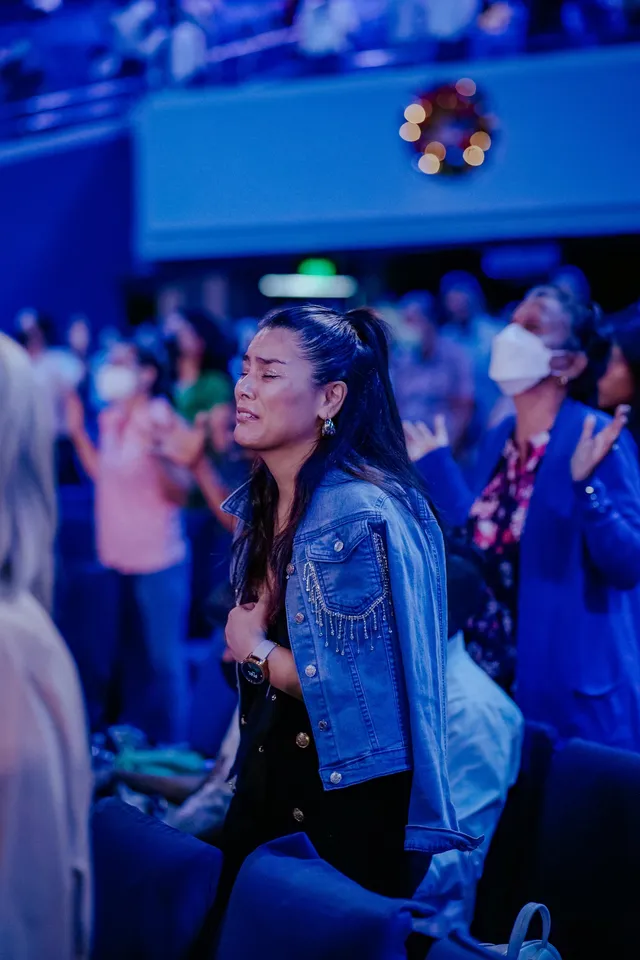
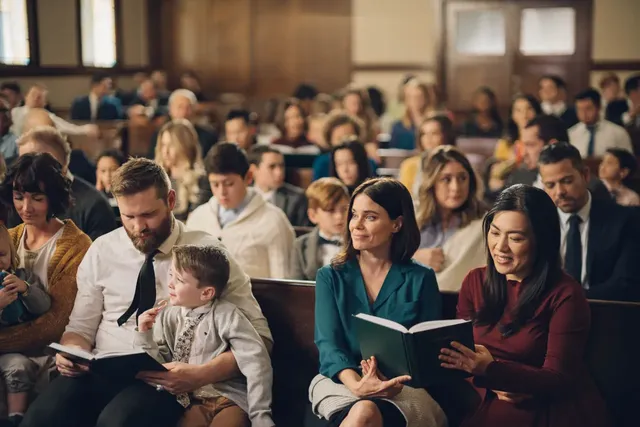
There's something sacred about gathering around the Word of God with other believers. Whether it's a circle of chairs in a living room, a corner table at a café, or a quiet space at church after service, the moment a few hearts open Scripture together, holy ground is formed. Studying the Bible in community is far more than an intellectual exercise-it's a shared encounter with the Living God. Yet, many people wonder how best to do this. How do we make our small group studies meaningful, not mechanical? How do we keep the time both rich in Scripture and real in friendship?
Why Study the Bible Together?
From the very beginning, God has revealed Himself in community. Israel gathered to hear the Word read aloud. The early church met in homes to devote themselves to "the apostles' teaching and to fellowship, to the breaking of bread and to prayer" (Acts 2:42). Faith was never meant to grow in isolation-it flourishes best when shared, tested, and strengthened alongside others. Studying the Bible together mirrors the rhythm of the body of Christ itself: many members, one purpose, one truth.
When we open God's Word together, we begin to see how each believer brings a unique lens, a reflection of God's multifaceted wisdom. What one person overlooks, another sees. Where one is weak in faith, another's testimony stirs courage. Community sharpens perception. As Proverbs says, "As iron sharpens iron, so one person sharpens another." But just as iron sharpening is a process that involves friction, Bible study with others can stretch us-but the reward is deeper understanding and maturity.
Creating a Foundation for Your Group
Before diving into Scripture, take time to shape your group's foundation. Bible study isn't just an event to attend-it's a spiritual journey to walk together. That journey will go best with clarity, love, and a shared vision.
1. Define the Purpose
Every Bible study should have a heart-goal. Is your group meeting to grow in faith, to strengthen friendship, or to seek guidance for a specific area of life? Be explicit about what matters most. Some studies emphasize learning biblical literacy, while others center on prayer and encouragement. Clarifying your purpose early keeps your group focused and helps guard against frustration or drift.
2. Choose a Passage or Series Wisely
Picking the right material can make all the difference. Some groups thrive by slowly walking through one book-perhaps a Gospel or a letter like Philippians-while others benefit from topical studies on themes like forgiveness, the Holy Spirit, or justice. The key is to choose Scripture that speaks both to your shared hunger and your current life season. If your group includes both long-time believers and new ones, balance challenge and accessibility. A passage-heavy approach invites rich discussion, while guided studies offer structure for those less familiar with Scripture.
3. Establish Rhythms of Meeting
Consistency creates security. Decide together how often you'll meet, how long each session will last, and what rhythm of preparation fits everyone's realities. A weekly meeting might work for some; biweekly may suit others better. Keep the tone expectant but gracious-life happens. The goal is to stay connected, not to check attendance boxes.
Creating Space for God's Presence
Before the first verse is even read, set your heart in awareness. You're not just opening a book-you're opening your life before the voice of the Savior. Invite the Holy Spirit's guidance at the start of every study. A brief prayer, whether silent or aloud, shifts attention from human plans to divine purpose. It steadies distractions and reminds everyone that this is God's meeting, not ours.
Consider shaping the beginning of your time with gentle grounding moments: lighting a candle, taking a minute of silence, singing a short chorus, or reading a Psalms aloud. Small gestures like these remind us that Scripture is sacred encounter. They prepare hearts for more than comprehension-they prepare for communion.
How to Read, Reflect, and Respond
Many groups approach Bible study as a question-and-answer session. While discussion is valuable, genuine transformation happens when we learn not only to talk about the Word but to be formed by it. The process can be beautifully simple: Read. Reflect. Respond.
Reading with Attentiveness
Read the passage slowly, maybe twice, and encourage everyone to listen for what catches their attention. Sometimes it's a phrase or image; sometimes it's an emotion stirred by a character's response. Don't rush to interpretation too quickly-linger long enough for the Spirit's whisper to surface. The goal is not to master the text, but to let the text master you.
Reflecting Together
As each person shares their observations, a mosaic of perspectives begins to emerge. Allow freedom for gentle disagreement. Sometimes one person's insight may open a truth that another has never noticed. Listening is an act of love. It communicates that we value not only Scripture but the work of the Spirit through one another. Keep Bibles open, cross-reference related passages, and remind yourselves to ask both theological and personal questions: What does this show us about God? How might it shape our choices this week?
Responding in Faith
Every study should end with a turn toward response. How will you live differently because of what you've heard? This is where transformation begins-when knowledge becomes obedience, when conviction becomes prayer, when insight becomes encouragement for someone else. The Word of God always invites movement.
The Power of Vulnerability
One of the most life-giving aspects of studying Scripture with others is discovering that we don't have to have all the answers. A powerful Bible study environment is not built on polished theology alone-it grows in authentic humility. When someone admits confusion or struggle, grace fills the room. When another shares a story of how God met them through pain, trust deepens. These moments transform the group from acquaintances into spiritual family.
Encourage honesty by modeling it. Leaders can set the tone by admitting where they, too, are learning. Remember: no one graduates from the School of the Word. We're all students of grace, under the same Teacher. Vulnerability, handled with care and confidentiality, turns study into genuine spiritual formation.
Incorporating Prayer and Worship
Don't let discussion eclipse devotion. Prayer is the breath of Bible study. Let it flow naturally before, during, and after your time together. Pray from Scripture; turn verses into petitions or praises. If someone shares a burden during discussion, pause to pray right then. Instead of waiting for a tidy closing circle at the end, weave prayer throughout-it's the lifeline that keeps the heart connected to the text's living reality.
Adding worship elements-a short Song of Songs, a shared reading, or instrumental music-can also create space for awe. Remember how the disciples responded on the Emmaus road (Luke 24:32)? "Were not our hearts burning within us while He talked with us on the road and opened the Scriptures to us?" True study should ignite that same holy fire.
Handling Differences with Grace
Not every Scripture conversation leads to immediate agreement, and that's okay. The Bible is rich and multilayered. Differing interpretations can be opportunities for humility, not division. Encourage your group to approach disagreements as fellow seekers of truth, not opponents in debate.
When questions arise that no one can fully answer, lean on prayer instead of pride. Say, "Let's keep exploring this together and trust God to show us more." Sometimes clarity grows slowly, as the Spirit matures understanding over time. The unity of a group is preserved not by uniformity of opinion but by charity of spirit.
Bringing the Word Into Daily Life
The most effective Bible study doesn't stop when everyone says goodbye. It continues as members take Scripture into their homes, work, and hearts. Encourage practical follow-up each week-perhaps a verse to memorize, a challenge to practice mercy, a commitment to forgive or to serve. The Word is not only to be understood but embodied.
Some groups create simple accountability practices: sending midweek messages, praying for one another's needs, or sharing how the week's reading has influenced daily choices. These small acts tether study to real life and reinforce the truth that faith is a living walk, not an occasional meeting.
When the Group Becomes Ministry
Over time, a faithful study group often becomes much more than a study-it becomes a spiritual home. Out of shared Scripture comes shared mission. The words of Jesus begin to echo: "By this everyone will know that you are my disciples, if you love one another" (John 13:35). That love flows outward: meals prepared in crisis, needs quietly met, hearts lifted in prayer. In those moments, Bible study becomes a seedbed of ministry-a community not only shaped by God's Word but radiating it to others.
Practical Tips for Sustaining the Journey
- Rotate leadership. Let different members facilitate discussions to cultivate ownership and diversity of voice.
- Respect time and space. Start and end reliably, allowing fellowship before or after as desired.
- Keep Christ at the center. Whenever conversation veers into speculation or distraction, gently steer back to Jesus, who holds the fullness of Scripture together (Luke 24:27).
- Celebrate progress. Mark the end of a book or season with a meal or time of Thanksgiving, remembering how God has led you.
Meeting God Together in the Word
Studying the Bible with friends or in small groups is one of the quiet miracles of Christian life. Week after week, people with ordinary jobs and imperfect stories gather around pages written millennia ago-and somehow, the God who spoke then still speaks now. He speaks through laughter and tears, honest questions and new Revelation, shared silence and bold prayers. The Bible, opened in community, becomes not only a text to analyze but a table of grace where hearts are nourished.
So gather your circle. Bring open Bibles, open hearts, and a readiness to listen. The Spirit will be faithful to meet you there, just as Jesus promised: "Where two or three are gathered in My name, there am I with them" (Matthew 18:20). In that promise lies the beauty and the power of studying Scripture together-the living Word meeting living people, transforming them into living testimonies of His love.