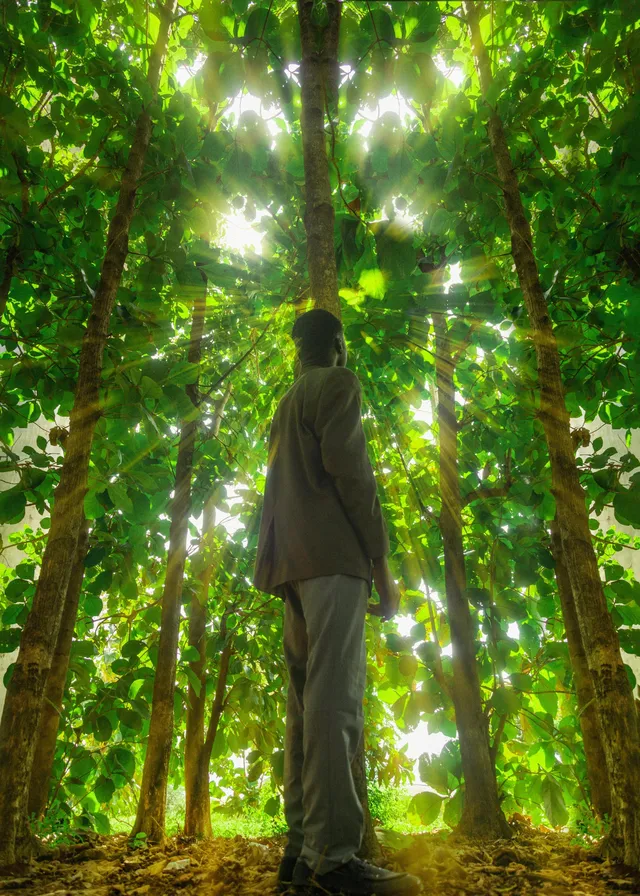
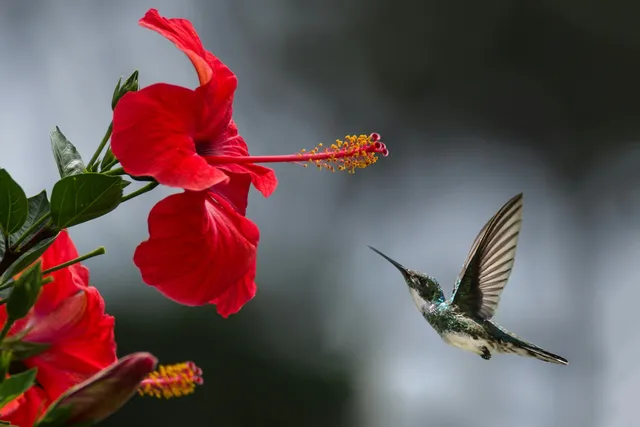
When we step into a forest just after dawn, the stillness feels alive. Dew clings to leaves like delicate jewels, birds lift their songs into the mist, and sunlight trickles through trees with quiet majesty. If we listen closely, there's a whisper in that symphony-the sound of God's presence. Nature, in all its splendor and subtlety, does not simply exist; it proclaims. Scripture tells us, "The heavens declare the glory of God; the skies proclaim the work of his hands" (Psalms 19:1). These words draw a direct line between the beauty of the natural world and the power of its Maker. Every mountain ridge, every ocean wave, every breeze that bends the grass bears silent testimony: God is near.
The Artistry of a Creator
When we admire a painting, we naturally wonder about the artist. The brushstrokes, the color choices, the emotion hidden within-all reveal something of the person who created it. Creation works the same way. The intricacy of a snowflake, the order of a sunrise, the migration of birds across continents-these are brushstrokes of divine artistry.
God's fingerprints are everywhere in creation. From the patterns of galaxies to the symmetry of a flower, we see not randomness but intention. Genesis 1 reminds us that at each stage of creation, God looked and saw that "it was good." This divine satisfaction radiates through every corner of existence. When we gaze at a stormy sky or a winding river, we are not witnessing chaos, but creation in conversation-God speaking through texture, movement, and mystery.
From Majesty to Intimacy
It's easy to think of nature as vast and impersonal, but in truth, it mirrors both God's majesty and His tenderness. The night sky stretches beyond our comprehension, declaring His glory and eternal power. Yet the same God who painted the Milky Way also clothes the lilies of the field and numbers the hairs on our heads (Matthew 6:28, Luke 12:7). Through nature, God shows us that His greatness does not cancel His nearness. The universe is immense, but so is His care.
Storms and Stillness: Nature as Teacher
Nature doesn't only show us God's beauty-it often becomes our classroom in trust and endurance. When we watch a storm roll over the sea, thunder echoing across the horizon, we are reminded of the psalmist's words: "The voice of the Lord is over the waters; the God of glory thunders" (Psalms 29:3). In that sound, we sense both awe and comfort. The same power that stirs the clouds holds our very lives steady.
Sometimes God meets us in the tempest, not the calm. Elijah learned this truth when he waited for God on Mount Horeb. There came a great wind, then an earthquake, then fire-but God was not in any of those. Then, in a whisper, He spoke (1 Kings 19:11-12). Nature reflects this rhythm: the changing seasons, the tension between storm and silence, the movement from darkness into light. Each pattern bears a lesson about how God speaks-not always loudly, but always faithfully.
The Seasons of Revelation
Creation moves in seasons, and so do our souls. Spring reminds us of resurrection and renewal, of dead things coming back to life. Summer speaks of abundance and joy, the warmth of God's favor. Autumn, in its golden surrender, teaches us about letting go gracefully, trusting that even endings can be beautiful. Winter, stark and silent, offers a sacred kind of waiting-a faith that sees life even beneath the frost.
Just as nature trusts its Maker with time and transformation, we too are invited to trust God's timing. No season is wasted, and no life is overlooked. The same God who orchestrates the migration of geese and the rebirth of forests after fire orchestrates our personal journeys. When we pause long enough to notice, we hear the quiet assurance that His hand is both strong and tender, shaping even our coldest winters into eventual bloom.
The Sacredness of Small Things
Not all revelations come in grand vistas. Sometimes they are hidden in the smallest details. A drop of water shimmering on a blade of grass, the patient hum of bees over lavender, the curve of a newborn leaf-each moment of creation invites us to slow down and look closer. Jesus often pointed to these small glimpses of divine truth: sparrows, seeds, sheep, fig trees. He taught that the kingdom of God could be seen in the rhythm of the ordinary.
When we take time to notice these seemingly insignificant wonders, we begin to live a more worshipful life. Gratitude awakens. Worry softens. We are reminded that God cares for the small and the unseen, for both the galaxies and the grains of sand. Our faith deepens not only in the cathedral but also in the garden.
The Practice of Attention
Practicing attention is a form of prayer. To sit beneath a tree and simply observe-to really see-is to honor the Creator behind the creation. The poet Gerard Manley Hopkins once wrote that the world is "charged with the grandeur of God." That grandeur hums beneath everything, but it often requires stillness to perceive. When we learn to pay attention, everyday life becomes thick with divine presence. The sound of rain on a roof, the scent of the earth after a storm, the sight of sunlight scattering through branches-these become small sacraments, reminders of Emmanuel: God with us.
The Groaning and the Glory
Yet not all of creation feels serene. We live in a world where earthquakes shake the ground, floods devastate homes, and droughts parch the soil. How then does nature reveal the love and power of God amid such pain? Scripture does not shy away from this question. Romans 8:22 tells us that "the whole creation has been groaning as in the pains of childbirth right up to the present time." The world, like humanity, longs for redemption.
This groaning invites compassion. It teaches us to see beyond the surface of brokenness and perceive the promise underneath. Even in the aftermath of disaster, we witness regrowth. Life pushes through rubble, forests regenerate after fire, and rivers find new paths. Every renewal is a small echo of resurrection. Nature's resilience becomes a living parable that reminds us: God's restoring power will not cease until all things are made new.
Walking with God in Creation
Jesus often withdrew to solitary places, mountains, and gardens to pray. He seemed drawn to open skies and simple silence, as if creation itself made room for communion. When we follow His example-when we take a walk at sunrise, sit near water, or simply breathe in fresh air-we too open ourselves to encounter. The landscape becomes not just scenery but sanctuary.
We might find God's guidance in the rhythm of waves or His steadiness mirrored in the mountains. We might sense His compassion in the softness of rain or His faithfulness in the returning dawn. When we walk attentively through creation, we are walking through a living sermon.
Turning Awe into Worship
The natural world doesn't just inspire awe; it stirs worship. Awe without direction fades into sentiment, but awe directed toward the Creator transforms the heart. Whether we sing in the pew or stand barefoot in a meadow, worship is the same act: recognizing the source of all beauty and giving thanks. Psalms 65 captures this perfectly: "The whole earth is filled with awe at your wonders; where morning dawns, where evening fades, you call forth songs of joy." Creation itself is worshiping-every sunrise a hallelujah, every wave a chorus.
Living in Harmony with the Creator's World
To recognize God in nature also calls us to stewardship. If creation reveals God's glory, then honoring that Revelation means caring for it. From the beginning, humanity was given a sacred trust to tend and keep the earth (Genesis 2:15). This is not merely environmental ethics-it is spiritual faithfulness. When we reduce waste, protect habitats, or simply cultivate beauty in our own gardens, we are participating in God's ongoing creative work.
Our care for creation becomes an act of love for the Creator. It becomes a way of saying, "I see Your handiwork, Lord, and I will guard it." Such participation realigns our hearts, teaching us humility and gratitude. We begin to see ourselves not as consumers of the earth, but as caretakers-children entrusted with their Father's masterpiece.
The Invitation of Wonder
Wonder is where all this reflection ultimately leads. To stand before the ocean or under a canopy of stars and feel small is not diminishing-it's restorative. In that smallness, we rediscover our place in God's vast design. Wonder restores worship. It softens cynicism. It revives joy. The more we marvel at creation, the more we trust the Creator.
God's power in nature is not distant or abstract-it is intimate and sustaining. The sunrise that bathes a field in gold is the same hand that lights the heart with hope. The rhythm of tides mirrors the rhythm of grace: faithful, unending, and full of promise.
The World as God's Living Message
When we look upon the earth with eyes of faith, we see more than scenery-we see a message written in living color. Every forest and field, every thunderclap and whispering breeze, tells the same story: God is mighty, and God is near. His presence fills the world He made, and His power holds it all together.
So the next time you find yourself beneath a starry sky or beside a quiet stream, pause long enough to listen. Feel the weight of that stillness. Let gratitude rise. The Creator who shaped the mountains is attentive to your life, your worries, your hopes. In every sunrise, He reminds you-nothing is beyond His reach. In every sunset, He whispers-nothing is beyond His care.
Nature does more than reveal God's power; it reveals His heart. And when we walk in awareness of that, every moment-every breath-becomes holy ground.