Helping children encounter God's Word is one of the most sacred trusts given to parents, pastors, and teachers. The Bible isn't just a book of rules or stories; it's the living Word of God that speaks to the heart of every person - including the youngest ones. When we guide children through Scripture, we're not merely passing down information - we're participating in a spiritual formation that will echo throughout their lives. Whether your Bible study takes place around a kitchen table, in a Sunday school classroom, or under a tree in the backyard, you have the holy opportunity to introduce little hearts to the voice of God.
Begin with Wonder, Not Obligation
Children naturally carry a sense of wonder. They marvel at how rainbows form, how stars shine, how a single seed becomes a tree. In that same spirit of curiosity, they can discover the beauty of Scripture - if we let their awe lead the way. Too often we think of Bible study as another "lesson" to get through, but in reality, it's an invitation to meet Jesus anew, together.
When a child first hears about David defeating Goliath (1 Samuel 17), their eyes widen not because of the history but because they sense courage. They begin to believe that God can help small people do great things. That is the wonder we want to preserve - the moment faith takes root in imagination.
Create a Warm Setting for the Word
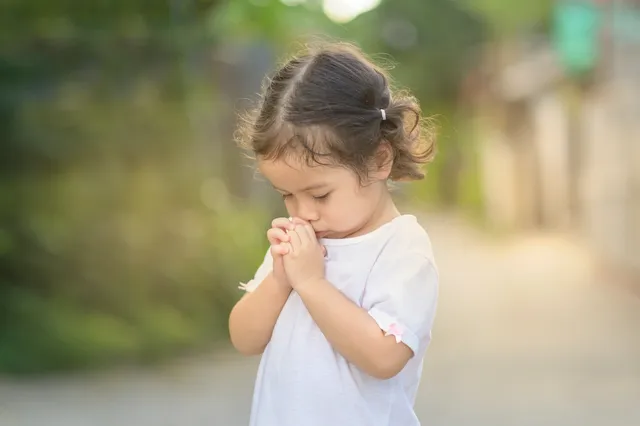
Children absorb the atmosphere around them. If your study time feels rushed, stern, or overly structured, they'll pick up on that tension. But if it feels gentle, joyful, and expectant, they'll relax into learning. Before opening the Bible, pause to pray together in a simple way: "Lord, thank You for loving us. Help us understand Your words today." That alone can shift the tone.
A warm tone isn't just emotional; it's spiritual. In Deuteronomy 6:6-7, parents are told to impress God's commandments on their children as they sit, walk, lie down, and rise. This rhythm isn't rigid - it's relational. The family home becomes a sacred classroom, where faith is woven into the fabric of everyday life.
Use Tangible Symbols
Young hearts thrive on sensory experiences. Light a candle to represent the presence of Jesus. Have them draw something from the story, such as Joseph's colorful coat or Noah's rainbow. The physical act of "seeing" or "touching" the lesson helps anchor truth deep in their memory.
Keep the Main Thing the Main Thing: Jesus
Every Bible story, no matter how old or complex, points to the same Savior. The story of Ruth reveals loyalty that reflects Christ's redeeming love. The story of Daniel shows courage through faith in God's protection. The Good Shepherd in the Gospels shows the One who knows each child by name. Helping children discover Jesus at the center of Scripture transforms Bible study from moral lessons to relationship.
When a Bible study becomes centered on rules or behavior, kids may try to "be good" without understanding why. But when they see Jesus - His love, mercy, and sacrifice - obedience flows naturally out of affection. Our role is to help them connect the dots: every miracle, law, and promise whispers His name.
Tell the Story, Don't Just Explain It
Children love stories because stories have power. Even Jesus taught through parables - windows of truth painted with imagination. When reading aloud, use your voice, expression, and pacing to bring the story to life. Let them see the sea part, hear the trumpet blast, imagine the angels' Song of Songs. The goal isn't performance; it's participation. A living story invites a living response.
Ask Questions That Open Hearts
Too many Bible lessons end with comprehension questions: "Who built the ark?" "How many stones did David gather?" That type of recall matters, but it doesn't reach the soul. What if, instead, we asked: "Why do you think David wasn't afraid?" or "When have you felt God help you be brave?" Those questions invite reflection and connection, not just memory.
Kids don't need all the right answers; they need space to wonder aloud. When they offer an unusual thought, don't rush to correct them - explore it together. God often speaks through a child's sincere question more powerfully than through an adult's polished answer.
Engage the Whole Self
Bible study for children should involve their heart, mind, hands, and feet. Let them act out the Good Samaritan story, write a short prayer, or draw something that shows what they've learned. Scripture is meant to shape action. When they live out the lesson - by sharing a snack, forgiving a friend, or thanking God for daily blessings - it becomes real faith, not theory.
Incorporate Music and Movement
Children connect deeply through Song of Songs and motion. Include a simple worship moment - perhaps singing a chorus about God's love or clapping along to a joyful Psalms. Even King David danced before the Lord (2 Samuel 6:14)! Movement reminds kids that worship isn't confined to words; it's an expression of the whole body and spirit.
Be Honest About Questions and Doubts
There will come moments when children ask hard questions: "How do we know God is real?" "Why did bad things happen in the Bible?" "What if I don't always feel like praying?" Don't feel threatened by these moments; welcome them. Faith that cannot withstand questions is fragile, but faith that wrestles becomes resilient.
When a child doubts, respond with empathy and Scripture. You might share how even the apostle Thomas doubted and then believed when he experienced the risen Christ (John 20:24-29). Let them see that God welcomes honest hearts. Sometimes the most powerful answer is, "That's a really good question. Let's ask God together and keep searching His Word."
Model the Faith You Teach
Children notice more than we realize. If we speak of Scripture with warmth, they'll learn reverence. If we read it daily, they'll see that it matters. But if Bible reading feels like a chore or disappears from our schedule, they'll quietly conclude it's optional. In other words, the teacher's life becomes the living curriculum.
Paul once wrote to Timothy, who had learned faith from his grandmother Lois and his mother Eunice (2 Timothy 1:5). Their consistent example prepared Timothy to become a leader in the early Church. No teaching aid can replace that kind of visible faith. What children see in us often shapes what they believe about God.
Keep It Short, Sweet, and Spirit-Led
Attention spans differ by age - and even by day! Be flexible. Sometimes ten minutes of heartfelt conversation means more than half an hour of lecturing. Let the Holy Spirit guide the pace. If the discussion veers toward a child's real-life struggle, follow that path. Scripture is never more alive than when it meets human need.
Celebrate Small Moments of Faith
When a child remembers a verse, prays earnestly, or connects truth to their day, celebrate it! God delights in these growth moments, and so should we. Offer encouragement by saying, "I can see God helping you understand!" or "That was so wise - I think the Holy Spirit is teaching you!" Such affirmation helps them see that their spiritual steps matter.
Anchor Every Lesson in Love
At its core, Bible study is not just about understanding Scripture but embracing relationship - both with God and with one another. When children begin to sense that God's Word is an expression of love, their hearts open wider. As Jesus said, "Let the little children come to Me" (Matthew 19:14). He didn't insist they memorize a verse before approaching Him; He welcomed them simply as they were.
Our posture as parents or teachers must reflect that same openness. Love first, teach second. When love frames the study, truth will find its way in naturally.
Bringing It All Together
When you gather for Bible study with children, remember that what you're doing shapes eternity. You're nurturing more than knowledge - you're cultivating a lifelong friendship between a child and their Savior. There will be messy days, giggles that derail the lesson, and moments you wonder if they're listening at all. But take heart: God's Word never returns void (Isaiah 55:11). Every verse sown, every prayer whispered, every small act of faithplanting counts in God's kingdom.
Invite God's Spirit to be your co-teacher, your comforter, and your guide. Let Scripture study feel like a family conversation rather than a lecture. Laugh, pray, listen, and trust that the same God who multiplied loaves and fishes can multiply your simple efforts into lasting spiritual fruit.
And when you watch a child grasp that Jesus loves them unconditionally - when you see their eyes brighten with newfound faith - you'll know this sacred work is worth every moment. That is Bible study at its best: hearts meeting the living God, together.