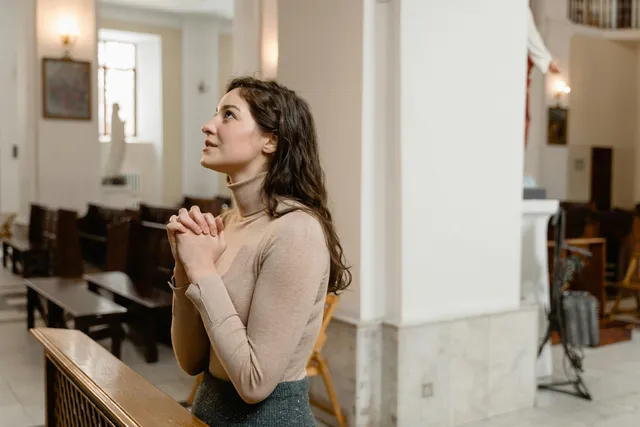
Night whispers softly at the edges of our busy days. The last lights dim, the noise of work, screens, and conversation fades-and yet, inside many hearts, rest still feels far off. In those tender hours, when worries echo louder than silence, bedtime prayer becomes not just a habit, but a holy refuge. It is there, between the final thought and the pull of sleep, that we meet the God who gives peace beyond understanding.
The Stillness That Heals
There is something sacred about the quiet. When we lie down, we are, in a way, surrendering. To sleep is to release control-to let go of the steering wheel for the night and trust that the world, and our lives, are held safely by Someone far greater. For believers, bedtime prayer becomes that act of release. The Psalmist understood this deeply: "In peace I will lie down and sleep, for you alone, Lord, make me dwell in safety" (Psalms 4:8, NIV). Those words aren't simply poetic; they are a declaration of trust.
Prayer before bed is more than routine-it's rehearsal for rest. In prayer, we lay before God the day's triumphs and wounds alike, believing He can take them, heal them, and redeem even the smallest pain. When the heart grows still, healing begins.
Unburdening the Heart
Every day delivers a mix of joy and strain. We collect invisible burdens-an unkind word, a tension in the home, a worry about finances, a quiet ache of guilt or fear. Left unspoken, those burdens can follow us into the night, leading to restless tossing and a mind that refuses to settle.
Jesus invited the weary, saying, "Come to Me, all you who are weary and burdened, and I will give you rest." (Matthew 11:28). There's no better time than bedtime to come again. A sincere moment of prayer allows us to empty our arms of what is heavy, to make room for the peace Christ freely offers. We don't need grand words-just honesty. Often, the most transforming prayers are whisper-thin: "Lord, I can't carry this anymore. I give it to You."
The Gift of Release
Some find it helpful to visualize the process: imagine placing each concern into God's hands-your work, your relationships, your health, your dreams-and then stepping back, as if laying down tools after a long day. When we pray this way, the heart learns to rest because it is no longer trying to control. Peace grows not by getting every answer, but by remembering Who holds the answers.
Re-centering the Soul
Our world seldom teaches us to be still. We are conditioned to scroll, plan, calculate, and respond. Even in bed, our minds keep racing. But prayer recenters us. It shifts the focus from ourselves-our failures, our future, our endless to-do lists-back to the unshakable presence of God. In those moments, the soul reorients around what is eternal.
When Daniel prayed three times a day, it wasn't because he lacked things to do. It was because, through prayer, he stood steady amid chaos. The same principle holds at night: when prayer becomes rhythm, peace becomes our resting posture. Consistent bedtime prayer is spiritual alignment-it anchors us in divine reality before we drift into dreams.
Simple Patterns for Nighttime Prayer
There is no single formula for praying at day's end. Some people prefer written prayers that gently guide the heart. Others speak freely, like children talking with a beloved parent. The goal is authenticity, not eloquence. Below are a few ways to shape those nighttime moments of communion.
1. Prayers of Gratitude
Begin by naming blessings-both great and small. Gratitude has a way of scrubbing the day clean, replacing frustration with wonder. You might thank God for the laughter of your children, a moment of grace you didn't deserve, or even the silent beauty of evening itself. As we name these gifts, our hearts learn to recognize His faithfulness again and again.
2. Prayers of Reflection and Confession
Before surrendering to sleep, it's wise to invite the Holy Spirit to search the heart. Say quietly, "Lord, show me what I have done that grieved You today. Forgive me, renew me." This prayer mirrors David's openness when he wrote, "Search me, God, and know my heart... See if there is any offensive way in me, and lead me in the way everlasting" (Psalms 139:23-24). Honest confession clears the conscience, leaving room for true rest.
3. Prayers of Intercession
Even at the edge of sleep, we can lift others before God. Naming friends, family, and even those who have hurt us builds compassion and releases bitterness. When we pray for others, our hearts expand beyond the boundaries of our own need. It's an act of love that outlasts the day.
4. Prayers of Surrender and Trust
Finally, bring the day to its quiet close by saying, in essence, "Lord, I rest because You do not." This statement of faith returns everything to the One who never slumbers nor sleeps (Psalms 121:4). We can rest precisely because He never stops watching, guiding, or loving. Such surrender changes sleep from a physical necessity into a spiritual declaration: that we belong to a faithful God.
The Presence That Comforts
There is a particular intimacy to nighttime prayer. The world goes dim, distractions fade, and our hearts grow vulnerable. In those moments, God's nearness can feel more personal, more gentle. Picture the scene in 1 Samuel, when the boy Samuel lays down near the ark, and in the quiet, he hears the Lord call his name. That story reminds us that sometimes the most transformative moments happen when the world is still.
Peaceful rest is not only about physical renewal; it is about communion. When we end our day with whispered conversation to the Divine, we tune our hearts to hear His voice more clearly throughout tomorrow.
When Sleep Won't Come
There will be nights, of course, when even prayer feels difficult. Anxiety hums, pain lingers, or sorrow refuses to quiet down. On those nights, remember this-peace is not the absence of struggle; it is the presence of Christ within it. There is no shame in simply sitting in silence with Him. Sometimes a single verse or phrase-"The Lord is my shepherd"-repeated slowly can refocus breathing, slow the pulse, and invite calm. Prayer is conversation, but it is also rest in relationship.
Even Jesus, in His anguish in Gethsemane, prayed through the night. The Father did not remove the suffering instantly, but His presence sustained the Son to endure. Our own restless nights can become sacred when we remember we are not alone in them.
Prayer and the Rhythm of Renewal
In creation, God established rhythm: light and darkness, work and rest, day and night. To pray at bedtime is to step into that rhythm intentionally-to mark the end of one cycle and open the door to renewal. Each night's prayer is a small resurrection: the dying away of worry and fear, the trustful laying down, and the awakening to new mercies in the morning (Lamentations 3:22-23).
When you bless the end of your day with prayer, you invite continuity between your waking life and your spiritual life. Over time, that practice forms a deeper serenity that begins to color the daylight hours as well. You might notice yourself more patient at work, more forgiving at home, more hopeful even in uncertainty.
Creating a Sacred Space
Although prayer can happen anywhere, it often helps to associate it with a sense of calm. A quiet corner, a soft lamp, or even a journal by the bedside can become small reminders that this time belongs to God. When you approach that space consistently, peace greets you like an old friend. The body begins to learn: when I kneel here, I breathe deeper; when I bow here, I am safe.
The Gentle Power of Consistency
Many people wish for greater peace but underestimate the impact of small, steady faith practices. Praying nightly might seem simple, but simplicity is part of its strength. Over time, those minutes spent in communion gather weight. They weave a cord that holds your life more firmly to God's heart. The fruit of consistency is not perfection but peace-a subtle transformation that infuses each day with quiet assurance.
Think of the parable of the wise builder (Matthew 7:24-25). A life rooted in the Word and prayer stands unmoved when storms arise. Nightly prayer lays that foundation again and again, stone by stone, night by night. It teaches your spirit to lean on what cannot be shaken.
Resting in the Arms of Grace
As the night deepens and the world grows quiet, bedtime prayer draws us back to what matters most: the presence of God that calms every wind. We are reminded that we do not hold ourselves together-He does. The worries of today bow before His faithfulness, and the fears of tomorrow fade under His promise.
Peaceful rest begins in surrendered hearts. When prayer becomes our final conversation of the day, sleep is no longer an escape but an embrace-a time to rest wholly in the arms of grace. And when morning comes, we rise not only refreshed but realigned, ready to live in the steady confidence that the God who watched over us in darkness is the same God who guides us in light.