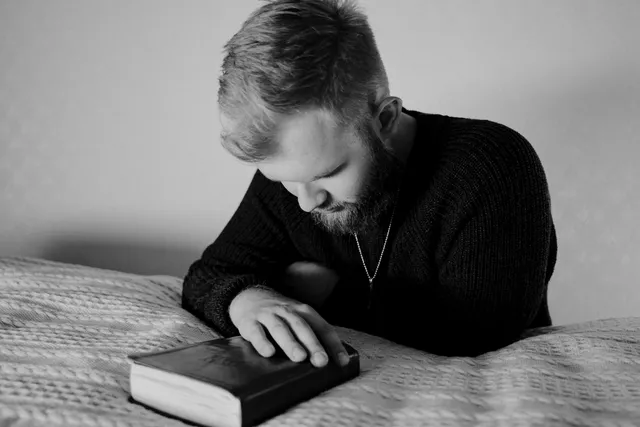
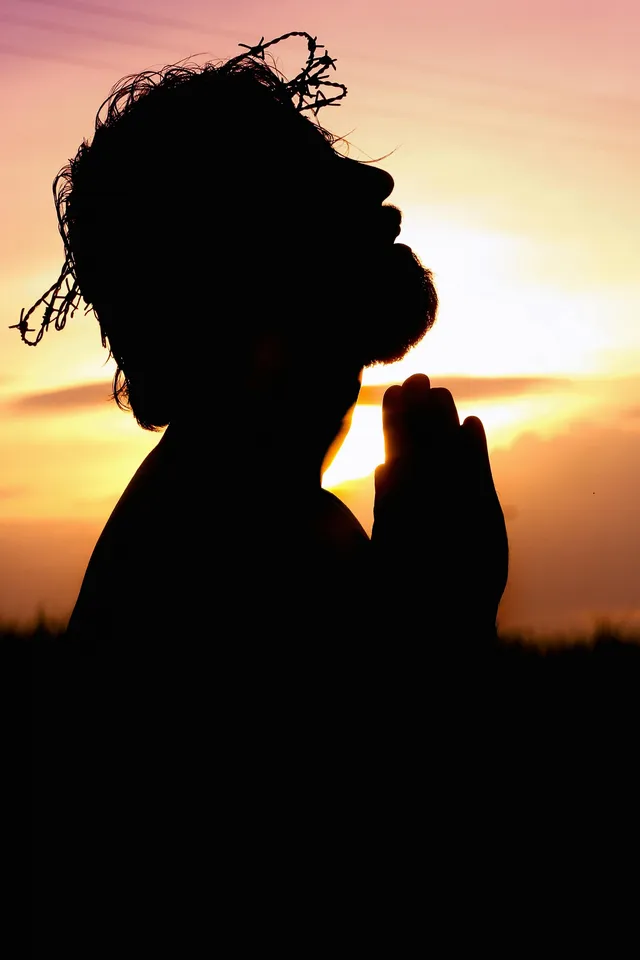
Obedience isn't a word that naturally stirs excitement in most of us. In a culture that prizes independence, "obedience" can sound like surrendering control or losing personal agency. But in the vocabulary of faith, obedience takes on a deeper, more radiant meaning. It's not the chain that binds-it's the path that unlocks freedom. From Genesis to Revelation, Scripture whispers and sometimes shouts the same paradox: when we trust enough to obey God, we find ourselves free indeed.
The Paradox of Freedom Through Surrender
Freedom is one of humanity's deepest longings. We chase it in every arena-politics, relationships, career choices, even spiritual life. Yet freedom detached from obedience quickly collapses into chaos. Eve reached for it when she took the fruit, imagining life without restraint. Israel sought it when they built the golden calf, tired of waiting on God's timing. Ironically, what they found wasn't liberation-it was bondage to shame, fear, and consequence.
Real freedom isn't the absence of boundaries; it's the presence of alignment. When a sailboat obeys the wind, it tilts but moves forward. When it fights the wind, it capsizes. Likewise, when our hearts yield to God's will, He doesn't crush our individuality-He empowers it to move in harmony with His purpose. "So if the Son sets you free, you will be free indeed" (John 8:36). That freedom is not from obedience but through it.
Why Obedience Feels Like a Burden-Until It Doesn't
Many of us resist obedience because it demands trust, and trust demands relinquishing control. The human heart whispers, "What if God asks too much? What if I miss out?" We fear that obedience will make life smaller. But often, that fear is rooted not in reality, but in misunderstanding who God truly is. Obedience seems heavy only until we glimpse the character of the One we're obeying.
When Jesus said, "My yoke is easy and my burden is light" (Matthew 11:30), He wasn't describing a life without effort. He was describing a relationship of intimacy. The yoke binds two oxen together-not to crush, but to make the work shared. Christ doesn't call us to carry rules; He calls us to walk beside Him. The moment obedience becomes personal, it becomes liberating.
An Invitation, Not an Obligation
Obedience is not God's way of testing us like a cold examiner waiting for us to fail. It's His invitation to participate in His divine rhythm. Think of Peter, who obeyed Jesus' call to step out of the boat into a storm-tossed sea. Logic said stay. Fear said sink. Obedience said step-and in stepping, Peter discovered what water feels like under trust. That moment of divine defiance against natural law was not a reward for courage but the fruit of obedience.
Learning the Freedom of Trust
When we obey without full understanding, it can feel like walking in the dark. Yet in God's design, obedience often precedes understanding. Abraham left his home "not knowing where he was going" (Hebrews 11:8). His obedience didn't earn God's promise-it activated it. He discovered freedom not by figuring out every detail, but by trusting the One who held the map.
Faith-driven obedience is not blind compliance; it's intelligent trust. It's saying, "I don't know all the answers, but I know the One who does." And somehow, that confession loosens the knots of anxiety that self-reliance tightens. The act of aligning our will to His transforms the unknown from a threat into an opportunity for intimacy.
When Obedience Costs Something
There is a romantic way to talk about obedience-until it demands sacrifice. True obedience often requires setting down what we love most, and that's where the refining begins. Consider Jesus in Gethsemane, His sweat like drops of blood, praying, "Not My will, but Yours be done." Obedience didn't feel light that night-it felt crushing. Yet through that surrender came resurrection, redemption, and everlasting liberty for all who believe.
Obedience may cost comfort, but it yields character. It may prune desires, but it bears fruit that lasts. Those who have walked with God through valleys of choosing His will over their own often speak of a peace that defies explanation. They discover the freedom of no longer fighting against love.
The Unseen Freedom of Limits
It's counterintuitive, but boundaries are often the birthplace of joy. Think of a musician: the freedom to create arises because they obey the theory of music. Within the structure of rhythm and harmony, endless beauty unfurls. Likewise, moral boundaries are not divine restrictions but creative frameworks for flourishing. When God says "no," He's protecting a deeper "yes"-the kind that leads to a whole life.
Obedience as Love's Language
Jesus said plainly, "If you love Me, keep My commandments" (John 14:15). To modern ears, that might sound transactional, but to those who love Him, it's relational. The commands of Christ are not arbitrary rules-they're expressions of His heart. When we obey, we speak back the language of love. Our obedience becomes worship, the melody of trust rising from human weakness into heavenly harmony.
The more we love God, the less we experience obedience as burden. It morphs from fear-based compliance into joy-filled cooperation. Think of a child helping a parent in the kitchen-not because they fear punishment, but because love draws them near. In the same way, obedience grows light when it grows out of love.
The Freedom Obedience Brings to the Soul
Some burdens come from carrying what we were never meant to hold-guilt, control, outcomes. Obedience releases those weights. It transfers ownership back to God. It allows us to stop strategizing and start abiding. A person who has learned trust no longer feels the crushing need to manipulate circumstances or prove worth. Their soul moves freely in grace.
In yielding, we find rest. In saying yes, we anchor ourselves in purpose. The Apostle Paul, once bound by legalistic zeal, found real liberty not in defiance but in devotion. "It is for freedom that Christ has set us free" (Galatians 5:1), he wrote-freedom not to serve self, but to love fully. Freedom framed by obedience becomes fertile ground for joy, peace, and purpose.
Obedience and the Renewal of the Mind
Every act of obedience rewires us. Every time we say "yes" to God, we carve new pathways of trust in our own hearts. Over time, obedience ceases to be an external struggle and becomes an internal reflex. The Spirit renews our minds until what once felt unnatural begins to feel necessary, even beautiful. We learn to delight in the will of God rather than endure it.
The Daily Practice of Free Obedience
Obedience is not a single, grand gesture. It's often found in small, daily decisions: forgiving the person who hurt us, giving when it feels tight, pausing to pray before reacting. These moments look ordinary, but each one widens our hearts for grace. The world may call them sacrifices; heaven calls them steps toward true freedom. Freedom grows in daily choices to trust God more than ourselves.
When we live that way, obedience stops being a task on a checklist and becomes a rhythm of relationship. We begin to move with God, not against Him. Life no longer feels like a tug-of-war between our will and His but a dance where our steps are guided by unseen strength.
The Liberty of the Willing Heart
In the end, obedience is not about losing freedom but receiving it. The difference lies in who commands us. When we obey fear, pride, or the world's expectations, we end up enslaved. But when we obey the One who formed us, our obedience completes us. His commands do not suffocate; they sustain. They don't confine-they clarify the path toward abundant life.
Every story of faith, every testimony of growth, every breath of spiritual renewal begins at this intersection: God speaks, and we respond. To obey is to believe that His way is better-even when we cannot yet see why. And when we do, we discover a paradox that has always been true: the heart most surrendered is the heart most free. That's not a burden to bear; it's a life to live, joyfully and courageously, under the gentle rule of a loving King.