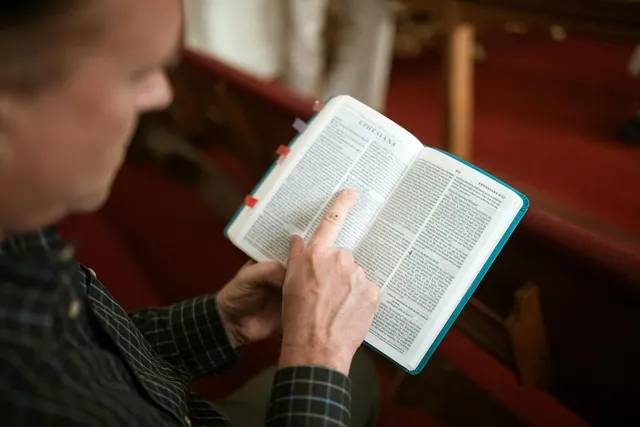
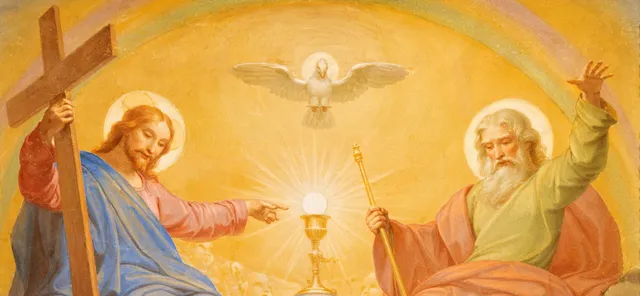
Every generation of believers asks in some way the same question: Why do we call the Bible the Word of God? We hold this collection of ancient writings in our hands - words written by shepherds and kings, prophets and fishermen, across centuries and continents. Yet Christians throughout history have not called it merely sacred literature or inspired wisdom. We've called it the Word of God. But what does that mean, and why does it matter today?
A Voice That Still Speaks
To call the Bible the Word of God is to say that our Creator has spoken - and still speaks. The opening pages of Genesis introduce a God whose very words bring worlds to life: "And God said, 'Let there be light,' and there was light." The same creative, life-giving Word that summoned light from nothing now speaks through Scripture into human hearts. When we open the Bible, we aren't just encountering stories about God; we are encountering the living God who speaks through those stories.
Think of that staggering truth. The God who spun galaxies from His breath continues to communicate with His creation. He does not remain distant or silent. The Bible is living proof that the God who began the conversation in Eden-calling out, "Where are you?"-is still calling today. When we immerse ourselves in Scripture, we are not merely reading words on a page; we are listening.
Human Words, Divine Voice
Of course, that raises a profound wonder: if the Bible is God's Word, why does it sound so human? The Psalms crackle with human pain and joy. Paul's letters brim with passion and personality. The prophets often cry out in voices both trembling and fierce. The Bible bears all the fingerprints of human authorship-real people, real times, real struggles.
Yet through these human voices, God speaks His eternal truth. God chose to reveal Himself not by dictation but through relationship. He partnered with human authors in such a way that their words became His Word, their penmanship His message. As Peter wrote, "Men spoke from God as they were carried along by the Holy Spirit" (2 Peter 1:21). The miracle of Scripture lies not in its escape from humanity but in its embrace of humanity-God stooping down to speak to us in a voice we can understand.
The Humility of Divine Communication
Consider the humility of that. The infinite God wraps His truth in human language-Hebrew, Aramaic, Greek-anchored in the stories and cultures of our world. The eternal Word speaks with a Galilean accent, teaches in parables about mustard seeds and fishermen. In doing so, He sanctifies human speech itself. Every time we read Scripture, we are reminded that God is not afraid to come close-not only in Christ's incarnation but in every word that reveals His heart.
The Living Word Behind the Written Word
When we say the Bible is the Word of God, we must remember that it ultimately points to the Word made flesh. John's Gospel opens with those cosmic words: "In the beginning was the Word, and the Word was with God, and the Word was God." Jesus Christ is the living embodiment of all God wants to say to humankind. The written Word testifies to the living Word; the Scriptures find their fulfillment in Him.
In this light, we don't worship the Bible-we worship the God the Bible reveals. The pages themselves are not the ultimate destination; they are the living road by which we come to know Christ. As Jesus told the Pharisees, "You search the Scriptures because you think that in them you have eternal life; and it is they that bear witness about Me" (John 5:39). To call the Bible the Word of God is to recognize it as the trusted voice through which we can hear the heart of Jesus today.
The Word That Transforms
Something miraculous happens when Scripture meets the human heart. It doesn't merely inform; it transforms. Hebrews 4:12 declares, "The Word of God is living and active... discerning the thoughts and intentions of the heart." This is no ordinary book. No matter how many times we read it, it reads us back. It searches our motives, convicts our pride, and heals our wounds. It is as if God Himself breathes through every page-and when His breath meets our spirit, life happens.
Authority and Intimacy
When we call the Bible God's Word, we also claim it as the final authority for faith and life. In a world flooded with opinions, the Bible stands as a lighthouse. It anchors us in what is true when shifting tides of culture threaten to carry us away. Yet its authority is not cold or distant; it is deeply personal. The same voice that commands the seas also whispers peace to the heart that listens.
Every time we open Scripture, we are invited into covenant relationship. This is not a rulebook demanding performance but a love letter revealing the heart of the Author. Even its commands flow from compassion. When God says, "You shall not," it is the voice of a Father protecting His children from harm. When He says, "Come to Me," it is the voice of the Shepherd calling His sheep home.
How the Word Shapes Our Story
The Bible doesn't just tell a story; it tells our story. Abraham's trust becomes a mirror for our own steps of faith. David's songs teach us to pray honestly. The disciples' failures remind us that grace is greater. Each page invites us into a relationship-not merely with the text but with the God who breathes through it. The Bible is God's Word because, like God Himself, it is alive and relational. It meets us where we are but never leaves us there.
Hearing the Word in the Ordinary
Many of the most transforming encounters with the Word don't happen in grand moments but in the quiet places. A verse read over morning coffee. A Psalms whispered in the dark. A sentence that suddenly pierces the fog of confusion and brings light. God's Word meets us in the ordinary and makes it holy. It's one of the miracles of Christian life-that the eternal voice of God can echo in the quiet of an ordinary Tuesday morning.
The Word and the Spirit
To hear the Word of God rightly, we need the Spirit of God. The same Spirit who inspired Scripture also illuminates it in our hearts. Without the Spirit, the Bible may seem like a closed book; with the Spirit, it becomes a living conversation. Jesus promised the Spirit would "guide you into all truth" (John 16:13), revealing not only what Scripture says but what it means for our lives.
This partnership between Word and Spirit is the heartbeat of Christian faith. The Word gives form; the Spirit gives life. Together, they bring us into the living presence of God. That's why every encounter with Scripture is more than an intellectual exercise-it's a spiritual event, an invitation to listen and respond.
Why It Matters Today
In an age of endless words-tweets, texts, slogans, slogans upon slogans-the Bible remains the one Word that endures forever. When everything else loses meaning, this Word remains steady. It's not outdated; it's eternal. It still confronts pride, still comforts sorrow, still calls the lost home. And because it is the Word of God, it cuts through noise with the voice of truth.
Many Christians have rediscovered that immersing themselves in the Bible isn't just about knowledge-it's about intimacy. Each time we open its pages, we are invited into conversation with the One who made us. God still speaks, not with thunder from the mountain but through the Word we can hold in our hands. For those who listen, every page becomes a channel of grace.
Living as People of the Word
To believe the Bible is the Word of God is to let it shape the way we live. It means letting Scripture speak louder than our fears, louder than the latest opinion, louder than the whisper of doubt. It means trusting that when God speaks, His words carry life, even into our hardest seasons. The same Word that calmed storms can calm our minds. The same Word that raised Lazarus can resurrect our hope.
We are called not just to know the Word but to embody it. To speak truth with grace, to love mercy, to walk humbly. In a fragmented world, people need to see what happens when the Word of God takes on flesh again-this time in the lives of those who follow Him.
A Word That Will Never Pass Away
Centuries have challenged the authority and credibility of the Bible. Empires have risen and fallen; philosophies have come and gone. Yet the Word still stands. Jesus said, "Heaven and earth will pass away, but My words will never pass away." That's not just endurance-it's promise. Long after the latest bestseller fades from memory, the Word of God will remain, lighting the path for those who seek Him.
Ultimately, calling the Bible the Word of God is a declaration of love and trust. We believe it because we've heard the Author's voice in its pages. We live by it because it tells us who He is and who we are meant to be. And we cherish it because, through it, the living Word continues to speak new life into weary hearts.
Listening Anew
So why is the Bible called the Word of God? Because through it, God still speaks. Through it, He still creates and calls and comforts. Through it, He still awakens faith and shapes souls. Every time we open its pages with humble hearts, we stand on holy ground.
May we be a people who don't just study the Word but listen to it, love it, and live it. For in every sentence, every story, every whisper of Scripture, the voice of our loving Father can still be heard - the same voice that once said, "Let there be light," and still, through His Word, brings light into the world.