When Christians hear the phrase "public policy," some instinctively feel a sense of distance-something bureaucratic, political, or even unspiritual. After all, isn't our true citizenship in Heaven, as Philippians 3:20 reminds us? Yet, if we pause and look carefully at Scripture, we realize that faith and public life were never meant to live in separate worlds. God's Kingdom vision has always included the flourishing of whole communities, not just individual souls. And public policy-how we order our common life-is one of the ways that vision can take shape in the real world.
Faith and the Public Square: A Call to Engagement
Jesus told His followers, "You are the salt of the earth" and "the light of the world" (Matthew 5:13-14). These aren't metaphors for withdrawal. They are calls to inhabit the world with grace, truth, and presence. To care about public policy, then, isn't merely a civic duty-it's a form of discipleship. Through public policy, we have opportunities to love our neighbors, protect the vulnerable, and advocate for justice as an expression of God's love in action.
Public policy touches everything: the integrity of families, the dignity of work, the care for the poor, the stewardship of creation. To ignore these realities in the name of "staying spiritual" is to overlook the very arenas where our faith can bring transformation. Our faith is not an escape from the world but a mission into it.
The Biblical Pattern of Civic Concern
The story of Scripture itself is filled with men and women of faith who engaged directly with the governing powers of their day. Joseph interpreted Pharaoh's dreams not for personal gain, but to save nations from famine. Daniel served in Babylon's court, modeling faithfulness and wisdom under difficult regimes. Esther's courage in the royal palace spared her people from destruction. These were not "private" believers-they were participants in public life, motivated by their faith to seek the welfare of others.
Jeremiah's letter to the exiles in Babylon carries this very heart: "Seek the welfare of the city where I have sent you into exile, and pray to the Lord on its behalf; for in its welfare you will find your welfare" (Jeremiah 29:7). That exhortation was given not to powerful rulers, but to ordinary people of faith living under foreign rule. It's a reminder that to care about the well-being of society is to reflect the heart of God Himself.
The Example of Jesus
Jesus Himself was not a politician-and yet His teaching carried profound public implications. He affirmed Caesar's realm ("Render to Caesar what is Caesar's," Matthew 22:21) but never ceded moral authority to earthly powers. He spoke into issues of justice, mercy, and the treatment of outsiders. He called officials to integrity and reminded the people that God's Kingdom, though not of this world, deeply disrupts the world's assumptions of power and worth. To follow Him faithfully means caring about how systems and structures reflect-or distort-the values of His Kingdom.
Why Some Christians Step Back-and Why We Should Not
Let's be honest: many believers feel disillusioned by modern politics. The polarization, the corruption, the endless shouting matches-it can all seem hopelessly removed from the gospel's call to love. Some retreat entirely, thinking it's more spiritual to remain neutral or silent. But silence in the face of injustice is never neutral.
To disengage from public life is to allow others to write the moral story of our culture without us. When Christians step back, decisions are still made-about education, poverty, family, and freedom-but without the wisdom of a biblical worldview guiding them. As followers of Christ, we are called to enter the mess with humility and truth, not to escape it for the sake of comfort or purity.
Faithful Presence, Not Partisan Loyalty
Caring about public policy doesn't mean idolizing any political party or platform. Political idolatry is a real danger when faith becomes just another stamp of approval on worldly agendas. Instead, believers are called to a higher loyalty-to Christ and His Kingdom. That means supporting policies and leaders that align with God's justice and compassion, even when they challenge our preferred camps.
A faithful Christian witness in public life often refuses easy categories. It asks hard questions of all sides. It holds to Scripture above slogans. It speaks the truth when convenient and when costly. It models something rare: conviction without cruelty, compassion without compromise.
Public Policy as Neighbor Love
The command to "love your neighbor as yourself" (Mark 12:31) doesn't end at the edge of private life. In a democratic society especially, love of neighbor extends through the policies and laws we help shape. The moral arc of our communities-the ways we educate children, treat immigrants, allocate resources-these are all expressions of how much (or how little) we love our neighbors collectively.
Good public policy protects the dignity of every person made in God's image. It defends those who cannot defend themselves: the unborn, the poor, the elderly, the refugee. It ensures that work can provide sustenance and that families can thrive. When Christians advocate thoughtfully for such things-not out of anger or fear, but out of love-they are participating in God's ongoing work of renewal.
When Policy Becomes Personal
Consider the parent struggling to afford housing, the teenager caught in a broken justice system, or the elderly widow facing isolation. Policy decisions shape their lives. When Christians speak up for fair housing, compassionate criminal justice, or accessible healthcare, they are not meddling-they are ministering. These are tangible ways of being the hands and feet of Christ in the public square.
The Spiritual Discipline of Citizenship
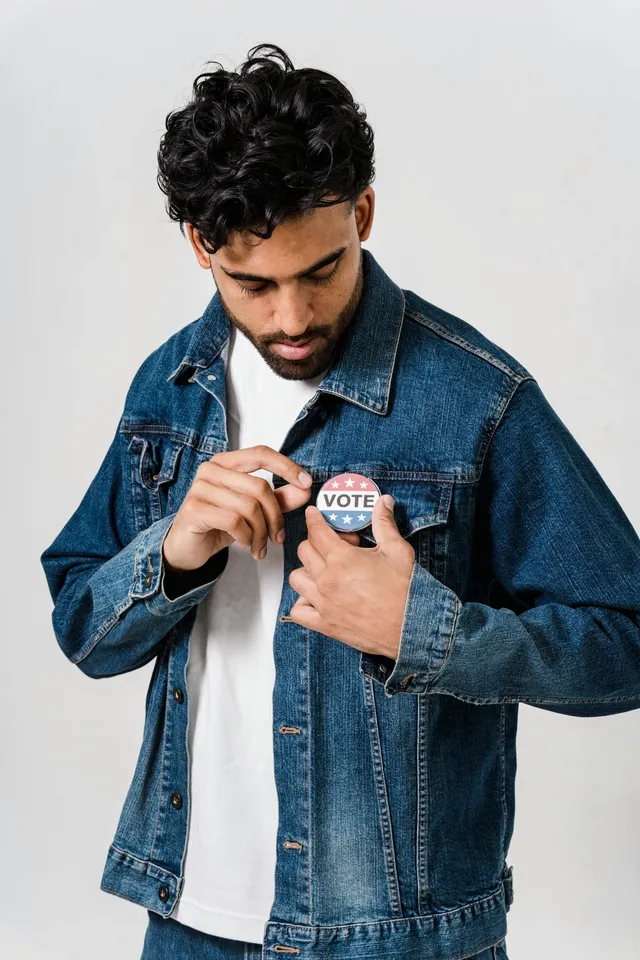
Engaging in public policy isn't merely activism-it can be a form of spiritual discipline. When we vote, advocate, or serve in civic roles with a heart tuned to God's will, we are exercising stewardship over the community He has entrusted to us. It's a practice that demands prayer, discernment, and humility. We cannot do it rightly without inviting the Holy Spirit to guide our motives and our methods.
Citizenship is a sacred trust. In nations where people have a voice, that voice carries moral responsibility. Using it wisely is an act of faithfulness. Neglecting it can become a form of neglecting our neighbor.
Prayer and Policy
Paul urged Timothy that "supplications, prayers, intercessions, and thanksgivings be made for all people-for kings and all who are in high positions" (1 Timothy 2:1-2). This isn't a polite afterthought. It is spiritual groundwork for social order. Prayer aligns our hearts with God's purposes before we ever advocate for them outwardly.
Praying about policy issues softens our posture. It prevents cynicism from taking root. We begin to see policymakers not as enemies but as souls in need of grace, wisdom, and courage. And out of prayer flows action-action guided by love rather than outrage.
Hope in the Midst of Broken Systems
One of the hardest truths for Christians who care about public life is this: the systems of this world will never fully reflect the Kingdom of God. Even the best policies cannot save humanity. Only Christ can. Yet, hopeful realism anchors our engagement. We labor not because we expect perfection, but because we believe every act of goodness matters. Every just law, every protected life, every fairer system brings a taste of the Kingdom near.
Faithful engagement is not about winning; it's about witnessing. It's bearing witness to a better way-to a God who establishes justice and mercy side by side. When we act from that hope, we can face disappointments without despair, and victories without pride.
Building Communities of Blessing
Imagine local churches viewing civic participation not as a distraction but as a mission field: praying for local leaders, hosting forums on community issues, mentoring young believers toward public service. This is how the light of Christ begins to penetrate civic darkness. When Christians work together for the good of their towns and nations, they echo that ancient vision from Jeremiah-to seek the peace of the city for all.
Refusing Fear, Choosing Love
Fear often drives politics-the fear of losing control, of being silenced, of cultural decline. But God's people are never meant to be driven by fear. "There is no fear in love, but perfect love casts out fear" (1 John 4:18). Our engagement must be marked not by anxiety about the future, but by confidence in the sovereignty of God. He is not wringing His hands over election results. His Kingdom is not fragile. And yet, He invites us to partner with Him in shaping a more just, compassionate society.
When love replaces fear, the tone of our engagement changes. We listen better. We speak more graciously. We become less reactive and more redemptive. Our presence becomes healing rather than divisive. This is the kind of influence the world desperately needs-and the kind Christ modeled perfectly.
Living It Out: Small Acts with Eternal Impact
Not every Christian is called to run for office or draft legislation. But every Christian can play a part. Writing a thoughtful letter to a representative. Supporting local initiatives that reflect biblical justice. Educating kids about courageous faith in public life. Hosting a community prayer meeting during an election season. These small acts, when done with faithfulness, ripple far wider than we imagine.
Even conversations at the dinner table or in church small groups can shape public awareness and compassion. When people of faith think biblically about social issues, they help the larger body of Christ discern and act with wisdom. Transformation begins not only in capitol buildings but in living rooms, sanctuaries, and hearts.
A Witness Worth Giving
Why should Christians care about public policy? Because we care about people. Because our God is just and merciful. Because every decision that shapes the moral fabric of society shapes the lives of those God loves. Engagement in public policy is not about political ambition-it's about spiritual obedience.
As we walk the tension between Heaven and earth, may we never forget: we are ambassadors of a Kingdom that will one day set all things right. But until that day, we labor in the fields of this world, sowing good seeds-of truth, justice, compassion, and hope. And when we do, whether seen or unseen, our faith in action becomes a living testimony to the God who governs both hearts and nations.