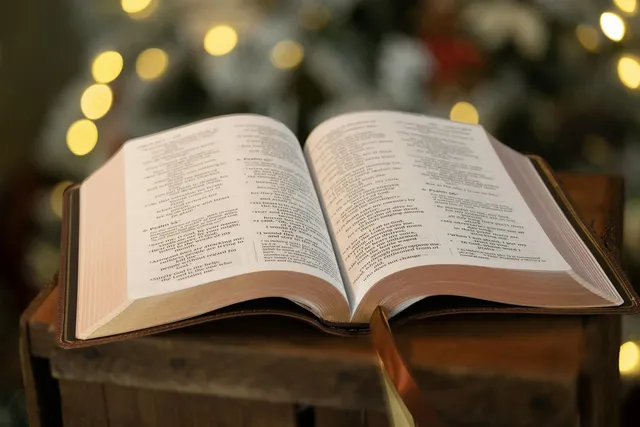
Faith and grace-two of the most profound and beautiful themes woven throughout the story of Scripture. They are words that roll off the tongue easily, yet carry depths that can occupy a lifetime of reflection. Every Christian has heard them, sung about them, and prayed for more of them. But how do they truly relate? How do faith and grace meet in the mystery of the Christian life-where the human heart reaches upward and the divine heart reaches down?
The Great Meeting Place of Heaven's Gift and Human Response
If grace is the unearned favor of God, faith is the open hand that receives it. The Apostle Paul puts it simply: "For it is by grace you have been saved, through faith-and this is not from yourselves, it is the gift of God" (Ephesians 2:8). In just a few words, Paul captures the heartbeat of the gospel. Grace flows from God's initiative; faith responds from our hearts. One makes possible what the other embraces.
Grace is God reaching out. It is God choosing to love, forgive, and restore those who could never deserve it. From creation to Calvary, grace originates in Him. Faith, by contrast, is our reaching up. It is belief, trust, surrender-a personal yes to what God has already offered.
Think of it like sunlight and an open window. The sun shines whether or not the window opens, yet when the latch turns and the pane swings wide, light floods in. Faith does not make the sun shine, but it allows grace to pour into the darkened room of the human heart.
The Tension-and Harmony-Between Gift and Response
In our human instincts, we often confuse the order of things. We want to earn what God gives freely, or we fear that faith is some kind of spiritual achievement. But Scripture continuously reminds us that grace comes first. God's grace precedes our faith. Before Abraham believed, God called him. Before Peter declared, "You are the Christ," Jesus invited him to follow. God's grace always leads; faith follows.
Yet this does not make faith passive. Faith is the active gaze of the soul toward God. It is the movement of saying, "Yes, Lord, I believe; help my unbelief." Grace ignites the possibility of redemption; faith keeps the fire burning within us.
When Faith Feels Fragile
Sometimes, faith trembles under the weight of grief, doubt, or disappointment. But here again, the relationship between faith and grace shines brightly. Grace is not dependent on the intensity of our faith. It is not fragile. The goodness of God does not ebb and flow with our emotional tides. Faith can be as small as a mustard seed, yet grace remains as vast as the ocean.
That's good news for every weary believer. God's grace holds even when our faith only whispers. His faithfulness extends beyond our understanding, drawing us back to trust again and again.
Grace Before Faith: The Theology of First Love
In many ways, grace and faith mirror the divine romance between Creator and creation. God initiates; we respond. This pattern starts in Eden, where God forms man from dust and breathes life into him before man ever acts or believes. It continues through Israel's story, where God says through the prophet Hosea, "I will love them freely." That is grace: love given before it is deserved, before it is even asked for.
When Paul writes about salvation, he paints a picture of a God who moves first. "While we were still sinners, Christ died for us" (Romans 5:8). Grace precedes faith not to reduce our role, but to reveal the magnitude of God's mercy. We are not saved because we found the right formula of belief; we are saved because God in His grace opened the way for belief itself.
Faith as the Doorway, Grace as the Home
When we step through the door of faith, we enter rooms built entirely by grace. Every aspect of our salvation-the forgiveness that lifts guilt, the Spirit who indwells, the promises that secure our future-is ultimately a manifestation of grace. Yet faith remains the steady threshold through which we move deeper into this home.
Faith keeps opening new doors into the grace-filled life. We begin by trusting Christ for salvation, but faith continues as we trust Him for guidance, provision, and peace. Grace is not only for the moment of conversion; it is the air we breathe in every season. And faith keeps our hearts open to that atmosphere of divine generosity.
Living in the House Grace Built
Imagine waking each day and remembering: you live in a house grace built. Every blessing that rests on your table-family, forgiveness, purpose-rests there because God's favor rests on you. Faith responds by saying, "Thank You." It doesn't try to pay rent or earn the right to stay; it simply abides, grateful and trusting. In this way, faith sustains the rhythm of grace in daily life.
Faith and Grace in the Story of Scripture
The relationship between faith and grace is not a theological abstraction-it's the thread that ties together the human stories of Scripture.
Abraham believed God's promise of descendants as numerous as the stars, and grace credited him righteousness (Genesis 15:6). Rahab trusted the God of Israel and found mercy in the destruction of Jericho. The sinful woman who anointed Jesus' feet with tears was told, "Your faith has saved you; go in peace." In each story, faith is the avenue of grace entering human need.
The same pattern unfolds in the life of the early Church. Paul, once Saul the persecutor, was overwhelmed by grace on the road to Damascus. But grace did not end his story; it gave birth to faith. That faith moved him across continents, preaching a gospel that always held these truths in tension-and harmony: grace alone saves; faith alone receives.
When Grace Teaches Faith
There is another side to the relationship-a reversal that surprises us. Sometimes it is not our faith that brings us to grace, but grace that teaches us how to have faith. When life unravels, and nothing makes sense, grace whispers, "Trust Me still."
Titus 2:11-12 says, "For the grace of God has appeared, bringing salvation to all people. It teaches us to say 'No' to ungodliness and to live self-controlled, upright, and godly lives." Grace is not only pardon; it is power and instruction. It leads us toward faith when we would otherwise retreat into fear.
Grace both saves and shapes. It comforts us in failure and calls us to fullness. Faith, then, is not blind optimism, but an ongoing conversation with grace-one that matures our souls.
When Faith Meets Grace in Daily Life
Consider the daily moments that test our belief. When money is short, when a relationship fractures, when hope is dim-these are the testing grounds of the faith-grace relationship. Grace says, "My strength is sufficient for you." Faith says, "Then I will trust You in this weakness." The two meet again and again in the places where life feels uncertain.
In every trial, grace comes first. God's presence meets us before we even have words to pray. Faith comes next, sometimes quietly, sometimes in tears, yet always pointing us toward the One who never changes. The result is a deeper intimacy. Faith grows best in the soil watered by grace.
Faith and Grace: The Divine Dialogue
When faith and grace meet, a divine dialogue begins. Grace speaks: "You are loved, forgiven, chosen." Faith answers: "I believe. Help me live from that truth." And so it continues, day after day, a conversation that shapes everything about what it means to walk with God.
That dialogue transforms us. It softens pride, because we realize nothing we have is earned. It strengthens courage, because we know we are never alone. It deepens compassion, because grace received becomes grace extended. This is what Paul meant when he said, "We have access by faith into this grace in which we now stand" (Romans 5:2). We stand in grace-steadied, sheltered, surrounded-because faith has led us there.
The Endless Circle of Grace and Faith
In the end, faith and grace form a kind of holy circle. Grace gives rise to faith; faith leads us deeper into grace. The more we trust, the more grace we see. The more grace we experience, the more our faith grows. They are not competitors but companions, each amplifying the other in the soul of a believer.
To walk with God is to live within this circle-to remember that God's initiative and our trust are always intertwined. Grace anchors us; faith moves us. Grace declares what God has done; faith steps forward to live as though it's true.
Living Between Gift and Response
Every day offers us another chance to stand at the crossroads of faith and grace. When we wake in the morning, it is grace that greets us first-the gracious breath in our lungs, the sun that rises unbidden, the mercies that are new again. And then comes our response: faith that says, "Thank You, Lord. I will walk with You today."
In the simplest acts-trusting a promise, forgiving an enemy, offering a prayer-faith and grace dance. One gives, one receives. One invites, one answers. One descends from the heart of God, the other rises from the heart of man. Together, they tell the story of our salvation and the ongoing story of our sanctification.
Faith does not make grace possible; grace makes faith beautiful. And when the two meet, we find ourselves standing where heaven touches earth, held in the tender exchange between divine generosity and human trust-the meeting place of love itself.