Respecting parents isn't just an old-fashioned virtue or a pleasant cultural courtesy-it's a divine command woven deeply into the fabric of our faith. The Bible doesn't treat this principle lightly; in fact, it places it among the most foundational aspects of human relationships. But what does it really mean to honor your father and mother in today's complex world? And why does God place such importance on the way we treat those who gave us life?
The Command That Bridges Heaven and Earth
When God etched the Ten Commandments onto stone, the command to honor parents stood at a fascinating crossroads-right between our duties toward God and our responsibilities toward other people. Exodus 20:12 declares, "Honor your father and your mother, so that you may live long in the land the Lord your God is giving you." It's as if God knew that the respect we learn within the family would shape the way we respect His authority and treat others around us.
Family is our first classroom of love, authority, and faith. Before we ever learn to say "yes, Lord," we're taught to say "yes, Mom" or "yes, Dad." The home is where our hearts are trained to understand obedience, humility, and gratitude-all of which become the language of worship in our relationship with God. To disrespect parents, then, isn't a small lapse in manners; it's a spiritual rupture that distorts our understanding of divine order.
Honor: More Than Obedience
For many, the idea of honoring parents conjures childhood memories of following rules or completing chores. But biblical honor runs deeper than obedience. The Hebrew word for "honor" (kavod) carries a sense of weight or glory-of giving something the significance it deserves. To honor someone is to recognize their God-given value and to treat them accordingly.
Honoring parents is about attitude as much as action. It means carrying a posture of respect whether we're 6 or 60. Even when we grow into independence, we don't graduate from the fifth commandment. Instead, we live it differently-by showing gratitude, care, and dignity toward the ones who shaped us. Jesus Himself rebuked the Pharisees for neglecting their parents under the guise of religious duty (Mark 7:9-13); He made it clear that love for God is hollow if it doesn't translate into love for those closest to us.
When Honoring Is Hard
Not everyone grows up with kind, faithful, or present parents-and for some, the wounds of family life run deep. The call to honor can feel impossible in the face of pain. Yet the Bible's wisdom remains both challenging and grace-filled: we're never asked to ignore sin or pretend abuse didn't happen, but we are called to respond with hearts that seek healing rather than revenge.
Grace in Tension
Honoring parents who have failed us may begin not with affection but with forgiveness. That forgiveness doesn't mean forgetting or excusing-it means releasing our bitterness into God's hands and choosing to walk in freedom rather than resentment. Paul writes, "As much as it depends on you, live at peace with everyone" (Romans 12:18). Sometimes that peace will take the form of distance mingled with prayer, or boundaries interlaced with compassion. God sees the effort, not the perfection, in your obedience.
To honor in broken circumstances is to reflect God's own mercy. It means acknowledging the position of parent even if the person fell short of it. Just as Christ honored the Father's will through suffering love, we too can bear witness to God's redemptive power by showing respect anchored in His strength, not in sentiment alone.
The Promise Attached to Honor
The commandment to honor one's parents comes with a promise: "that you may live long in the land." This wasn't merely about individual lifespan-it spoke to the flourishing of the entire community. Families that cultivate respect foster stability, kindness, and generational blessing. Dishonor, by contrast, erodes societies from within.
Paul echoes this truth in Ephesians 6:2-3, calling it "the first commandment with a promise." His reminder is practical and spiritual alike: when we cultivate respect and gratitude, we're aligning ourselves with God's design for life. The peace and longevity of a faithful community depend on each household learning the sacred rhythm of reverence.
Biblical Portraits of Parental Honor
The Scriptures are not silent about real examples of what parental respect-and neglect-look like. They offer vivid, human stories that still speak to our hearts today.
Ruth's Humble Loyalty
Though Ruth's story centers around her mother-in-law Naomi, it embodies the spirit of honoring parent figures. When Naomi urged her to return to her homeland, Ruth's response was a vow of deep devotion: "Where you go I will go, and where you stay I will stay." Ruth didn't just offer words; she redeemed a broken family line through faithful love. Her respect for Naomi became a bridge to God's greater story of redemption, culminating in her becoming the great-grandmother of King David.
Joseph's Tender Strength
Joseph, despite being sold into slavery by his brothers, never stopped honoring his father, Jacob. When famine struck, he provided for his father and family with grace, even after years of betrayal. In a moment that could have been fueled by bitterness, Joseph chose compassion. True honor often shines brightest in forgiveness.
Jesus and His Mother
Even at the end of His life, Jesus modeled perfect honor. While suffering on the cross, He entrusted Mary to the care of His disciple John (John 19:26-27). In His final moments, He thought not only of salvation for the world but also of His mother's well-being. That quiet act reminds us that honoring parents isn't merely about duty-it's about love that continues through every season of life.
Respect in Action: Living the Fifth Commandment Today
So how do we live out this age-old commandment in modern times, when family structures vary so widely and distance often separates generations? Honoring parents may look different for each believer, but its heart remains the same.
1. Speak with respect. Words have weight. The way we talk to-and about-our parents reflects the state of our hearts. Even when we disagree, we can choose gentleness over sarcasm, listening over accusation. Proverbs reminds us that "the tongue has the power of life and death."
2. Practice gratitude. Gratitude is one of the purest forms of honor. Take time to thank your parents for their sacrifices, whether spoken or silent. And if you never had parents who offered love, thank God for the mentors, guardians, or spiritual parents He's placed in your life. Honor flows wherever love has been given, and gratitude keeps the heart humble.
3. Show care in practical ways. The command to honor doesn't expire when childhood ends. In a culture that prizes independence, Scripture calls us toward responsibility. Caring for aging parents, checking in regularly, offering patience during their frail years-all are expressions of love that mirror God's tenderness toward us. Remember Paul's words to Timothy: "If anyone does not provide for his relatives, and especially for his own household, he has denied the faith."
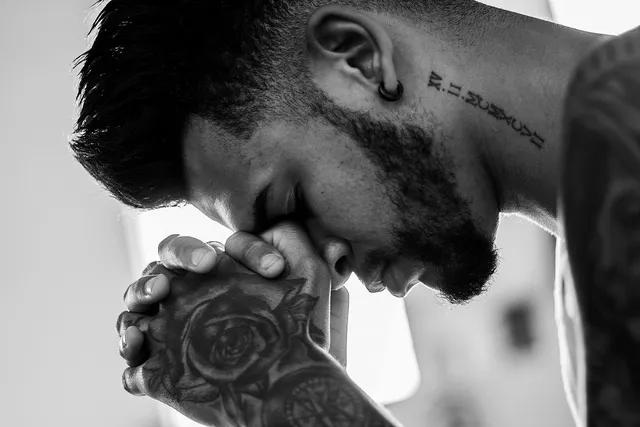
4. Pray for them. Prayer transforms how we see others, softening even old wounds. When we lift our parents before God-both their strengths and their faults-we invite divine grace into the dynamics of our families. Sometimes, prayer is the most powerful form of honor available to us.
Learning Honor from Our Heavenly Father
Ultimately, our ability to respect earthly parents finds its deepest meaning in our relationship with God, our perfect Father. Every act of honoring parents points beyond them to Him. When we honor those He has placed over us, we are learning to honor His authority and love.
Jesus taught us to pray, "Our Father." By calling God Father, He wasn't just using a title-He was inviting us into a familial closeness grounded in trust. As we draw near to Him, we learn both the beauty of submission and the freedom of grace. God's fatherhood restores what human fatherhood sometimes distorts. In Him, wounds are healed, respect is renewed, and love is purified.
A Legacy of Respect
When we live out the call to honor our parents, we're not only obeying a command-we're sowing seeds for generations to come. Children watch how we treat our own parents, learning from our tone, our patience, and our compassion. The legacy of respect multiplies through example. The cycle of honor, once started, becomes a radiant reflection of the kingdom of God.
Imagine communities built on that kind of reverence: where the elderly are valued, where differences give way to dignity, and where children grow up knowing love that respects authority and embraces grace. That's the vision behind God's command-it's not about control, but about connection. It's about love strong enough to honor even when it's hard, and humble enough to say thank you even when it hurts.
The Heart of Honor
At its core, the call to respect our parents is a call to live in gratitude, humility, and love. It's about seeing the image of God in those who gave us life, even in imperfect reflections. It's about living out the gospel in the most ordinary places-the kitchen table, the phone call, the forgiveness that mends generations.
When we honor our father and mother, we're echoing heaven's melody of harmony and grace. In doing so, we not only bless our families but also bear witness to a God whose love is eternal, whose forgiveness is perfect, and whose command to honor is really an invitation-to live life fully within His love.