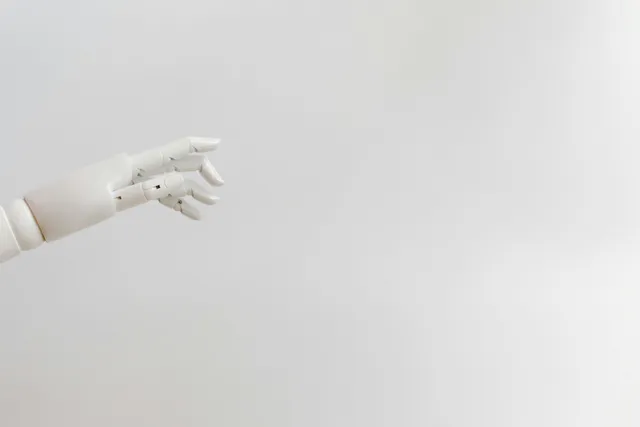
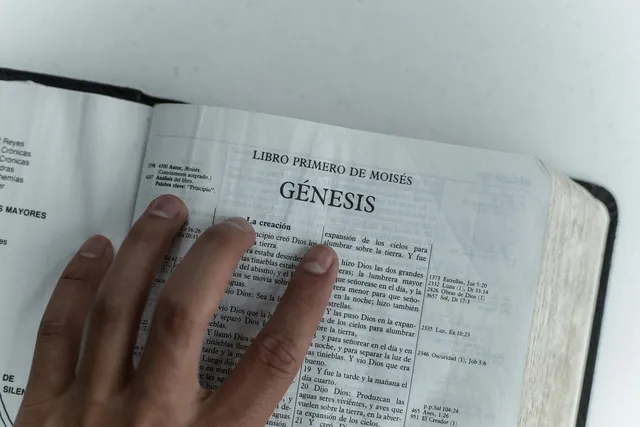
There has never been a moment quite like this one. Artificial intelligence, once a distant dream of science fiction, is now shaping daily life - from the way we search for information to how we create art, write stories, and even explore faith. As followers of Christ, we find ourselves called not to fear this wave of innovation, but to discern it through the lens of Scripture. What does the Bible say about human creativity - and how might those truths guide us as we engage with AI?
Created to Create
At the heart of the biblical story lies a breathtaking truth: human beings are made in the image of God (Genesis 1:27). This means more than physical resemblance - it points to spiritual, moral, and creative reflection. The first thing we learn about God is that He creates. The opening verses of Genesis paint an extravagant scene of divine imagination: light and shadow, oceans and stars, texture and color, all singing together in harmony.
When God shaped humanity, He invited us into that creative rhythm. To be human is to participate in God's artistry. We were never made merely to consume- we were called to cultivate. That calling stretches from Adam tending the garden, to Bezalel crafting the holy furnishings of the tabernacle (Exodus 31:1-5), to modern artists composing songs, coding software, or painting canvases. Each act of creativity-whether brushstroke or algorithm-has the potential to echo heaven's design.
The Imitation and Reflection of Divine Imagination
Human creativity is not a rebellion against God but a reflection of His generosity. Theologian Dorothy Sayers once wrote that when we create, we are fulfilling our nature as image-bearers of the Creator. Yet, in a digital age defined by speed and automation, creativity can sometimes feel mechanized or hollow. Machines now generate poems, symphonies, and images; what do we make of this new capacity?
AI can produce, but it cannot worship. It can rearrange patterns, mimic voices, and analyze styles, but it does not feel awe or gratitude. That distinction is profoundly theological: creativity becomes sacred not because of what is made, but because of who the maker is. Only human beings-and no algorithm-can respond to beauty with reverence, or offer their craft back to God in love and humility.
The Gift and the Boundary
There is wisdom in recognizing both the gift and the boundary of our inventions. The Tower of Babel (Genesis 11) reminds us that human ambition, when divorced from reverence, can spiral into pride. The builders of Babel sought to "make a name" for themselves, desiring their creation to reach the heavens. Innovation, unguided by faith and humility, always risks becoming an idol. Yet, when harnessed as a means to glorify God and serve others, human creativity remains one of the purest expressions of divine image-bearing.
The Meaning of Human-Made Intelligence
Artificial intelligence invites us to consider a deeper question: What does it truly mean to be human? If we can design systems that mimic understanding, generate ideas, and engage in conversation, what then is the soul's role? The Bible does not mention AI directly, but it says much about the nature of life and wisdom. "The Lord gives wisdom; from his mouth come knowledge and understanding" (Proverbs 2:6). There is a kind of knowing that can only come from the breath of God.
AI operates on data; it can simulate compassion, but cannot possess love. It can process language, but cannot pray. The difference between intelligence and wisdom is the difference between circuitry and spirit. Only God breathes life-and that gift is uniquely entrusted to humankind.
The Stewardship of Innovation
In Genesis 2:15, Adam is placed in the Garden "to work it and take care of it." That charge embodies stewardship-using creativity to nurture, not exploit. Our relationship with technology should reflect that same balance. We are called neither to reject innovation out of fear nor to embrace it without discernment. Instead, we are invited to ask: How can this tool serve love, truth, and human flourishing?
Christians in every generation have faced new tools: the printing press, the radio, the internet. Each brought opportunities to spread the gospel further-but also temptations to distort or distract. AI stands in that same lineage. When used wisely, it can empower ministries, amplify creativity, and connect communities of faith across the world. But when used carelessly, it can diminish the spiritual discernment needed to recognize God's voice amid the digital noise.
Human Creativity as Worship
Every act of faithful creation traces back to worship. Whether you are composing a melody, writing a sermon, or designing software, the posture of your heart determines the holiness of your work. Colossians 3:23 offers a simple but transformative reminder: "Whatever you do, work at it with all your heart, as working for the Lord." When creativity becomes an offering, it transcends self-expression and becomes participation in divine praise.
In contrast, creativity that seeks self-glory or dominance edges into idolatry. The story of Babel, the warnings of Proverbs, the humble obedience of Jesus-all reveal that the purpose of creation is not to rival God, but to reveal Him. Where human creativity aligns with divine intention, beauty and truth spring forth. Where it diverges, confusion and emptiness follow.
Collaborating with God
God could have painted the skies without clouds, or chosen flowers with no variance. But He designed a world overflowing with diversity and imagination, and then invited us to join Him in tending and expanding it. What an invitation-to be co-creators with the Author of all things. AI, then, should not replace that engagement but inspire us to reflect on what makes our creativity uniquely alive. We are collaborators in a symphony that machines can only approximate, not experience.
Artificial Intelligence and Humble Wonder
One of the most practical spiritual disciplines in this conversation is wonder. In Psalms 8, David marvels: "What is mankind that you are mindful of them, human beings that you care for them?" His question is as relevant in our digital century as it was on the ancient hills of Judea. To behold a world of algorithms and neural networks should not lead us to despair, but to awe-at the extraordinary intelligence God instilled in humanity to even imagine such things.
When we stand before the power of AI, we stand again before mystery. How could a finite creature conceive of a machine capable of learning? How could electricity and code reflect even a whisper of the creative mind of God? These questions are not threats to faith but invitations into deeper reverence. AI reminds us that our curiosity, like our conscience, points to a Creator who delights in discovery.
Guarding the Soul in the Digital Age
Yet wonder must be matched by watchfulness. Technology, however dazzling, can subtly reshape our understanding of worth and identity. If we begin to measure creativity by efficiency or novelty alone, we risk forgetting that the most sacred creations are often slow, tender, and deeply human. The silence before prayer. The fragile beauty of a hand-written note. The courage of forgiveness-none of these can be automated.
In this sense, the call of faith is not to outthink the machine, but to outlove it. The world needs not only intelligence, but wisdom shaped by compassion. Only souls attuned to the Spirit can bear that light.
The Future Belongs to the Faithful Creator
It is easy to feel uncertainty about what lies ahead. Will AI reshape jobs, imagination, even ministry? Perhaps. But the Bible's rhythm of creation and redemption reminds us that the future is never ruled by human invention alone. "The earth is the Lord's, and everything in it" (Psalms 24:1). God is never caught off guard by our tools or our questions. He remains sovereign over every algorithm, every circuit, every new horizon.
In the end, the story of creativity is not about human achievement, but divine partnership. We build, but He sustains. We imagine, but He inspires. And even in the face of artificial minds, the Creator continues to whisper the same invitation He gave in Eden: to tend, to care, to create with love.
Creating in the Image of Hope
What does the Bible say about human creativity and AI? It tells us that creativity is holy, not because of our cleverness, but because we bear the imprint of a creative God. It reminds us that wisdom, not intelligence, is the truest mark of a flourishing spirit. And it calls us to approach every act of creation-from brushstroke to code-with reverence, humility, and joy.
AI may change how we create, but it can never replace why we create. The spark of divine imagination within us remains untouched by circuitry. As long as there are hearts that seek God, there will be creativity that sings of His glory. So whether you find yourself painting, programming, preaching, or pondering, remember this: You are a reflection of the Creator's own relentless inventiveness. Use your gifts with faith, let your work become worship, and trust that even in the most complex technologies, the Spirit of God is still moving-guiding humanity toward wisdom, wonder, and new beginnings.