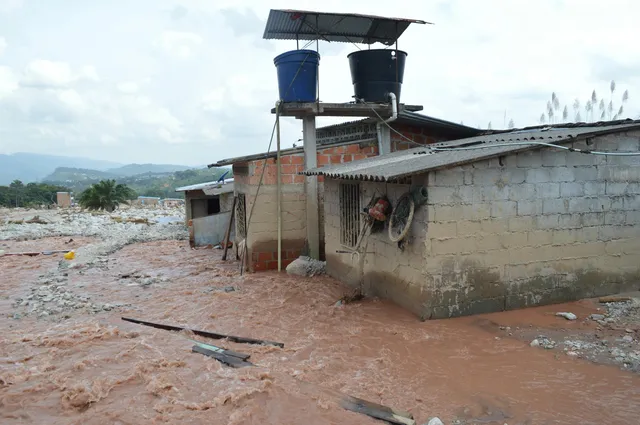
The book of Revelation has always stirred both wonder and trembling. It's the Bible's grand finale-majestic, mysterious, sometimes unsettling. Yet beneath the visions of beasts, trumpets, and judgments lies a breathtaking story about renewal, hope, and divine faithfulness. Revelation is not merely a cryptic code; it is a promise that God will, in His time, set the world right. Understanding what it says about the future of the earth is not just about studying prophecy-it's about anchoring our hope in the One who holds the future itself.
The Earth in the Grand Story of God
From Genesis to Revelation, the Bible traces the story of creation, fall, redemption, and restoration. What begins in a garden ends in a city-yet it is still a story about God dwelling with His people on a renewed earth. The first chapters of Genesis show humanity entrusted with the care of a very good creation; the final chapters of Revelation show that same creation healed and transformed under Christ's lordship.
Revelation 21:1 declares, "Then I saw a new heaven and a new earth, for the first heaven and the first earth had passed away." Many imagine this as a replacement-a cosmic do-over-but the Bible's vision suggests something deeper. The word "new" in Greek (kainos) implies not brand-new in substance, but renewed in quality. In other words, God will not discard His world; He will redeem it.
The Groaning and the Glory
Right now, creation groans. The apostle Paul wrote in Romans 8:22 that "the whole creation has been groaning as in the pains of childbirth." That's the story Revelation continues. The turmoil, the earthquakes, the famines, the judgments-they mirror a creation in the throes of transformation. The pain isn't meaningless; it's part of the process of God bringing forth something new.
Each seal, trumpet, and bowl in Revelation speaks of unveiling-not only the kingdom of Christ but also the futility of every world system that refuses His reign. The earth's future is not about its destruction for destruction's sake; it's about purification, justice, and rebirth. The cries of creation will be answered by the Song of Songs of the redeemed.
When the Heavens Open
At the heart of John's vision stands the Lamb-the crucified and risen Jesus-who alone can open the scroll of history. This is more than symbolic. It means the earth's destiny is not random or chaotic; it unfolds according to divine will. Every storm, every shaking, every mysterious seal serves the greater purpose of revealing the Lordship of Christ over all creation.
The Throne at the Center
Revelation repeatedly draws our attention to a central throne. Around it break forth songs of worship: "Holy, holy, holy is the Lord God Almighty, who was, and is, and is to come." The imagery is clear: before the ground trembles, before the seas roar or stars fall, heaven is already settled. God reigns.
That throne is the anchor of history. It's what keeps the people of God steady when the world reels. John wrote to communities facing persecution, and his message still speaks to those who feel threatened by change or chaos: look up, remember who's on the throne, and take heart.
The New Jerusalem: Heaven Touching Earth
The climax of Revelation is not the escape of souls from earth but the descent of heaven to earth. John writes, "I saw the Holy City, the new Jerusalem, coming down out of heaven from God" (Revelation 21:2). This is a staggering reversal of expectation. The story ends not with us going up, but with God coming down.
This means that the earth's destiny is not abandonment but restoration. The "new earth" will be the stage of eternal life, radiant with God's glory. The walls, gates, and streets of that city are images of perfect fellowship-creation itself woven into worship. The curse that fractured relationships, twisted ecosystems, and darkened understanding will be fully undone. "There will be no more death or mourning or crying or pain, for the old order of things has passed away" (21:4).
A World Washed Clean
Revelation's imagery of fire often leaves readers uneasy, but in Scripture fire frequently symbolizes cleansing. It refines rather than annihilates. When Peter speaks of the elements melting with fervent heat (2 Peter 3:10-13), the goal is not ruin but renewal-so that "a new heaven and a new earth, where righteousness dwells" may emerge. In the same way, Revelation's plagues and judgments prepare the soil of the cosmos for the coming kingdom of peace.
Pain and purification-scripturally-always precede resurrection. Just as Jesus' body bore the wounds of suffering and yet was glorified, so too will God raise the earth itself in transfigured beauty.
Nature in the Kingdom to Come
It's easy to imagine heaven as ethereal, but Revelation draws a portrait rich with physical imagery: rivers, trees, gold, jasper, fruit, and light. The river of the water of life flows from the throne, watering the tree whose leaves "are for the healing of the nations" (Revelation 22:2). It's paradise regained-but also advanced.
God's redemptive plan embraces all creation, not just human souls. Every mountain, ocean, and living thing has a future in the redemption of Christ. The prophets hinted at this when Isaiah spoke of the wolf lying down with the lamb, or when Hosea foretold a covenant with the beasts of the field. In Revelation, those prophecies bloom into eternity.
The earth will not be forgotten. It will sing. It will shine. It will be what it was always meant to be-a habitation of light where God's glory dwells without hindrance.
Living Today in Light of Tomorrow
What does this mean for how we live now? A great deal. The doctrine of a renewed earth rescues us from both despair and detachment. It reminds us that the physical world matters to God. How we care for creation, how we treat our neighbors, how we use our resources-all these things echo into eternity.
When we recycle, cultivate beauty, or act with compassion toward the environment and one another, we participate-if even in small ways-in God's larger work of restoration. Our stewardship today is a rehearsal for the kingdom to come.
Hope That Works
Revelation doesn't call us to speculation but to faithful perseverance. The book's vision is meant to stir endurance in the saints. "Behold, I am coming soon," Jesus says at the close (Revelation 22:12). Those words are both warning and comfort. They beckon us to live as if heaven's reality were already dawning-because it is.
Every act of love, every prayer whispered in faith, every tear wiped in compassion becomes a seed in the soil of the new creation. The heavenly city is built, in part, from the faithfulness of God's people who refused to quit believing in His promise.
The Earth's Future and the Heart's Future
At its deepest level, Revelation's picture of renewal is not just geographical-it's personal. The world's transformation begins with changed hearts. When Christ reigns in us, His kingdom begins to break through our small corners of the earth: forgiveness offered, wounds healed, relationships restored, hope resurrected.
The vision of the new earth should awaken a yearning-a holy homesickness-for the world as God intends it. That yearning doesn't push us to disengage from this life but propels us to imagine how Christ might already be invading our ordinary days with glimmers of eternity. The future reality casts a light that makes the present moment sacred.
The Final Word: Behold, He Makes All Things New
When John saw the radiant city, he heard a voice from the throne declaring, "Behold, I am making all things new" (Revelation 21:5). That's not future tense alone-it's present. God is already redeeming, already transforming, already turning despair into dawn. The restoration of the earth is not only a hope deferred; it's a work in progress.
Every sunrise, every reconciliation, every healing, every story of redemption whispers this truth. The same God who brings forth spring from winter will one day bring forth a renewed creation from this weary world. The earth's future, then, is not destruction-it's resurrection.
Living in the Light of the Lamb
The closing chapters of Revelation describe a world lit entirely by the glory of God. No night. No temple. No need for sun or moon, for "the Lamb is its lamp." Imagine a world where light comes not from a distant star but from the very presence of God. That light, Revelation says, will never fade-and neither will we. The nations will walk in it, the gates will never shut, the story will never end.
Hope That Shapes Our World
Revelation's vision of the earth's future isn't meant to frighten or confuse. It is meant to anchor hope. We live in the tension between what is and what will be, but we do so holding a promise: the Creator has not abandoned His creation. The cross was not an escape hatch from earth but the bridge leading to its renewal.
So, whether we face turbulence or tranquility, we can trust the Lamb who reigns. The same hands that were pierced for our redemption are shaping the destiny of the world. One day, all the brokenness we see-the storms, fires, wars, and wounds-will give way to a creation reborn. The garden and the city will meet; heaven and earth will kiss; and every heart that clings to Christ will find home.
Until then, we live faithfully, work joyfully, and hope boldly, knowing that the story's end is already written-and it ends not in ruin, but in radiant renewal. Indeed, behold-He is making all things new.