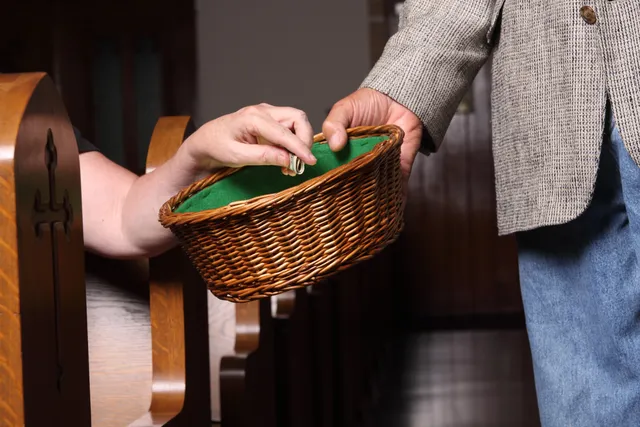
There is something profoundly human about the laying on of hands. A gesture so small, yet so charged with meaning. A hand upon a shoulder transmits comfort; a hand clasped in prayer transmits unity. Scripture from Genesis to Revelation echoes this language of touch-hands extended in blessing, anointing, healing, and commissioning. In an age where distance often defines our interactions, revisiting the biblical rhythm of touch reminds us that God's power is not abstract. It moves through people, through tangible gestures, through faith embodied.
The Ancient Gesture of Blessing
Long before the first miracle of Jesus' healing touch, the laying on of hands was an act of blessing and impartation. In Genesis 48, Jacob crossed his hands over the heads of his grandsons, Ephraim and Manasseh, passing on an inheritance of promise. Those hands were old and trembling, but still carried covenant authority. The touch signified a transfer-of favor, identity, and destiny.
Hands in Scripture often represented both authority and relationship. They were not magical instruments, but symbols of God's tangible involvement in human lives. When priests were ordained, hands confirmed their sacred calling. When sacrifices were offered, hands rested on the animal's head, signifying the bearing of sin. When prophets anointed kings, oil and touch joined heaven's decree to earth's obedience.
Each gesture told a story: God chooses to work through human touch, human connection, human participation. That truth prepares us to understand the radical tenderness of Jesus' ministry.
When Jesus Touched the Untouchable
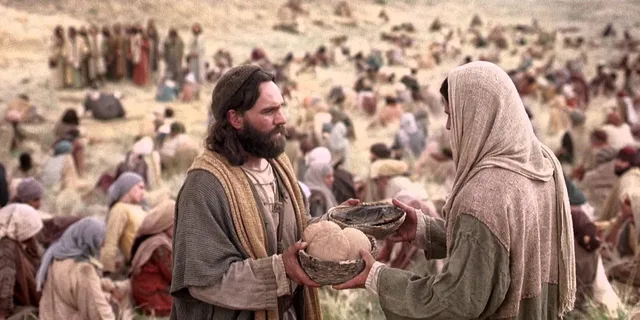
One of the most striking details of the Gospels is how often Jesus uses His hands. He did not heal from a sterile distance; He touched. Lepers, the blind, the child thought dead-all experienced the warmth of Christ's human hand. The Son of God did not recoil from impurity, but reached toward it. When Jesus reached out to a leper in Mark 1:41, it was not only skin that was healed-it was dignity restored, isolation shattered, and divine compassion made visible.
In that moment, His touch declared something the leper had longed to believe: "You are not beyond reach." This is the heart of divine healing-not only physical restoration, but the profound affirmation that we are seen, worthy, and loved. Jesus' healings were never mere displays of power; they were revelations of heart.
More Than Physical Healing
Every touch of Jesus carried layers of meaning. When He took Jairus's daughter by the hand and said, "Little girl, get up" (Mark 5:41), it was resurrection in miniature. When He touched Peter's mother-in-law, fever fled, and service returned-she rose and began to wait on others. The miracles bridged heaven and earth, showing that in God's kingdom, healing restores purpose, not just comfort.
And for the woman who dared to touch even the hem of His garment, the story reversed: instead of Jesus extending His hand, she reached first. That exchange-her desperation and His power-demonstrates that the divine flow of healing is not mechanical, but relational. Faith connects; love responds; healing flows.
The Early Church and the Commission of Touch
After the resurrection, when Jesus breathed the Holy Spirit onto His disciples, He gave them authority to continue His works. In Acts, we see that pattern repeated: the apostles lay hands to impart the Holy Spirit (Acts 8:17), to appoint leaders (Acts 6:6), and to bring healing (Acts 9:17-18). The same gesture that once conveyed blessing now became a conduit of resurrection power. The baton passed through touch.
When Ananias laid hands on the blinded Saul, scales fell and sight returned. It was an act of courage and faith-reaching out to the very man who had persecuted the Church. That simple touch carried reconciliation and transformation. God's power does not merely repair the body; it reorders the heart.
Apostolic Practice and Personal Faith
The apostles never treated the laying on of hands as ritualism. It was an act grounded in intimate relationship with the Holy Spirit. They understood that the hand becomes powerful only when surrendered to God. The outward act required inward alignment. When faith and obedience met, miracles blossomed; when pride or manipulation entered, the gesture emptied of life.
Even today, in communities of faith that practice the laying on of hands for healing, commissioning, or prayer, the meaning flows from the same well. The hand points to heaven while touching earth-a bridge between divine compassion and human need.
The Mystery of Touch in a Modern World
In our digital and disconnected century, where screens often replace handshakes and hugs, the simple act of physical touch has receded. Yet our souls still crave it. The Church, as the body of Christ, is called to reembody that sacred ministry of presence. We may not all be miracle-workers in the dramatic sense, but each of us is called to become vessels through whom comfort, peace, and faith flow.
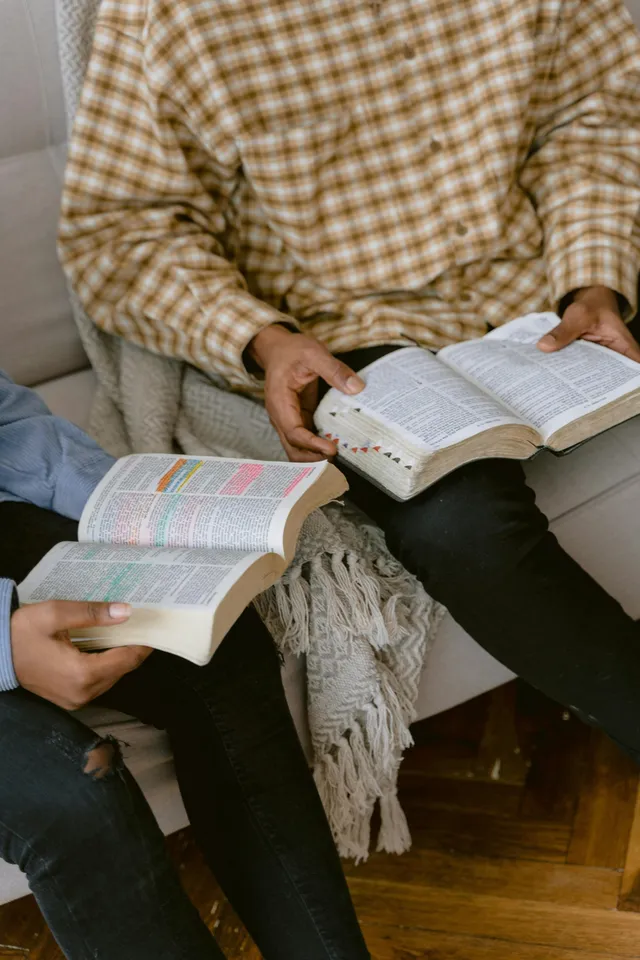
When we lay a hand on a shoulder to pray, when we hold someone's hand in grief, when we bless a child, we re-enact an ancient story-the same story that began in Eden and reached its fulfillment in Christ's embrace of the cross. Our hands, sanctified by His Spirit, become instruments of the same love that healed the sick and welcomed the outcast.
Faith, Power, and Humility
It's important to remember that the power of the laying on of hands is not in the hand itself, but in the faith behind it. Faith does not command God; it invites Him. The apostle James writes, "Is anyone among you sick? Let them call the elders of the church to pray over them and anoint them with oil" (James 5:14). Here, faith, prayer, oil, and community intertwine. Each element matters. Together, they reflect dependence on God-not technique, but trust.
When Healing Doesn't Happen
What of the times when we lay hands, pray fervently, and healing seems to delay or never come? Those moments invite deep faith, not disillusionment. God's hand is always at work, even when unseen. Sometimes the healing takes a different form-peace instead of cure, comfort instead of change, eternity instead of restoration. The same hands that once healed also bear the scars of crucifixion; those scars remind us that love sometimes redeems through suffering, not escape from it.
Our task is not to control what happens when we pray, but to remain faithful in the act of loving through touch, trusting that God weaves His purposes beyond our sight.
Hands That Carry Hope
When we consider the laying on of hands today, we are really contemplating the mystery of incarnation-God working through flesh, faith embodied. Every believer's hands can become an extension of Christ's compassion. Each hand laid in prayer whispers a silent truth: you are not alone; God is near.
Imagine if the Church recovered that simple courage to touch again-to pray not just from afar, but together, shoulder to shoulder, palm to palm. Imagine homes where family members bless one another with a hand on the head and a word of peace. Imagine hospital rooms filled with gentle, Spirit-led presence. The world is aching for that kind of nearness.
Living with Open Hands
In the end, the power of laying on of hands cannot be separated from the posture of an open heart. Open hands bless, pray, serve, and comfort. Closed hands grasp, control, and withhold. When our hands are open, they resemble the hands of Christ-outstretched on the cross, extended in resurrection, lifted in blessing. The invitation is clear: Let your hands become His hands.
We may never perform miracles that fill stadiums, yet each act of compassionate touch-each hand extended to the hurting, each shoulder embraced in silent prayer-is a continuation of God's healing story. The Spirit still moves through contact, through presence, through the sacred nearness of love. And when we trust Him, even our ordinary hands become conduits of extraordinary grace.
So lay hands when you pray. Bless your children. Comfort the sick. Hold the grieving. Do it humbly, do it faithfully, and do it with expectation-not of your power, but of His. For the same God who made healing through touch a sign of His kingdom still whispers through every faithful hand: Be clean. Be whole. Be loved.