Throughout the pages of Scripture, the stories of women unfold not as footnotes but as vital threads woven through the grand tapestry of redemption. These women-prophets, queens, widows, disciples, mothers-were not merely present; they were instruments of divine purpose. Their faith, courage, and obedience shifted the course of history and continue to whisper strength into the hearts of believers today. The world of the Bible may have been patriarchal, but God repeatedly chose women as vessels of His power, grace, and wisdom. Their lives remind us that when a woman says yes to God, history takes notice.
Mary of Nazareth: The Willing Heart That Bore Hope
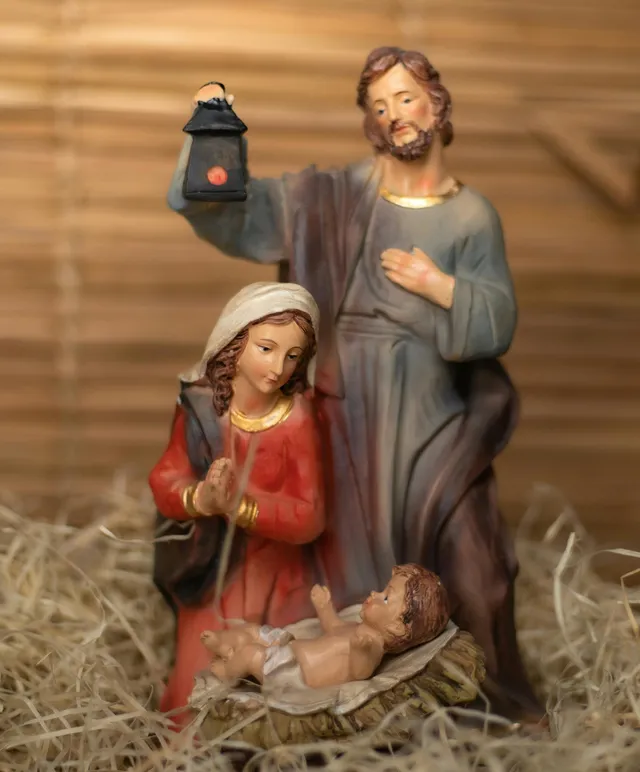
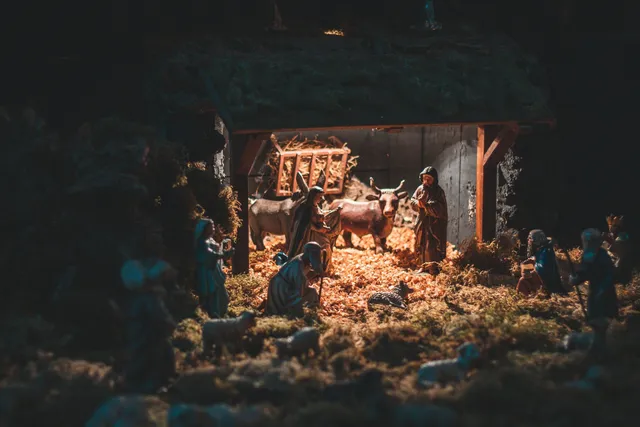
When the angel Gabriel appeared to Mary, a young girl from an obscure town in Galilee, history stood still waiting for one answer. Her words-"Let it be to me according to your word" (Luke 1:38)-carried a weight greater than empires. In the humility of obedience, Mary became the mother of God incarnate. Her surrender turned an ordinary moment into the miraculous intersection of heaven and earth.
Mary changed history through submission, not status. She did not sit on a throne or command armies; she simply said yes to divine promise. It's a reminder that the power of faith does not always shout-it sometimes whispers, trembling but steadfast. Through her, God taught humanity that greatness begins with surrender. Her life tells every believer that yielding to God's purpose opens the door for His greatest works.
Deborah: The Prophet Who Led a Nation
Long before leadership equality was debated, Deborah stood beneath her palm tree dispensing wisdom and justice to the nation of Israel (Judges 4). She was both prophet and judge, a woman of discernment who heard the word of the Lord and acted upon it with fierce conviction. When fear paralyzed the men of her time, Deborah called forth courage.
When Leadership Looks Like Faith
She did not seize control-she responded to calling. She stood beside Barak not as competitor but as encourager. Under her guidance, Israel found victory over its enemies, and her Song of Songs of triumph in Judges 5 reveals the heart of a leader who credited all glory to God. Deborah's legacy demonstrates that spiritual authority is not about position; it is about obedience to the voice of God.
In communities and families today, Deborah's story calls women and men alike to lead with humility, courage, and reliance on God. Leadership that begins in the prayer closet can change destinies more effectively than authority that begins in the spotlight.
Ruth: A Quiet Revolution of Loyalty
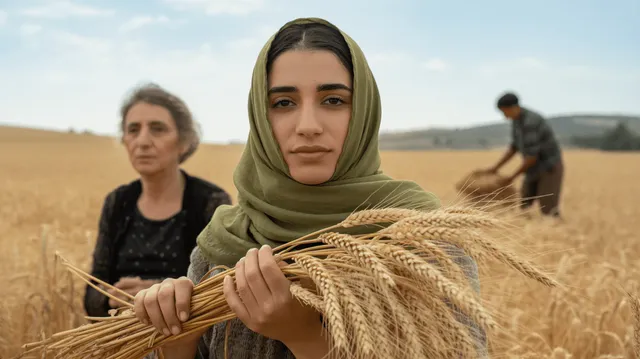
Where others saw a widowed outsider, God saw a lineage of kings and a foreshadowing of Christ. Ruth, a Moabite woman, could have returned to her homeland after tragedy struck, but instead she clung to Naomi, her mother-in-law, declaring, "Your people shall be my people, and your God my God" (Ruth 1:16). That pledge of loyalty would lead her to Bethlehem-to redemption, to love, and ultimately into the ancestry of Jesus Himself.
Ruth's story whispers a truth the world forgets: God writes eternal stories through everyday faithfulness. She was not trying to build a legacy; she was simply walking in love and devotion one decision at a time. Yet that steadfast love altered the course of nations. Every act of faith-every choice to stay when it's easier to leave-plants seeds that heaven alone measures.
Esther: Courage in the Face of Darkness
When Esther was crowned queen of Persia, it may have looked like coincidence. But Scripture reveals that divine purpose had placed her there "for such a time as this" (Esther 4:14). Her beauty opened doors, but her bravery saved a people. Faced with the annihilation of her nation, Esther risked her life to plead before the king.
Esther's courage teaches that destiny often hides behind ordinary circumstances. Sometimes God positions us in unexpected places for reasons only eternity will reveal. Her story calls each believer to use influence for good, to speak when silence costs lives, and to trust that divine favor is never accidental. Esther's presence in the palace reminds us: where God plants us, He intends to shine through us.
The Hidden Power of Preparation
Before Esther ever entered the throne room, she spent seasons being refined-literally and spiritually. God uses preparation to test obedience and faith. The moments we consider delays may be divine appointments forming courage within us. Esther's fasting and prayer before her approach to King Xerxes stand as a timeless example: when decisions hang between fear and faith, prayer becomes the bridge of courage.
Hannah: The Prayer That Opened Heaven
In the quiet anguish of barrenness, Hannah poured out her heart to the Lord (1 Samuel 1). Her tears and prayers became the birthplace of one of Israel's greatest prophets-Samuel. Hannah's story illumines the sacred power of intercession. Her womb was closed, but her faith was not. She brought her pain before God, and in doing so discovered His miraculous answer.
Hannah reminds us that unanswered prayer can still be holy ground. Her persistence reveals that God values authenticity over perfection. Every whispered plea, every broken cry, is a seed of faith in the soil of divine timing. And when her prayer was answered, she gave back her answered prayer to God. Worship followed victory. Surrender followed blessing. Hers is a model for anyone who has ever prayed through tears: what we entrust to God is never lost.
The Samaritan Woman: A Messenger Born of Mercy
In John 4, the unnamed Samaritan woman encounters Jesus at the well. Society labeled her outcast; Jesus saw a missionary in the making. Their conversation began with thirst but ended with transformation. She who had been shunned became the first evangelist to her community, boldly proclaiming, "Come, see a man who told me everything I ever did."
This woman's transformation reminds us that divine appointments often meet us in our deepest shame. Jesus chose her-intentionally, compassionately-to demonstrate that no past disqualifies us from being messengers of grace. The gospel's reach is wider than our wounds. Through her, we see that healing becomes complete when shared. Once living in hiding, she returned to town unafraid, carrying living water within her soul.
Mary Magdalene: The First Witness of Resurrection
When dawn broke on the third day, it was not the apostles who first saw the risen Christ-it was Mary Magdalene. Once delivered from darkness, she became the first herald of ultimate hope. Jesus entrusted the announcement of His resurrection to a woman once deemed broken. In doing so, He rewrote human hierarchies, placing redeemed love above reputation.
Mary's unwavering devotion led her to the tomb while others hid in fear. Her tears became testimony. Every believer who has walked through doubt can see themselves in Mary-clinging to faith in the midst of confusion yet encountering the Living Savior who calls us by name. The resurrection story began not with power, but with personal relationship. God let the dawn of new creation be seen first through faithful eyes washed with tears.
Priscilla: Faith and Teaching in Partnership
In the early church, Priscilla and her husband Aquila stand as a remarkable pair of co-laborers in the gospel. Together they taught Apollos, a man "mighty in the Scriptures," guiding him more accurately in the truth (Acts 18). Priscilla's inclusion as an equal teacher affirms the value of women's voices in shaping theology and faith.
Her ministry was one of hospitality and intellect. She opened her home, her heart, and her mind to the work of the Spirit. The early church often met in her household, and through that sacred domestic space, the gospel was multiplied. Priscilla's life reminds modern believers that ministry does not depend on a pulpit; it begins at the table, where truth and grace meet over bread and conversation.
Lessons from Their Legacy
Across centuries and circumstances, these women share a common thread-they allowed divine purpose to override personal limitation. Whether through leadership, prayer, suffering, or service, each demonstrated that faith is not about circumstance but about choice. They remind us that holiness can thrive in the marketplace as well as the sanctuary, in the fields as much as in the temple.
In a world that often measures worth by speed, strength, or visibility, these stories call us back to the rhythm of God's kingdom, where courage looks like quiet obedience and impact is born of intimacy with Him. What linked Mary of Nazareth and Priscilla, Ruth and Deborah, Esther and the Samaritan woman? It was a willingness to step beyond fear into faith-trusting not in what they could control, but in the One who could redeem and renew.
Walking in Their Footsteps Today
Every generation needs its Marys and Deborahts, its Ruths and Esthers-women (and men) who believe that faith still moves history. The call is not to imitate their circumstances but their surrender. Their courage takes root when we open our own lives to God's transforming work, whatever our sphere may be.
When a mother prays for her children, a teacher encourages her students, a nurse extends compassion, or a leader speaks truth with grace, the same Spirit who empowered Deborah and Mary Magdalene breathes through them. The same courage that filled Esther pulses quietly in hearts that dare to stand for what is right. Faith has never been reserved for the stage of miracles; it lives in kitchens, offices, fields, and classrooms. God still writes history through the ordinary yielded life.
May we, like the women of Scripture, be found faithful in our generation-rooted in grace, resolute in prayer, radiant with hope. For when faith takes hold of a willing heart, history once again bends toward redemption.