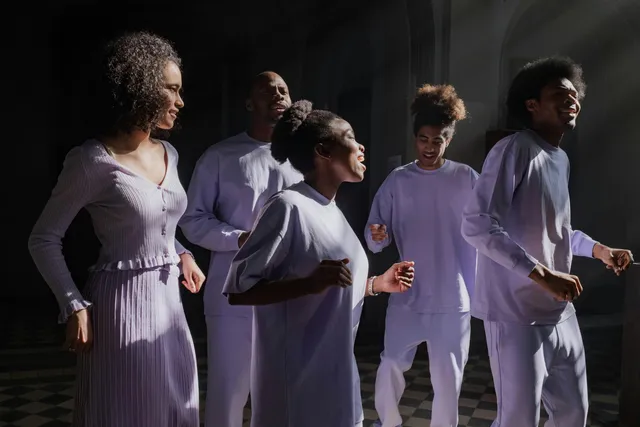
In moments of stillness, when the heart feels heavy and the mind swirls with anxious thoughts, something mysterious happens when we turn our gaze heavenward. Worship is not merely an act of singing or reciting words-it is an encounter that aligns soul, spirit, and mind with the rhythms of God's presence. While modern life often fragments our attention and depletes our peace, worship invites us to re-center, to breathe again in the atmosphere of divine love. And that encounter does something profound-it renews mental health in ways both seen and unseen.
The Quiet Science of the Soul
While science observes the brain's response to gratitude, music, and meditation, the believer knows these responses spring from something deeper-a truth written into our design by the Creator. We were made for communion. The Psalms, those ancient songs of the human spirit, reveal this connection vividly: joy, sorrow, anxiety, and hope all find their rightful expression in the presence of God. When David poured out his anguish before the Lord, he wasn't performing-he was being healed. His worship became the conduit through which despair turned into trust.
Modern research underscores what Scripture has long declared-that practices of gratitude and praise lower stress hormones, improve mood, and strengthen resilience. But there's a beautiful distinction between generic mindfulness and genuine worship. Worship isn't about escaping reality; it's about facing it with God beside you.
Worship as Reorientation
Everyday life often pulls us off center. We're bombarded with messages that whisper, "You're not enough," or "You're falling behind." Over time, these voices can shape our mental landscape, producing exhaustion and insecurity. But worship interrupts the noise. It reorients our vision from self to Savior. The psalmist captures this shift beautifully: "Why, my soul, are you downcast? Put your hope in God, for I will yet praise Him" (Psalms 42:11).
Worship realigns the heart with truth. When we declare God's faithfulness aloud, our anxieties begin to lose authority. The words we speak in worship remind our minds of realities stronger than our feelings. We're not manufacturing positivity; we're remembering promise.
The Power of Focused Attention
Modern psychologists talk about "attentional control" as key to emotional regulation. In worship, that principle finds its sacred form. When we fix our minds on God's character-His goodness, His mercy, His sovereignty-our attention shifts away from fear. Isaiah 26:3 promises, "You will keep in perfect peace those whose minds are steadfast, because they trust in You." In a world of distraction, worship trains the mind toward peace.
The Emotional Honesty of Worship
Real worship isn't sanitized. The Book of Psalms is full of cries, questions, and confessions. David doesn't hide his depression, grief, or anger-he brings them before God. That act alone is restorative. Emotional honesty in God's presence releases the weight of secrecy. When we stop pretending we're fine and start worshiping from where we truly are, something sacred unfolds: the Lord meets us in truth, and the truth begins to set us free (John 8:32).
This is where worship becomes therapy for the soul. Where our own words fail, God gives us words through Scripture and Song of Songs. We begin by whispering perhaps, then rise to singing, and finally find our voices strengthened by the Spirit. In that holy exchange, sorrow becomes soil for peace. Worship doesn't deny pain-it redeems it.
From Performance to Presence
Many struggle because they equate worship with a performance-something to be done perfectly or publicly. But God is not grading how well we sing. He is responding to the posture of a humble heart. When Mary of Bethany broke her jar of perfume, her worship wasn't polished; it was extravagant surrender. Jesus called it beautiful. So it is with us: worship that springs from weakness often carries the most healing power.
Worship in Community and Connection
There's a unique grace that flows when worship becomes shared. Standing among other believers-voices rising in harmony or trembling in quiet prayer-we remember that we're not alone in this journey. Communal worship stitches the torn fabric of isolation back together. It reminds us that our faith is not a solitary endeavor but part of a larger symphony.
Corporate worship engages not only our voices but our empathy. When we sing beside someone who has also known loss and yet still proclaims God's faithfulness, our own hope flickers brighter. The Spirit binds our hearts together, and through that unity, mental burdens lift. Loneliness, one of the most painful contributors to poor mental health, meets its counterforce in the fellowship of worship.
When Words Fail: The Healing Power of Silence and Song
Worship is not only sound-it's also silence. The quiet spaces between songs often become the most profound encounters. Romans 8:26 reminds us that the Spirit intercedes for us with groanings too deep for words. In those still moments, we sense His presence filling the unspoken gaps. Stillness in worship is not emptiness; it's divine exchange without words.
Music, too, carries healing power. Melodies frame emotion in ways speech cannot. God designed us to respond physiologically to sound. Uplifting worship can slow heart rate, release dopamine, and shift neural patterns toward joy. But beyond neurochemistry, what makes worship transformative is that it directs that joy back toward its Source. The result isn't mere emotional uplift-it's spiritual recalibration.
Worship as Daily Practice
Too often we relegate worship to Sunday services or special moments. But its mental health impact deepens most when woven into daily life. Think of small, sacred choices: turning a morning commute into prayer, whispering gratitude before sleep, or placing Scripture verses in places that catch your eye during chaotic days. Each act of worship, no matter how small, builds an atmosphere where peace becomes familiar rather than rare.
Over time, daily worship forms a kind of spiritual muscle memory. When anxiety hits, your heart already knows where to turn. That's what Paul meant when he urged believers to "pray without ceasing" (1 Thessalonians 5:17). It's not a command to recite endless words; it's an invitation to live attuned to God's nearness.
Integrating Worship and Mental Health Practices
Faith and psychology need not compete. Many believers find that therapy, journaling, and healthy lifestyle habits complement their life of worship. What makes the difference is foundation. When worship saturates those practices, they move from self-help to soul-care. Journaling becomes a Psalms; breathing exercises become prayer; therapy sessions become encounters framed by grace. All healing ultimately finds its anchor in the One who made us whole.
Worship in the Dark Seasons
Perhaps the hardest and holiest worship happens when life hurts. Seasons of depression, grief, or burnout can make it nearly impossible to lift our voices. But as Hebrews 13:15 urges, we can bring God a "sacrifice of praise." It is costly precisely because it's offered in pain. And in that sacrifice, something supernatural occurs: God meets us with comfort that this world cannot give.
When Job sat in ashes, stripped of everything, he fell to the ground and worshiped. The mental resilience of that act defies logic-it reveals trust deeper than circumstance. Worship in darkness declares: God is still worthy, and I am still His. Over time, this declaration heals the inner fractures of despair, bit by bit, breath by breath.
Transformation Through Adoration
Ultimately, the mental impact of worship goes far beyond temporary relief. Worship doesn't just soothe the mind; it transforms it. Romans 12:2 speaks directly into this mystery: "Be transformed by the renewing of your mind." When we behold God's greatness, our thought patterns begin to change. Fear gives way to faith, control to surrender, scarcity to gratitude. Worship teaches our brains-and hearts-what truth feels like, until peace becomes our default environment rather than an occasional visitor.
Worship is discipleship for the mind. Each time we choose praise over panic, trust over worry, gratitude over complaint, we carve neural pathways that reflect heaven's order. In a sense, every act of worship is a quiet rewiring toward wholeness.
Living as Worshippers
What if worship wasn't something we did but an identity we embraced? To live as a worshipper means inviting God into every corridor of life-work, relationships, struggles, and small joys. It means making the presence of God a daily dwelling, not a weekend destination. When worship infuses ordinary moments, mental health shifts from fragile to fortified, because the mind now rests in divine companionship.
So we return to where we began: the heart, the mind, and the soul united in the presence of the One who made them. Worship doesn't erase life's challenges, but it reframes them in eternal perspective. It clears the fog and reminds us that peace is not found in control, but in surrender. As we lift our voices and our hearts, we encounter the healing rhythm of heaven-steady, restoring, and infinitely kind.
May our lives become ongoing songs of adoration. For in worship, the restless mind finds rest, the anxious heart finds anchor, and the weary soul finds home.