Stand at the edge of a quiet lake at sunrise and watch as the mist curls over the surface like a living breath. The light slides across the water, painting it in gold. In that moment, many Christians feel the same quiet awe the psalmist expressed: "The heavens declare the glory of God; the skies proclaim the work of His hands" (Psalms 19:1). Creation has always spoken to the soul that listens. For followers of Christ, it is more than scenery-it is Revelation, artistry, testimony, and invitation all at once.
The Whisper of the Creator in the World Around Us
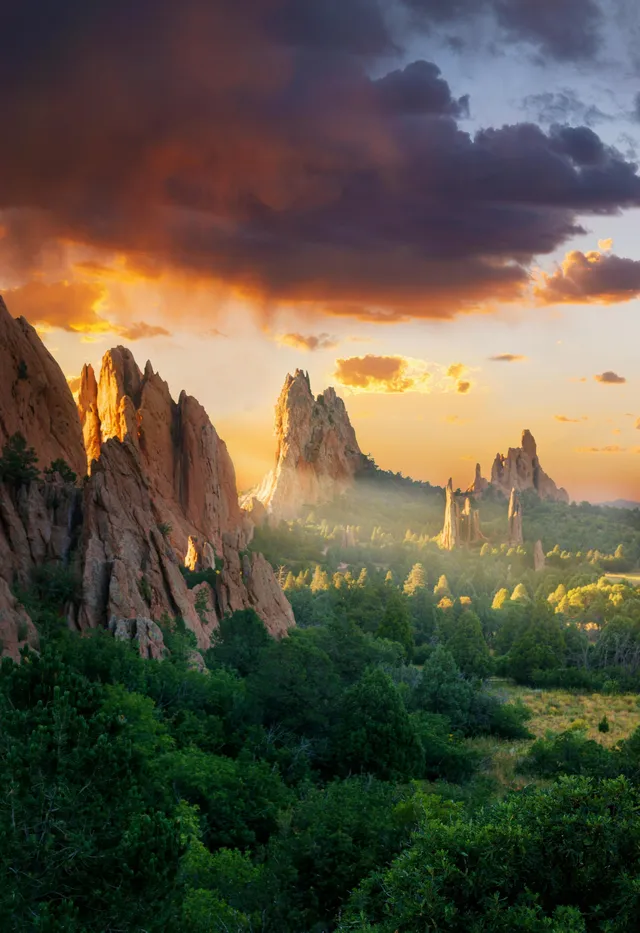
There is a sacred rhythm to the world that seems to pulse with divine presence. Mountains lift like hymns, rivers hum ancient melodies, and stars scatter like promises in the dark. The natural world doesn't just exist; it tells of Someone. When Christians gaze at creation, they see more than ecosystems or weather patterns-they see reflections of the Creator's heart and character.
Beauty becomes a form of theology. The symmetry of a snowflake or the persistence of a seed pressing through soil reveals complexity formed out of love, not coincidence. Jesus Himself used the created world to speak truth: He pointed to lilies to describe God's provision (Matthew 6:28-30) and to sparrows as proof of the Father's tender attention (Matthew 10:29). The natural world was His object lesson, His palette of parables.
Creation as a Mirror of Grace
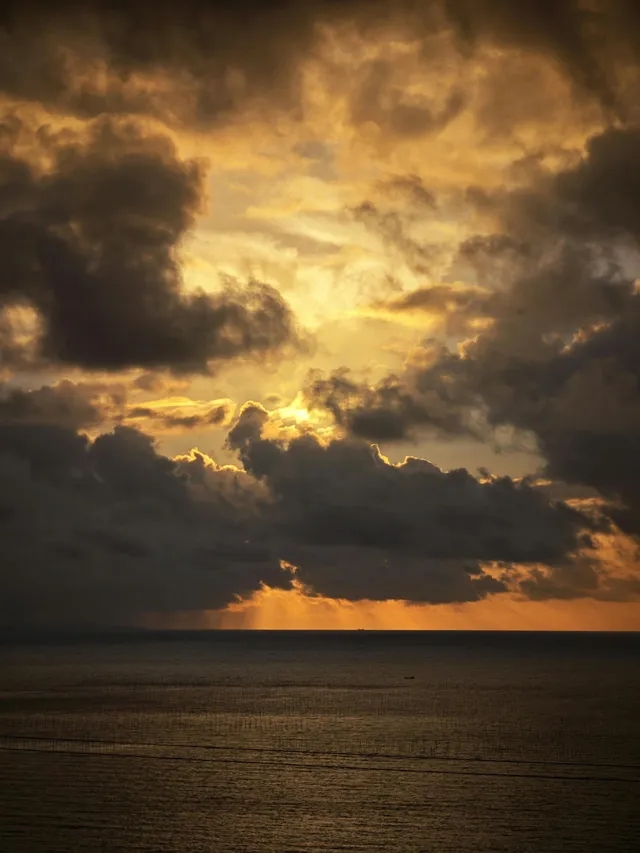
One of the mysteries of faith is how creation, though fallen, still points toward redemption. Every sunrise proclaims resurrection-the night cannot last forever. Seasons preach the possibility of renewal. Even the decay of autumn whispers of new life buried, awaiting spring. When we look closely, the rhythms of creation echo the Gospel itself: death leading to life, loss yielding to beauty, and time nurturing transformation.
Walking with God in the Garden of the Everyday
Christians have often found renewal and inspiration by stepping into nature-not as an escape from the world, but as a meeting place with God. To walk through creation is, in a sense, to walk through God's thoughts made visible. Many believers describe moments of acute clarity while hiking, tending a garden, or simply watching clouds drift in silence. That quiet and humble encounter resets the heart's compass.
The Scriptures recount many such sacred encounters. Moses met God amid desert sand and a burning bush. Elijah heard His voice in the whispering wind after earthquake and fire. Jesus sought solitude on mountain sides to pray. The pattern is clear: creation becomes a sanctuary where the soul can listen again.
The Practice of Listening
The challenge for modern disciples is slowing enough to hear creation's testimony. In a noisy, digital world, silence feels foreign. Yet each birdcall, each rustle of leaves is a reminder that God's world is alive with praise (Psalms 96:11-12). The act of listening becomes devotional-an embodied prayer. Those moments are not about information but transformation: watching a thunderstorm or hearing ocean waves can restore perspective, humility, and awe.
The Creative Spark: How Nature Fuels Christian Imagination
Christian poets, painters, and songwriters have long found their muse under open skies. The language of faith often borrows from the language of nature: light, river, vine, seed, and tree. Creation doesn't merely inspire worship; it inspires creativity. When believers create art, music, or stories that echo the beauty of the world, they participate in a divine tradition-joining the Creator in the work of making new things.
Consider St. Francis of Assisi singing with unguarded joy to "Brother Sun" and "Sister Moon," or contemporary worship leaders finding metaphors in rain and fire to capture God's presence. Creation gives vocabulary to what human language alone cannot hold. It's not sentimental-it's theological. The visible world becomes a launching point into invisible realities.
Called to Stewardship and Wonder
When creation inspires, it also convicts. To see the world as Revelation is to feel responsible for its care. Christians recognize that the earth is not simply a backdrop for human history-it's a gift entrusted to our stewardship (Genesis 2:15). The awe we feel before a mountain or coral reef is not only admiration; it's a call to honor the Creator through preservation, gratitude, and reverence.
Environmental care, then, isn't separate from devotion-it's an act of worship. The more Christians draw inspiration from creation, the more they grow aware of its fragility and of our shared calling to guard it. Inspiration leads to participation: in Christ, beauty calls forth responsibility.
When Creation Speaks to the Suffering
It's one thing to find God in the beauty of a sunset. It's another to hear His voice in the storm. Yet many believers have testified that during grief or confusion, creation's presence becomes tenderly healing. The changing seasons remind us that no winter endures forever. The strength of mountains whispers that stability exists beyond our turmoil. Even in desolation, there is rhythm, order, and quiet hope.
Creation becomes a gentle preacher to the weary. When Elijah fled into despair, it was not grand miracles but rest beneath a broom tree, bread baked on stones, and the stillness of the wilderness that began his restoration (1 Kings 19). God used the simplicity of His created world to minister when words were too heavy. He still does.
To sit under open sky and breathe deeply is a type of prayer. It's as if the soil itself holds memory of peace we have forgotten. Many Christians find that creation helps reawaken trust-the awareness that God sustains all things, including our fragile hearts. Romans 1:20 assures us that His eternal power and divine nature are clearly seen, being understood from what has been made. Even in chaos, creation testifies that grace remains in motion.
Children of Dust and Glory
There's an ancient humility that comes from remembering we are made of the same dust as the ground we walk on. And yet, into that dust God breathes His image. Creation defines both our smallness and our worth. Christians look at the stars and echo the psalmist: "What is man that You are mindful of him?" (Psalms 8:4). Wonder does what pride cannot-it makes room for gratitude.
When believers contemplate creation, they rediscover their place in the divine symphony. We are notes, not the melody. Yet God chooses that our Song of Songs is significant. Inspiration, then, is not just about being moved by nature's beauty but about being placed rightly within the order of worship. Every cloud and creature joins the chorus; we add our voices through praise, work, and love.
The Everyday as Holy Ground
Part of Christian maturity is realizing that one doesn't need the Grand Canyon or a secret waterfall to feel close to God. A potted plant on a windowsill, a child's laughter carried through an open window, the smell of rain on dry soil-all these small sacraments reveal divine intimacy in ordinary moments. To see God in the microscopic as well as the majestic is to live with open eyes and awakened heart.
Creation's Final Word: Hope Restored
Scripture promises that creation itself is groaning, waiting for redemption (Romans 8:19-22). This longing echoes in every wilted leaf and eroded shoreline-yet it also sings of hope. The Christian vision of creation is not nostalgic but prophetic: the world is destined for renewal, not ruin. The inspiration found in creation today is a preview of what will be perfected tomorrow.
When believers draw strength, joy, or peace from creation, they are touching hints of the coming kingdom, when all things will be made new (Revelation 21:5). The beauty we experience now is both gift and promise-a reminder that Eden will one day bloom again.
Living with Eyes Lifted
So how do Christians find inspiration in creation? By looking with faith-shaped eyes. By listening with hearts that expect to hear God's whisper in rustling leaves. By letting the world's beauty awaken gratitude and the world's sorrow stir compassion. To be inspired by creation is to remember that life itself is holy ground, every breath an invitation to communion with the One who formed it all.
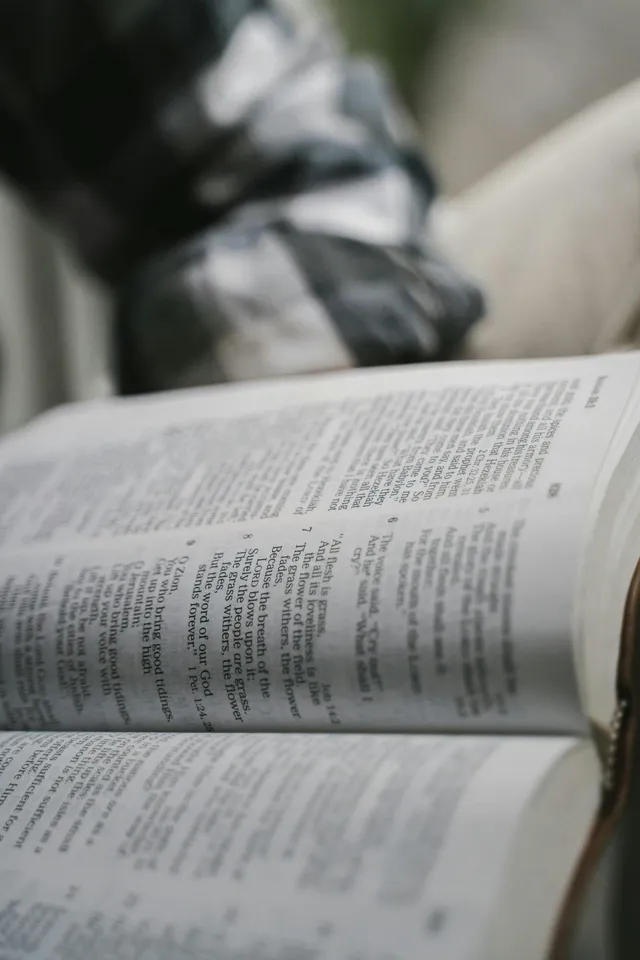
Each dawn, each raindrop, each mountain path is a page in the vast book of God's self-expression. We need only pause, read, and respond in love. In doing so, we discover that creation doesn't simply inspire us-it draws us closer to our Creator, teaching us again how to live in awe, humility, and praise.
And perhaps, as we lift our eyes to the heavens and notice the sparrows, we remember a truth that steadies the soul: we are part of this grand design, beloved and purposeful, invited always to join the chorus that never ceases to sing-holy, holy, holy is the Lord of all creation.