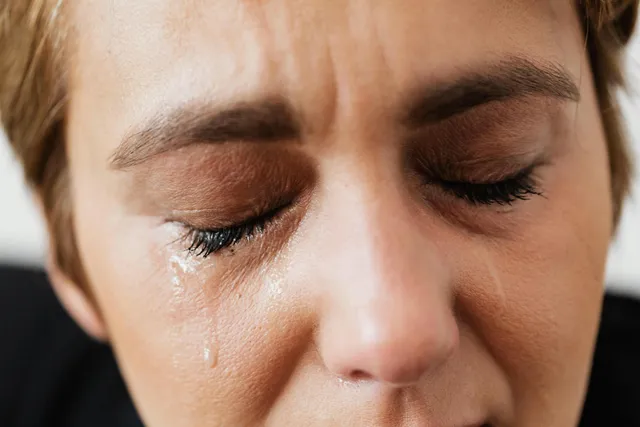
It's one of the oldest and hardest questions in the human heart: If God is truly good, loving, and all-powerful, why do bad things happen? Why do the innocent suffer? Why do prayers sometimes seem to go unanswered? Why does evil appear to succeed while faithfulness brings no reward? These are not abstract questions-they live in hospital rooms, in quiet tears after loss, and in the weary faith of those who have seen too much. Yet the question itself reveals something profound: a longing for justice, for goodness, and for the assurance that our pain is not the final word.
When the World Hurts, Faith Feels the Tension
Faith doesn't mean we never feel the weight of tragedy. In fact, faith often intensifies our awareness of how broken the world can be. The Psalms are filled with cries that sound very much like ours. "How long, O Lord? Will You forget me forever?" (Psalms 13:1). These ancient prayers remind us that wrestling with pain is part of the life of faith-not a failure of it.
Even Jesus, in His moment of deepest suffering, cried out, "My God, my God, why have You forsaken me?" He did not censor His anguish. That single cry reveals that our questions do not drive God away. They draw us closer to a Savior who understands them from the inside out.
The World Is Not as It Should Be
The existence of sorrow and evil was never part of God's good design. Genesis begins not with pain but with perfection. A world where everything God made was called "good." It was a place where harmony reigned-between God and humanity, humanity and creation, person and person.
But sin shattered that harmony. When Adam and Eve chose independence from God, they broke the relationship through which all creation found its balance. The result was what we see and feel today: decay, injustice, death. Humanity's rebellion brought a fracture that spread to every corner of existence. The Book of Romans says, "Creation has been groaning as in the pains of childbirth" (Romans 8:22). The world aches for redemption as much as we do.
Evil is not proof of God's absence; it's evidence of our separation from Him. Yet that separation was never meant to be permanent.
God Didn't Create Evil, but He Permits Freedom
One of the greatest gifts-and greatest risks-God gave humanity is free will. Love that is forced is not love at all. So God allows choice, knowing that love must be freely given to be genuine. That freedom allows for extraordinary goodness-compassion, creativity, sacrifice-but it also allows for cruelty, selfishness, and destruction.
The Mystery of Divine Permission
We may long for a world where God simply stops every act of evil instantly. But imagine what that would mean. Every misuse of freedom, every harmful intention stopped mid-thought-our autonomy erased. The very image of God in us, the ability to choose good over evil, would vanish. Instead, God does something far more astonishing: He works within freedom to redeem its consequences. He takes what was meant for harm and transforms it into something that reveals His glory.
Joseph in Genesis understood this deeply. Sold into slavery by his brothers, imprisoned unjustly, he later saw the divine pattern emerge: "You intended to harm me, but God intended it for good" (Genesis 50:20). In other words, what others meant for betrayal, God used as the route to deliverance.
God's Goodness Is Not the Absence of Pain-but the Presence of Purpose
We often equate "goodness" with comfort, safety, or ease. But Scripture paints a different portrait. God's goodness is not defined by a life free of hardship, but by His ability to bring meaning from the hardest places. When we pray for deliverance, we may receive transformation instead. When we seek relief, we may discover resilience. God's goodness can coexist with suffering because it is not limited by it.
Think of the cross. The worst act of injustice in human history-the crucifixion of an innocent man-became the very means of humanity's redemption. Evil did not get the last word; God did. Every time we stand in awe of the resurrection, we are reminded that God can turn a tomb into testimony.
When We Can't See the Whole Story
There are times when the reasons remain hidden. Like Job, we may face heartbreak without explanation. Job's story never offers a tidy answer-it offers a bigger God. When Job finally encounters the voice of God, his questions don't vanish because they've been answered; they melt away because he's met the One who holds the answers.
In moments of confusion, the question is not only "Why does this happen?" but also "Who is with me in it?" The goodness of God is never withdrawn; it's often most visible when everything else falls apart.
The God Who Suffers With Us
When we hurt, we naturally look for empathy. Christianity alone offers a God who suffers-not from weakness, but from love. Jesus did not remain distant from the world's pain. He stepped directly into it. He felt hunger, exhaustion, rejection, grief. He wept at a friend's tomb. The cross is not only the symbol of salvation; it is also the symbol of divine empathy.
God's response to pain was not an explanation; it was incarnation. He entered the story Himself. That changes everything. No tear goes unseen, no suffering uncounted. When we grieve, we grieve with One who bears scars of His own.
Redemption in Real Time
Even now, God is at work reshaping what's been broken. We see it in small redemptions-the reconciliation after years of silence, the unexpected comfort in seasons of loss, the courage to forgive what once felt unforgivable. Scripture assures us that nothing is wasted. Romans 8:28 declares, "In all things God works for the good of those who love Him."
Notice it says in all things, not apart from all things. Suffering doesn't disqualify us from encountering God's goodness; it often becomes the theater in which it shines most clearly. The very circumstances we wish away may become the soil from which deeper faith grows.
Faith That Sees Beyond Today
Hebrews 11 recounts countless lives that endured difficulty without seeing the full reward this side of eternity. Yet they lived by faith, trusting the character of God even when the evidence seemed thin. That's the invitation for us too-to cling not to explanations but to the unwavering truth that God is who He says He is.
Transformation Instead of Transaction
We often approach God hoping for a transaction: If I believe, You'll protect. If I obey, You'll bless. But faith is not a bargain-it's a bond. God is not a vending machine dispensing comfort; He is a Father cultivating character. Sometimes He allows storms not to punish us, but to shape us, to draw us closer, to reveal what trust really means.
In every test of faith, God aims not merely for our survival, but for our sanctification. Pain can purify our motives, deepen our compassion, and strip away illusions of self-sufficiency. We emerge not unscarred, but transformed-bearing the beauty of endurance and the quiet strength of those who've walked with God through fire.
The Long View: Eternity Changes the Question
If life ended at the grave, then "why do bad things happen" would be the most tragic question imaginable. But eternity shifts the equation completely. Scripture promises a future where every tear is wiped away, every injustice reversed, every wrong made right. The apostle Paul, who endured beatings, imprisonment, and betrayal, could still say, "Our present sufferings are not worth comparing with the glory that will be revealed in us" (Romans 8:18).
That's not denial-it's divine perspective. When we live with eternity in view, our pain finds context. The story isn't over yet. What feels senseless now may one day sing with meaning in a language only heaven fully understands.
Hope That Anchors the Soul
Hope does not erase sorrow, but it steadies us in its midst. Hebrews 6 calls hope "an anchor for the soul, firm and secure." Anchors don't remove the waves; they keep the vessel grounded through them. In the same way, hope in God's goodness doesn't guarantee an easy journey, but it promises that we will not be lost in the storm.
Choosing Trust in the Middle of the Mystery
There comes a moment-sometimes quiet, sometimes desperate-when we have to decide what kind of world we believe we live in. Is it a world ruled by chance, or by a God who is both powerful and good? Faith means choosing to trust, even when the evidence seems uneven. It's like walking through night guided only by the memory of the day's light.
When we choose to trust God's goodness in the dark, something sacred happens: we bear witness to His love with our lives. We become living testimonies that God's light shines brightest in shadow.
From Question to Communion
Ultimately, the question "Why do bad things happen if God is good?" does not lead us away from God but toward Him. The closer we draw, the more we discover that perhaps the question transforms: it's not only "Why, Lord?" but "What will You do with this?" Because the answer to suffering is never merely an explanation-it's a Person. And His name is Jesus.
He is the assurance that love remains stronger than loss, that goodness triumphs over evil, that death never has the final say. He is the proof that even in a world gone wrong, God's goodness is not canceled-it's revealed.
So when the next wave of pain or confusion strikes, remember this: God has not turned His face from you. He is with you in the valley, at work in the waiting, and faithful in the unseen. One day, all that is now unclear will be made clear. Until then, we walk forward-wounded yet hopeful, questioning yet trusting-carrying the quiet conviction that even when everything hurts, God is still good.