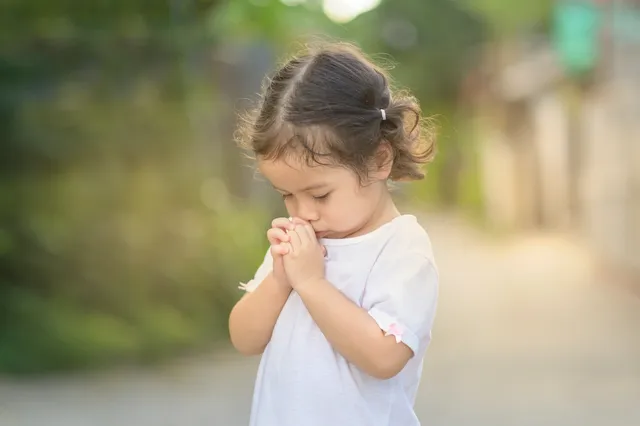
There's something sacred about the small, clasped hands of a child bent in prayer. Their words may tumble out awkwardly or drift into tangents, but heaven listens all the same. Teaching children to pray is not about perfect phrasing-it's about awakening their awareness of God's presence, planting seeds of communion that can grow into a lifelong conversation with their Creator. As parents, teachers, or mentors in faith, we're invited into one of the most tender tasks imaginable: helping a child discover that their voice, however small, is heard by the Almighty.
The Heart Before the Habit
Before we talk about bedtime prayers or dinnertime blessings, we must begin with the heart. Prayer is not an obligation to check off a list-it's a relationship. Children sense authenticity instinctively. If prayer feels mechanical or forced, they'll mirror that attitude. But when they see genuine love and dependence on God in the adults around them-when they hear gratitude, confession, and worship flow naturally-they begin to understand what prayer really is.
Deuteronomy 6:7 paints this beautifully: "You shall teach them diligently to your children, and shall talk of them when you sit in your house, and when you walk by the way." Faith instruction was never meant to be confined to a single moment of the day-it is woven into the rhythm of ordinary life. The same is true for prayer. We teach children to pray not by formal lectures, but by letting them see us pray in both joy and sorrow.
Modeling: The Silent Teacher
Children learn far more from what they observe than from what they are told. When they watch us stop to pray before making decisions, or hear us whisper, "Thank You, Lord," in moments of delight, we become living invitations to a conversational relationship with God. Our most powerful teaching often comes through our own transparent dialogue with heaven.
Parents sometimes worry about "getting it right" or using theologically perfect words around their kids. But children don't need formal elegance-they need honesty. Let them see imperfect, heartfelt prayer. When they watch you pray for patience after a hard day or for courage during uncertainty, they learn that prayer is the posture of a trusting heart, not a polished performance.
Let Them Witness Your Quiet Moments
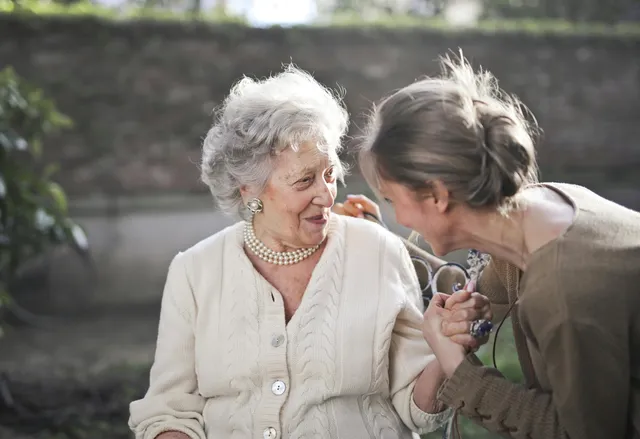
It can be transformative for a child to wander into a room and quietly see a parent praying-perhaps with an open Bible, a cup of coffee cooling nearby, and a heart bowed in conversation with God. That image can become one of the most enduring lessons of childhood faith: that prayer is real, ongoing, and deeply personal. It says, "This is what we do in this family-we talk to our Father."
Starting Simple: The Language of Prayer
Children speak from the heart, often in ways adults have forgotten. To them, asking Jesus to help their pet get well or thanking Him for the colors of a sunset feels natural. Encourage that. Prayer that begins with childlike simplicity is powerful because it reflects the very thing Jesus commended: "Let the little children come to me... for the kingdom of God belongs to such as these" (Mark 10:14).
Begin with phrases they can understand. Instead of long lists or lofty requests, use moments of everyday gratitude: "Thank You, God, for my breakfast," or "Please help my friend feel better." As they grow, they'll naturally expand this conversation. Think of it as teaching a language-the language of faith-one word, one phrase, one small prayer at a time.
Praying Aloud Together
Many families find joy in praying together at meals or bedtime. But don't rush through those prayers. Turn them into sacred pauses. Ask open questions afterward: "What do you want to thank God for tonight?" "Is there something you'd like to ask Jesus about?" In those simple exchanges, the habit of prayer fuses with the heart of relationship.
Teaching the Posture of Prayer
We often think of prayer posture in terms of kneeling or folding hands. These symbols can help focus a young mind, but the deeper lesson is that posture begins in the heart. Still, small rituals speak powerfully to children. Lighting a candle, bowing heads together, or holding hands as a family creates sensory anchors that help them recognize prayer time as something sacred, set apart.
Tell them that prayer can also happen in movement-while running on the playground, walking to school, or drawing at the kitchen table. Invite them to whisper "thank You" for the warmth of the sun or the laughter of a friend. In doing this, you help them discover that prayer is not a moment, but a way of seeing the world.
When They Don't Know What to Say
One of the most tender moments in teaching prayer is when a child looks up and says, "I don't know what to say." That is precisely where awe begins. In that silence, we can teach them that God isn't waiting for the perfect words-He listens to sighs, to laughter, even to tears. Romans 8:26 tells us that "the Spirit himself intercedes for us with groanings too deep for words." When children know this, they can rest in the truth that prayer is about being with God, not performing for Him.
Guiding Without Overcorrecting
If a child's prayer drifts off course, don't interrupt with corrections. God loves that unfiltered honesty. Offer gentle guidance later, perhaps by praying after them, modeling new language-"Thank You for loving us, even when we're learning how to talk to You." Let them know their prayers matter because their hearts matter.
Using Scripture in Prayer
As children grow, they can begin to weave God's Word into their prayers. You might read a Psalms together and then talk about what it means. Psalms 23 or Psalms 139, especially, lend themselves to reflection and simple, heartfelt prayer. "Lord, You made me wonderfully," a child might learn to say, or "You are my shepherd; help me not to be afraid."
Connecting Scripture to prayer roots their words in God's promises and gently guides their theology, not through lecture but through living participation.
Turning Everyday Moments Into Prayer
Children learn best when faith intersects with daily life. Pause before leaving for school and say together, "Lord, be with us today." Offer thanks while baking, doing chores, or going on a walk. When they fail or feel embarrassed, pray together about forgiveness and courage to try again. These ordinary prayers reveal that God is part of everything-playtime, homework, tears, laughter, all of it.
As children begin to connect prayer with the ups and downs of their day, they internalize the truth that nothing is outside God's attention. In teaching that, we give them one of life's greatest gifts: confidence that they are never alone.
Encouraging Listening Prayer
Teach children that prayer is not just speaking-it is also listening. This can feel abstract, but it becomes tangible through gentle practice. Invite them to sit quietly for a moment after prayer, breathing slowly, simply saying, "Jesus, I'm listening." Ask afterward if they sensed any thoughts, pictures, or feelings that reminded them of God's love. Helping children discern that voice builds faith grounded in relationship, not ritual.
Helping Them Hear God's Voice in Scripture
Listening prayer doesn't always mean silent waiting; sometimes it means noticing how God's Word speaks personally. Reading a verse and asking, "What do you think God might be saying to you through this?" turns Scripture from text to dialogue. Over time, that practice cultivates a heart that responds to God naturally and joyfully.
Prayers in Hard Times
It's easy to help children pray when life is smooth, but the deeper lessons often come in difficulty. When a pet dies, or a friend moves away, or the news brings sadness, don't rush to distract them-pray with them. Let them see that God's presence doesn't vanish in pain. Jesus Himself prayed through sorrow in the Garden of Gethsemane. You can tell them, "Jesus knows what it is to cry, and He listens when we do."
Honest prayers in hard times teach resilience and trust. They also remind children that prayer doesn't always change circumstances, but it always changes us. And sometimes, that's the miracle we most need.
Letting Prayer Grow With Them
A child's prayer life evolves just as they do. A preschooler's simple thank You becomes a pre-teen's searching questions, and later, an adult's deep wrestlings with faith and purpose. Don't be afraid of the shifts. Encourage every stage. When children start to doubt or feel distant from God, remind them that prayer doesn't depend on feelings; it's a practice of trust even in silence.
One of the most fruitful things you can tell a child as they mature is, "God isn't afraid of your questions." Encourage them to bring their confusions and even frustrations into prayer. This keeps faith authentic and personal, not merely inherited. Over time, that honest relationship becomes the foundation of a resilient spiritual life.
Passing on a Living Conversation
Teaching children to pray is not a one-time lesson-it's a lifelong invitation into intimacy with God. We teach by praying with them, by modeling honest dialogue, by bringing the presence of God into the ordinary moments of life. We do not hand them a script; we help them discover a voice.
As you guide the children in your life, remember this promise: when we teach them to speak to their Father in heaven, we are also teaching them to listen for His love in return. Long after they've outgrown our laps, they'll carry with them the assurance that there's a God who hears-the same God who delighted in the first halting words of prayer they ever whispered.
And that may be the most enduring legacy of all: a living conversation, passed from generation to generation, between children and the God who calls them His own.