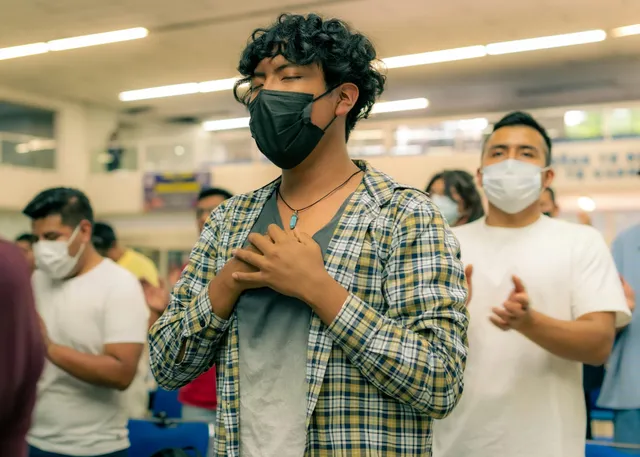
There are moments in life when a prayer for healing is not an idea, but a cry. A diagnosis, a loss, a season of endless waiting-these experiences have a way of humbling us until all that remains is our quiet plea: "Lord, please heal." Yet for many, what follows that prayer is not an instant miracle, but silence, time, and mystery. How do we pray faithfully for healing while learning to trust the God whose timing never matches our own?
When Words Run Out
Prayer takes on a different character when we are hurting. It becomes less about eloquence and more about honesty. The Psalms remind us of this. David did not sugarcoat his suffering or frustration. He wept openly before God, asking, "How long, O Lord?" (Psalms 13:1). His words swing between anguish and hope, reminding us that God invites every raw, trembling word we can offer.
When you pray for healing-whether it's physical, emotional, or spiritual-begin where you are. Sometimes all you can say is, "Jesus, I need You." That's enough. Healing begins with surrender, not strategy. Bring your pain, your questions, your confusion. Lay them before God without pretense. The One who formed your body and soul is not repelled by your weakness; He is drawn to it.
Understanding the Many Faces of Healing
We often think of healing as God fixing what is broken in our bodies. But Scripture shows a broader view. Jesus did not only make the lame walk or the blind see-He restored people to community, dignity, and purpose. The bleeding woman, ostracized and desperate, was not only freed from her physical ailment but also welcomed back into society. True healing reaches deeper than flesh; it touches identity, belonging, and hope.
That perspective matters. God's healing sometimes comes as a miracle of restoration. Other times, it arrives quietly through endurance, acceptance, or a heart transformed by compassion. A healed person isn't always one who no longer suffers. Sometimes it's one who suffers differently-with peace, not bitterness; with trust, not fear.
The Slow Work of God
There is a rhythm to divine healing that often resists our expectations. In John 11, when Jesus heard that His dear friend Lazarus was sick, the Gospel tells us that He "stayed where He was two more days." From a human perspective, that delay seems cruel. Yet Jesus saw something His disciples couldn't: the larger story. The waiting was not void of purpose; it was infused with it. Delay does not equal denial. The grave, in fact, became the stage for resurrection.
Trusting God's timing means allowing Him to define what "healing" should look like-and when it should arrive.
Faith in the Waiting
Waiting is rarely comfortable. We live in a culture that rewards speed, but the kingdom of God works in seasons. The farmer does not plant wheat and demand bread by evening. He watches, waters, and trusts. The same is true of prayer. Sometimes the most spiritual act we can perform is not to speak another word, but to stay-faithful, patient, and present.
In Isaiah 40:31 we read that "those who wait for the Lord shall renew their strength." This promise contains a paradox: strength comes from stillness. When we cannot see God moving, He is often deepening our roots. Waiting is the workshop of trust. It shapes us into people who prefer God's will over our own timetable.
How to Pray for Healing with Trust
1. Begin with Worship
Before asking, begin by acknowledging who God is. Worship shifts our focus from the wound to the Healer. It reorders our desires. When we start with gratitude and reverence, we're reminded that God is not a vending machine of miracles but a Father whose love sustains us even through unanswered prayers. The posture of worship clears space in the soul for God's peace to dwell.
2. Be Specific but Surrendered
Scripture encourages us to "make your requests known to God." Specific prayers show faith, but always add the freeing phrase Jesus prayed in Gethsemane: "Yet not my will, but Yours be done." That line is not resignation-it's trust. It says, "I believe You see what I cannot." It opens the door for God to answer in ways we might not have imagined.
3. Pray the Word of God
Praying Scripture aligns our emotions with eternal truth. Speak verses of healing, hope, and endurance aloud. When emotions cloud clarity, the Word becomes our compass. The Lord said in Exodus 15:26, "I am the Lord, who heals you." Repeat such promises not to remind God who He is, but to remind yourself who He has always been.
4. Invite the Community
Healing prayer is not always meant to be a solo act. James 5:14-16 calls believers to "pray for one another, that you may be healed." There is power in united faith. Sometimes another believer's prayer lifts you when your own words feel hollow. Community becomes the hands of Christ when we intercede for one another. Don't isolate your pain; share it with those who will hold it reverently.
5. Listen in the Silence
After you've prayed, resist the urge to rush away. The Holy Spirit often whispers through stillness. Healing may begin with a nudge-a change of perspective, a call to forgive, a sense of peace that defies logic. God speaks in quiet ways that can't be caught in haste. To pray for healing is also to learn how to listen.
When Healing Doesn't Come (Yet)
One of the hardest truths of faith is that healing doesn't always arrive in the form or time we expect. Paul understood this intimately. When he pleaded for God to remove his "thorn in the flesh," the Lord's response was not deliverance but grace. "My grace is sufficient for you, for My power is made perfect in weakness." (2 Corinthians 12:9). Paul discovered that sometimes God heals the heart before He heals the body.
This kind of grace transforms how we carry pain. It doesn't demand that we stop longing for relief; it invites us to experience God's presence in the longing itself. The testimony of many faithful believers is not, "God made everything better," but "God met me there." And often, that is the deeper miracle.
The Hidden Gift of Trust
To trust God's timing is to trust His character. If we believe He is truly good, then even unanswered prayers hold purpose. Delays may guard us from harm, refine our spirits, or prepare us to receive something larger than our immediate desire. Healing and holiness are often intertwined. Every waiting season becomes sacred ground when we choose faith over fear.
Living Healed Even While Waiting
There's a mysterious freedom that comes when we stop demanding healing and start dwelling in hope. Living healed doesn't always mean being pain-free; it means acknowledging that wholeness is already ours in Christ. He carried not just our sins but our sorrows. In Him, peace is not postponed-it's possible here and now, even amid the ache.
Every act of faith in the waiting-every prayer whispered through tears, every choice to love instead of give up-is a declaration that God's promises are true even when we can't see their fulfillment. That is a healed life.
The Healing Power of Remembering
When faith feels fragile, remember what God has done before. The Israelites were commanded to build altars of remembrance, physical reminders of divine faithfulness. When we recall past deliverances-whether in Scripture, in others' lives, or our own-we are reminded that God has a proven track record of redemption. The same God who parted seas, restored sight, and raised the dead is still working today, often in quiet, unseen ways.
Keep a journal of answered prayers, even the small ones. Mark moments of peace, encouragement, or unexpected provision. They become signposts for future storms-a record that God's silence never means His absence.
Hope That Heals
To pray for healing and trust God's timing is to live in a holy tension-the space between what we long for and what we have received. Yet even in that space, we are not alone. Christ stands beside us as the wounded Healer, bearing both our griefs and our hopes. His resurrection declares that every delay, every hardship, and every heartbreak is never the end of the story.
Keep praying. Keep trusting. Keep believing that the God who began a good work in you will carry it to completion (Philippians 1:6). Healing may come in flashes or in seasons, in bodies or in souls, in this world or the next-but it will come. And until then, His grace is enough.