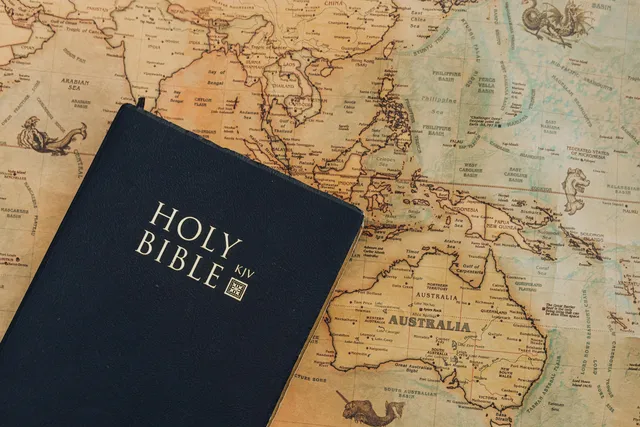
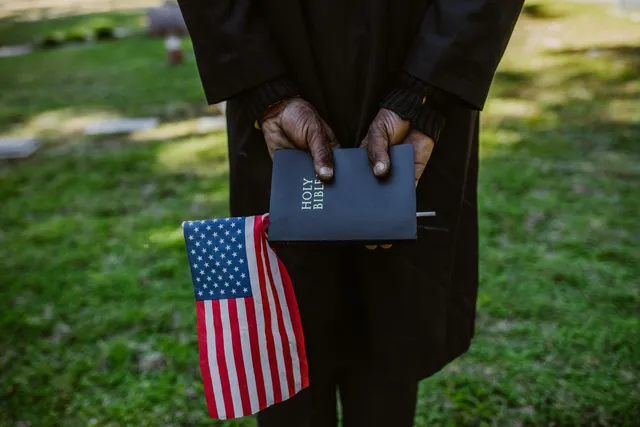
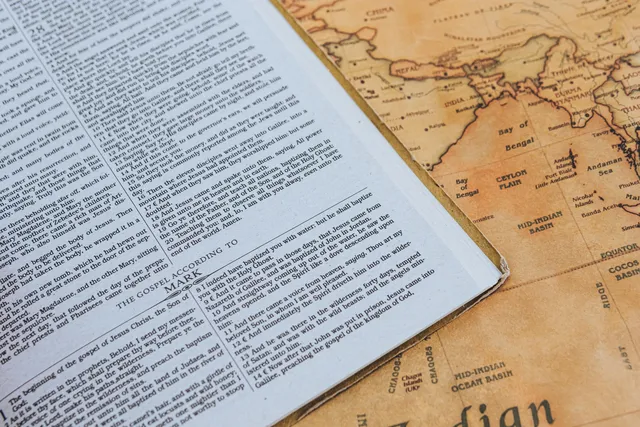
Few books, if any, have left an imprint on human history as deep and enduring as the Bible. Its influence has touched nations, stirred revolutions, inspired art and music, shaped moral codes, and led countless souls into the arms of God. The Bible is not simply a sacred text; it is a living story woven into the very fabric of civilization. Wherever it has been carried-from ancient deserts to modern cities-it has changed people, and those people have changed the world.
The Word That Shaped Civilizations
When the psalmist declared, "Your word is a lamp to my feet and a light to my path" (Psalms 119:105), he could not have imagined how far that light would reach. The Bible emerged in a small corner of the ancient world, yet it became the moral compass for entire empires. Early laws, such as those influencing Western legal systems, often drew from its moral vision. Concepts like the dignity of the individual, equality before God, and justice for the oppressed-all sprang from its pages.
From the Ten Commandments to the teachings of Jesus, Scripture introduced the radical idea that authority is accountable to a higher moral order. Even kings and rulers had boundaries under God's law. This notion quietly reshaped politics and philosophy, nurturing the soil for later ideas of human rights, democracy, and compassion-based governance.
The Bible and the Birth of Education
It is no exaggeration to say that literacy itself found one of its strongest advocates in the Bible. When early believers gathered, they longed to read the Scriptures for themselves. The desire to know the Word fueled the creation of schools, libraries, and universities. Monks painstakingly copied manuscripts, guarding the treasures of both sacred and classical learning during the Middle Ages. Missionaries who carried the Gospel to distant lands often created written alphabets for unwritten languages so that people could experience the Word in their own tongue.
The Bible democratized learning. It was not reserved for the elite; it was for everyone. The Reformation intensified this movement. When reformers like Martin Luther translated the Bible into common languages, they ignited a hunger for knowledge that reshaped Europe. Every man and woman became invited into direct conversation with God through Scripture. That invitation still reverberates today each time someone opens a well-loved Bible on a kitchen table at dawn.
Transforming Art, Music, and Literature
Imagine a world without the soaring harmonies of Handel's "Messiah," the brushstrokes of Michelangelo's Sistine Chapel, or the moral wrestling of a novel like "Les Misérables." Each of these artistic achievements finds its roots in biblical truth and imagery. For millennia, artists have turned to Scripture as both subject and inspiration.
The Bible as a Mirror for the Human Heart
Artists discovered in Scripture a drama that mirrored human experience: creation, fall, redemption, and hope. Painters captured the agony of Christ's Passion. Poets gave voice to the Psalms' cries of lament and praise. Composers turned Scripture into melody, moving congregations to tears and joy. The Bible's narratives have become the universal language through which humanity expresses its own story. Even in secular art, echoes of biblical themes-incarnation, sacrifice, and resurrection-continue to resound.
The Bible's Role in Social Reform
Throughout history, those who listened deeply to the voice of Scripture have stood on the front lines of change. The abolition of slavery, the fight for civil rights, and movements for social justice found their moral fire in biblical conviction. When William Wilberforce read his Bible, he could not escape its call to free the oppressed. When Dr. Martin Luther King Jr. spoke of justice rolling down like waters, he invoked the prophets of old. The Bible does not just comfort-it commands. It does not merely inspire-it compels action.
Scripture transforms both hearts and systems. It calls believers not only to personal holiness but also to public righteousness. The command to love one's neighbor reshapes communities, laws, and economics. The parable of the Good Samaritan remains one of the clearest moral plumb lines guiding humanitarian work around the world.
How the Bible Bridged Cultures
Every culture that has encountered the Bible has found itself both challenged and enriched. When the Gospel travels, it never arrives empty-it carries mercy, dignity, and a redefinition of worth. People discover that their stories fit within God's greater story. The Bible enters not to erase culture but to fulfill it, to draw out what is true and good while calling what is dark into the light.
Translation and Transformation
The work of Bible translation itself is one of the most extraordinary human enterprises. From the Septuagint to modern digital Bibles accessible in thousands of languages, translation has often been the key to cultural blooming. As people read the Word in their own heart language, it awakens a unique sense of divine intimacy. The process of translating also preserves languages, elevates literacy, and builds bridges between peoples who might otherwise never understand one another.
The Bible and the Formation of Compassion
Compassion as we know it today-care for the poor, the sick, the stranger-owes much to biblical teaching. In the ancient world, charity was rarely a moral duty; generosity toward the weak was not a cultural norm. Yet Jesus' words, "Whatever you did for one of the least of these brothers and sisters of mine, you did for Me" (Matthew 25:40), turned that worldview upside down.
It was the followers of Jesus who began hospitals, orphanages, and schools. The early Church distinguished itself by rescuing abandoned infants, nursing plague victims, and feeding widows. Through Scripture, believers learned that love must take form in action. That principle birthed what we now recognize as humanitarianism-a concept deeply rooted in the Bible's view of divine love made tangible.
Guiding the Modern Conscience
Even in a world increasingly secular, the Bible continues to speak into moral conversations. Its vision of truth, justice, and mercy still informs debates about human dignity, environmental stewardship, and the sanctity of life. The influence is subtle at times, but unmistakable. Without the Bible, many of our foundational assumptions about right and wrong would unravel.
When societies lose touch with Scripture's wisdom, they often find themselves adrift, searching for meaning in lesser lights. Yet every spiritual awakening in history has been kindled by a return to God's Word. The Bible, again and again, proves itself not tied to a single era or culture but timeless-a compass for the human heart.
The Living Word in Every Generation
To say that the Bible influenced history is true, but it is also incomplete. The Bible does not only influence-it transforms. Its story is not finished. Each time a child memorizes a verse, a new chapter begins. Each time a person forgives instead of retaliates, the Gospel expands its quiet territory. From hidden house churches to bustling city cathedrals, the same Word continues to give life.
The influence of the Bible endures not because of ink on paper but because of the Spirit who breathes through it. The Author still speaks. He speaks to the lonely, to leaders, to artists, to teachers, and to anyone who will listen. The same Word that shaped empires and inspired revolutions now seeks to shape the daily lives of ordinary believers-calling us to love deeper, walk humbler, and live bolder for Christ.
Living the Legacy
Each generation inherits not just the Bible as a book but as a responsibility. How we read it, how we live it, determines whether its light continues to shine brightly into the world. When we take its message seriously, we become part of its continuing story-a story of redemption and renewal that crosses every boundary.
The next great change in history may not come from a throne or a parliament but from a kitchen table where someone opens Scripture and whispers, "Speak, Lord, for your servant is listening." From that moment, empires shift. Hearts awaken. Hope rises. The Bible has always been more than words-it is God's life poured into the world, still transforming history one soul at a time.