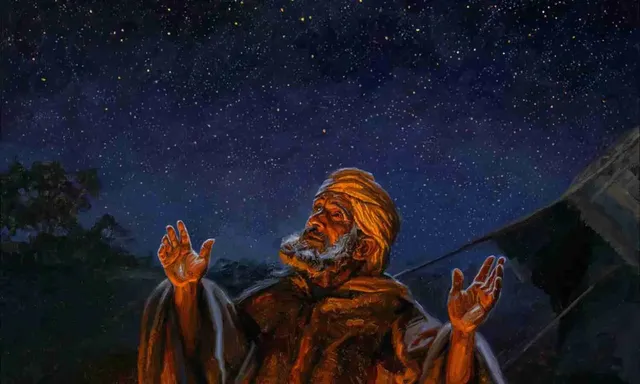
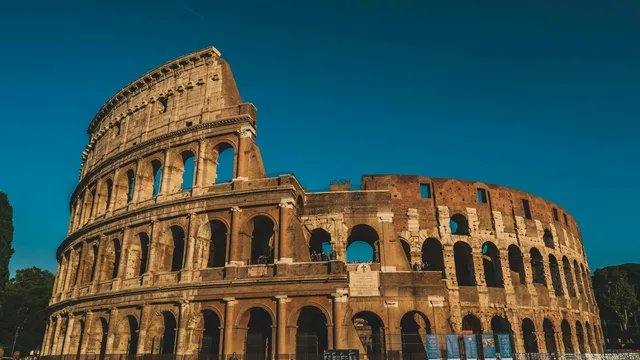
Egypt is one of Scripture's most fascinating backdrops - a place of both refuge and oppression, of promise and peril. From Abraham's desperate journey during famine, to Joseph's rise in Pharaoh's palace, to Moses standing before that same throne centuries later, Egypt stands as a mirror reflecting the heart's own journey between trust and captivity. It is a land where God worked in paradoxes: sheltering His people for a time, yet later calling them out with a mighty hand.
Egypt as Refuge: Providence in Unlikely Places
Before Egypt became a symbol of bondage, it was first a sanctuary. Abraham went down to Egypt when famine struck the land God had promised him. Though his visit was marked by fear and compromise, God preserved him there (Genesis 12). Egypt, for all its strangeness and spiritual darkness, bore the mark of divine providence. It became a place where God sustained His people in crisis even when their faith wavered.
Generations later, Jacob's family would make that same journey. This time, it was not out of panic but invitation. Joseph-once betrayed and sold into slavery-stood second only to Pharaoh. When famine again raged across Canaan, Jacob's sons found food in the very land where their sin had sent Joseph. It is one of Scripture's most exquisite instances of redemption: the place of betrayal becoming the place of preservation.
God often turns our Egypts into shelters of grace. Even in places we thought would destroy us, His hand can provide. The story of Joseph reminds us that a season of refuge can be divine preparation for an unfolding promise. Egypt held both the seed of Israel's future and the test of its faith.
From Refuge to Chains: When Comfort Becomes Captivity
As time passed, the refuge became a cage. Exodus begins with this haunting line: "Then a new king arose over Egypt, who did not know Joseph." (Exodus 1:8) Forgetfulness bred fear, and fear bred oppression. The Hebrew people, once welcomed guests, became enslaved laborers-scapegoats for the insecurities of power.
Egypt often represents more than a place; it symbolizes the human tendency to linger in what was once provision but no longer life-giving. The same Egypt that fed Israel's hunger became the nation that crushed their spirit. What begins as comfort can harden into captivity when we forget who called us and where we belong.
The Subtle Grip of Yesterday's Blessing
God's people did not flee Egypt right away. In fact, the time of slavery stretched over centuries. There is mystery in that waiting. Perhaps it mirrors how the heart holds onto familiar patterns even when they no longer bless us. Egypt is the pattern of dependence on what once worked-our own strength, resources, or habits. It's the old refuge that eventually becomes oppressive when we try to make it a permanent home rather than a temporary provision.
In every generation, God calls His people to leave their Egypts-not necessarily a geographic place, but any situation where survival has replaced surrender. Like the Israelites, we may find comfort in the predictable-even when it confines us. Yet God's redemptive rhythm always moves toward freedom.
The God Who Comes Down
When the Lord told Moses, "I have surely seen the affliction of My people who are in Egypt... and I have come down to deliver them" (Exodus 3:7-8), He revealed both His heart and His method. God does not deliver from a distance. He enters the place of bondage Himself. He is not merely the God of the desert escape, but the God who steps into the furnace of oppression to rescue the afflicted.
Divine deliverance begins where human hope ends. Israel had no political allies, no army, no means of escape. Yet the cry of their suffering reached heaven. The Exodus story reminds us that when we can no longer lift ourselves, God lifts us. Where the whip cracked, the redemption story began. Egypt's cruelty could not drown out heaven's compassion.
Miracles Born in the Dust
The plagues, the parted sea, the pillar of fire - all these were not only acts of liberation but revelations of God's identity. Egypt's gods were many, yet powerless before the One who commands the waters and the skies. Through confrontation, humiliation, and deliverance, the Lord proved Himself faithful. Each miracle shattered a fragment of Egypt's pride and, symbolically, the idols of the human heart.
God didn't simply want His people free from Pharaoh's chains; He wanted them free from Egypt's mindset - the slave identity that whispered, "You belong to your masters, not to your Maker." True Exodus happens both externally and internally. The same God who parts seas also parts us from false dependencies so we can walk into His promises.
Egypt Remembered: The Temptation to Return
Ironically, once liberated, the people often longed for Egypt again. In the wilderness, they reminisced about the "pots of meat" and the comfort of predictability (Exodus 16:3). In moments of discomfort, even captivity can look like safety. Freedom requires faith; slavery only requires familiarity.
This pattern mirrors our spiritual lives. After stepping out in obedience, we may yearn for old securities-the habits, the routines, even the sins that once seemed easier. God's call to trust Him completely can feel terrifying when manna appears each morning and yesterday's structures are gone. But returning to Egypt never leads to life. It only delays destiny.
Learning to Live Beyond Egypt
God's dealings with His people in the wilderness were not punitive; they were preparatory. Each day taught dependence. Each miracle exposed grace. Each challenge revealed a deeper promise-that the God who delivers is also the God who dwells. Leaving Egypt was step one; learning to walk with God was the lifelong journey.
Egypt as Sanctuary Again: The Holy Family's Flight
Centuries later, the story of Egypt took a surprising turn. After the birth of Jesus, an angel instructed Joseph to take the child and His mother to Egypt to escape King Herod's rage (Matthew 2:13-15). The land once known for slavery became, again, a place of refuge-a temporary haven for the Savior Himself.
In this, we see a masterpiece of divine irony: the Redeemer sheltered in the very nation from which Israel had once been delivered. The circle of God's story closed with breathtaking purpose. Even the darkest histories can become part of God's redemptive tapestry. Egypt's soil cradled the infant Christ, proving that no place is beyond God's ability to redeem for His purposes.
What a tender reminder that God can transform the very places of our pain into places of protection. Our personal Egypts-the seasons or situations we thought would define us by shame-may one day become shelters where grace grows quietly. Christ's stay in Egypt reframes the story of the land itself: no longer only the realm of Pharaohs and bondage, but a sanctuary that served the plans of God for salvation.
Lessons for Today's Pilgrim
Egypt's dual image-both safe haven and site of suffering-mirrors every believer's journey. There are seasons when God leads us into places that feel foreign or barren because something deep must be formed in us there. Egypt teaches that God is present even in delay, discipline, and difficulty.
Sometimes God allows us to find refuge in surprising places. Other times, He calls us to leave those same places when they become prisons to faith. Both experiences shape us, teaching us that security is not found in geography, status, or circumstance, but in relationship with Him.
Recognizing Modern Egypts
In modern life, Egypt can take many forms: a job that once was blessing but now demands compromise of conviction; a relationship that once held promise but now entangles the soul; an identity anchored in achievement more than grace. Every "Egypt" calls for discernment. Has God placed you there for a season of provision, or is He calling you out toward deeper trust?
To stay when we are meant to go can stifle growth; to go when we are meant to stay can prevent grace from ripening. Discernment rests not in knowing the map, but in knowing the Shepherd. Just as God led Israel by cloud and fire, He leads us by His Spirit-even through the ambiguous terrain between deliverance and dependence.
Egypt and the Heart: The Inner Exodus
Ultimately, Egypt is not just a historical nation but a spiritual condition. We all have inner Pharaohs-places of pride, fear, or control that resist God's authority. The journey out of Egypt is the ongoing process of sanctification, repeated in small ways throughout our lives. Each surrender breaks another chain, each step of faith opens another sea.
The Christian life is a continual Exodus, not from place but from patterns that enslave. Where God once granted provision, He may now call for release. Where we have relied on human formulas, He may invite fresh dependence. Leaving Egypt means trusting the unknown path because the One who leads it is known.
The God Who Turns Bondage into Blessing
Egypt in the Bible stands as a profound paradox - a land of refuge and oppression, necessity and danger, beginnings and endings. And yet through its story, we see a consistent truth: God wastes nothing. Every Egypt, whether external or internal, becomes a stage where His faithfulness and sovereignty shine.
When you find yourself in a season that feels like Egypt-dry, confining, uncertain-remember: the same God who met Abraham there, who exalted Joseph there, who heard Israel's cry there, who sheltered His Son there, is with you also. He is the One who turns chains into testimonies and deserts into doors of hope.
So whether He calls you to rest in your Egypt a little longer or to rise and leave it behind, trust His leading. For in every season-refuge or oppression-He is writing redemption's story anew.