Can a machine truly illuminate the mysteries of God? This question might sound like the plotline of a science fiction story set in a futuristic university chapel, but it is a very real conversation happening among pastors, professors, and everyday believers. As artificial intelligence (AI) grows more sophisticated, Christians are asking: Can AI teach theology? Can the same algorithms that generate essays, analyze languages, and simulate conversation actually serve the Church's mission to know and love God more deeply?
The Promise and the Puzzle
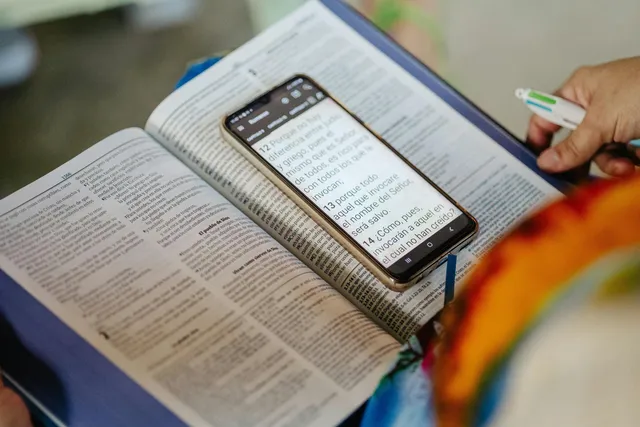
At first glance, the idea seems both thrilling and uncomfortable. After all, artificial intelligence can scan thousands of theological documents in seconds. It can summarize Augustine's writings or analyze recurring themes in Scripture with remarkable precision. AI can even help translate the Bible into new languages with greater speed and accuracy than ever before-a mission-driven breakthrough that aligns deeply with the Church's global heart for spreading the Word.
Yet, beneath these exciting possibilities lies a puzzle. Theology, unlike mathematics or linguistics, is not just about information-it's about Revelation. It concerns a living relationship between Creator and creation. Theology isn't merely what we know about God-it's how we come to know Him, love Him, and live in response to Him. And that means teaching theology isn't simply transferring data; it's an act of spiritual formation.
Knowledge Without Life
In Scripture, knowledge is never detached from life. "The fear of the Lord is the beginning of knowledge" (Proverbs 1:7). In other words, true knowledge of God is born not from analytic ability, but from humble reverence. An algorithm can memorize the text, even cross-reference every appearance of the word "grace," but it cannot tremble in awe before the holy God who gives that grace.
This distinction may seem obvious, yet it cuts deeply. We live in a world that often equates knowing about something with truly knowing it. AI, in its incredible capacity to process information, reflects that same danger: a growing treasury of words without the warmth of worship. A program can teach facts about the Trinity, but can it invite a soul to adore the Triune God?
Understanding vs. Communion
To teach theology faithfully is to invite others into communion with Christ. When Jesus spoke of eternal life in John 17:3, He defined it not as knowing doctrines alone, but "that they may know You, the only true God, and Jesus Christ, whom You have sent." Every Christian teacher longs for this kind of knowing to take root in hearts-not just minds. And while AI can provide explanations, it cannot mediate encounter.
Teaching theology is always incarnational. It happens as one soul shares with another, as the Spirit of God breathes through the conversation. The Word became flesh (John 1:14) so that divine truth could be embodied, not just transmitted. However advanced technology becomes, theology remains a holy exchange between hearts animated by the Spirit.
When AI Becomes a Servant
Still, before we dismiss AI altogether, we must notice something remarkable: tools themselves are not the problem. The question is how they are used-and who is leading the use. If an AI program can help a theology student quickly locate biblical themes or analyze ancient Greek syntax, then it can serve as an aid to understanding. There is wisdom in using tools for the glory of God.
The apostle Paul wrote that all things were created through and for Christ (Colossians 1:16). That would include technology. This truth invites us to consider: can AI serve God's purposes in the same way a printing press once did? When the printing press emerged, it transformed how Christians encountered the Word. What if AI-used humbly, ethically, and prayerfully-could do something similar in our age?
The Rightful Place of Technology
Like every tool, AI has limits. It can parse Scripture but not pray it. It can summarize theology but not suffer for it. Yet if we keep its role in perspective-as a servant and not a teacher-AI could indeed deepen theological learning. Imagine global ministries equipped with instant translation tools for discipleship materials. Picture seminaries where AI assists professors in identifying themes across vast theological texts, liberating time for the more personal work of mentorship.
In this way, AI could multiply human faithfulness rather than replace it. It could help teachers spend less time searching and more time shepherding, less time formatting and more time forming disciples.
The Danger of Disconnection
But there is another side to every promising technology: the risk of disconnection. AI thrives on data. It is trained on text, patterns, probabilities. Theologians and pastors, however, are not formed by probabilities-they are shaped in presence. In prayer. In the unpredictable world of suffering and grace where the Spirit does His deepest work.
Throughout Scripture, God engages humanity in deeply personal ways. He wrestles with Jacob, calls Moses by name, walks with His people in the wilderness. When Jesus taught, He did not deliver downloadable lectures; He shared meals, asked questions, and told stories that met people where they truly lived. Theology taught by AI, unless carefully stewarded, risks becoming disembodied truth.
Here lies the danger: efficiency without intimacy. We could one day have access to perfect theological summaries-and yet forget how to listen to one another's hearts. Wisdom, after all, is not the same as speed. As James reminds us, heavenly wisdom is "pure, peaceable, gentle, open to reason, full of mercy and good fruits" (James 3:17). These are qualities that cannot be computed; they must be cultivated in the Spirit's presence.
The Spirit Still Speaks
There's a subtle temptation in technological progress: to believe that we can engineer spiritual growth. Yet the Holy Spirit cannot be automated. His voice is living and personal, constantly surprising those who wait upon Him. While machine intelligence can organize knowledge, only divine presence can transform hearts.
When the disciples walked with Jesus, they often misunderstood Him-not because the data was unclear, but because the Revelation was relational. Understanding grew from abiding. Theology, then, is a fruit of communion, not computation. And it's precisely this fellowship that AI can never replicate.
Yet, God Can Use Anything
Remarkably, God can use almost any vessel to bring His truth to people, even tools that seem impersonal. Consider Balaam's donkey in Numbers 22: God's message came through an unexpected mouthpiece. The issue was not the vessel, but the obedience behind it. If believers use AI prayerfully-guided by discernment and humility-then what seems impersonal could still participate in God's broader mission of Revelation.
Imagine, for instance, an AI that helps new believers find accessible explanations to complex doctrines or helps missionaries instantly translate gospel materials for remote tribes. These acts become holy when they are sanctified by love. The Spirit can stir creativity through any tool surrendered to the Lord.
Faith, Flesh, and Future
As we look ahead, Christians face the challenge of holding two truths at once. First: the Church must not retreat from technological innovation. Every generation of believers has had to discern how to live faithfully in its own age. But second: we must never confuse tools with teachers, or data with discipleship. Jesus remains the true Teacher. The Holy Spirit remains the true Interpreter. AI may extend their lessons, but it cannot originate them.
We may yet see theologians partnering creatively with AI-helping them research, summarize, and organize-but ultimately, faith is still born of hearing, and hearing through the Word of Christ (Romans 10:17). And that hearing must happen in hearts willing to be changed, not just minds hungry for facts.
Walking With Wisdom in the Digital Age
So how should we, as followers of Jesus, approach AI in the study and teaching of theology? The answer may be found in the same way Scripture teaches us to approach all of life-with wisdom rooted in love. James urges believers, "If any of you lacks wisdom, let him ask God, who gives generously to all without reproach" (James 1:5). Before we build, code, or deploy, we must first pray.
We must discern where technology serves the truth and where it might subtly distort it. We must keep human connection, mentorship, and spiritual discipline at the center of theological learning. Perhaps most importantly, we must keep the focus not on what AI can do, but on what only grace can do: awaken hearts, heal broken souls, and draw us into living fellowship with the Eternal Word.
The Final Word
So, can artificial intelligence teach theology? In one sense, yes-it can teach about theology. It can recite creeds, compare texts, and summarize centuries of Christian thought. But in the deeper, truer sense, the answer must be no. Because theology is not merely taught; it is caught. It is transmitted through living witnesses, Spirit-led teachers, and hearts transformed by divine encounter.
As we move deeper into an age of digital wonders, let's remember that the greatest Teacher still writes on human hearts. No algorithm can replace the living voice of Christ calling us to follow Him. Theological knowledge may emerge from the cloud, but wisdom still descends from above.
So may we use every tool-AI included-with humility and hope, taking the best of its gifts but never surrendering the mystery that lies at the heart of our faith: that truth is a Person, and His name is Jesus.
And as long as theology remains about knowing Him-not merely knowing about Him-the task of teaching will always belong to hearts set aflame by the Holy Spirit, not lines of code. Let AI organize our notes if it must; let the Spirit organize our hearts.