There are seasons when prayers soar upward day after day, nights stretch long with whispered hopes, and yet the pain remains. The test results don't change. The relationship isn't restored. The healing we plead for never seems to arrive. These are the places where faith shakes-not because it fails, but because it's forced to live without the sight of what it hopes for.
When God Feels Silent
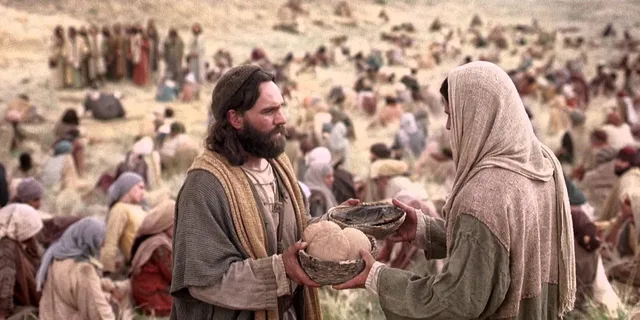
Silence is one of the hardest experiences for a believer. We know God hears us-Scripture promises it-but when our circumstances remain unchanged, His quiet can sound like distance. We read of miracles: the blind see, the dead rise, the bleeding woman touches Jesus' cloak and is immediately made whole. And then we glance at our own life and wonder, Why not me? Why not now?
Yet in the silence, something sacred is being born. Silence is not absence-it's often the space where trust matures beyond miracles. In John 11, Jesus waits two days before going to Lazarus, knowing full well His friend was dying. To the sisters, His delay felt cruel. But to Jesus, it was purposeful. He wasn't just going to heal sickness; He was going to conquer death. Sometimes, what feels like a divine delay is actually a deeper deliverance being prepared.
The Mystery of Unhealed Wounds
Not all healing happens on our timeline-or even on this side of heaven. Paul's "thorn in the flesh" (2 Corinthians 12:7-10) remains one of the most profound examples of holy endurance. Three times Paul begged the Lord to remove it, and three times the answer was no. Instead, God said, "My grace is sufficient for you, for My power is made perfect in weakness."
We like stories where faith brings visible victory, but Paul's story shows faith that endures despite the wound. This kind of faith doesn't deny pain-it leans into God's strength through it. When healing doesn't come, what if God is offering something even more enduring: Himself?
The Grace That Stays
Grace is not a consolation prize for those who didn't get their miracle. It's the sustaining presence of God in the midst of our limitations. Paul found that his weakness became a meeting place for divine power. It was no longer about what he could overcome but Who carried him. Maybe that's our invitation too-to exchange the demand for resolution with the discovery of deeper relationship.
Holding Faith When the Feelings Fade
Faith doesn't always feel strong. Sometimes it's as fragile as a sigh, a whispered "still I will trust You." But even mustard-seed faith has power, not because of its size, but because of its object. Jesus never asked His followers to generate emotional certainty-He asked them to hold on. That's the simple, stubborn power of endurance: holding on when the feelings fade.
When you can't sense God's nearness, remember this: Faith is not proven in warm moments of inspiration but in cold moments of perseverance. To keep praying in the dark, to still bless the Lord when blessings seem withheld, is to declare whom you truly believe He is-not a giver of painless lives, but the faithful Redeemer of all things.
Why God Sometimes Lets the Ache Remain
Throughout Scripture, suffering and redemption intertwine like shadow and sunlight. Joseph spent years imprisoned before stepping into his divine purpose. Hannah's barren years carved the depths of her cry before Samuel was born. Even Jesus, the sinless Son, learned obedience through what He suffered (Hebrews 5:8). These stories remind us that God's glory often unfolds through prolonged waiting, not instant relief.
We easily equate God's goodness with comfort, but His goodness runs deeper-it's redemptive, not just protective. Sometimes God withholds healing to refine our hearts, to reveal our true need, or to position our story to touch others who walk the same valley. The ache becomes a testimony when redemption enters it.
When Suffering Becomes Ministry
One of the quiet miracles of enduring faith is the compassion it births. Those who walk through pain with Christ carry a different kind of authority-a tenderness that can't be faked, a strength learned only through the fire. Paul wrote that our suffering equips us to comfort others with the comfort we have received from God (2 Corinthians 1:3-4). In this way, even unhealed wounds become channels of grace for a hurting world.
Learning to Worship While Waiting
Worship has always been defiance in the face of suffering. Job proves this. After losing everything-his wealth, health, and children-he tore his robe, shaved his head, fell to the ground, and worshiped. "The Lord gives and the Lord takes away; blessed be the name of the Lord." (Job 1:21). That's not denial; that's devotion that transcends circumstance. It's choosing God not for what He gives, but for who He is.
Worship in the waiting reorients the heart. It declares, "God is still worthy." It shifts the focus from the outcome to the One who holds it. And often, this kind of worship ushers in quiet miracles: peace that passes understanding, courage to face another day, joy that appears against all logic.
Practical Ways to Keep the Faith
Faith in the waiting doesn't float on emotion-it is formed through rhythm, community, and remembrance. Here are a few ways to anchor yourself when hope feels fragile:
1. Keep a Record of Grace
Write down small evidences of God's care-a timely phone call, a sunrise that comforted you, a verse that spoke straight to your situation. When the enemy whispers, "God has forgotten you," your journal will speak truth: He hasn't.
2. Lean on the Family of Faith
When your own prayers feel weak, borrow the strength of others. Let community be your safety net. The Church is designed to bear one another's burdens, to stand in prayer when someone's knees buckle under grief. Sometimes, faith is something you hold together.
3. Feed Your Spirit with Scripture
Even if your heart feels numb, keep drawing from Scripture. Let it do its quiet, steady work. Verses that once felt lifeless may someday shine new meaning when your story unfolds. As Isaiah wrote, God's Word "will accomplish what He desires and achieve the purpose for which He sent it" (Isaiah 55:11).
4. Give Thanks for What Still Is
Gratitude doesn't erase pain, but it anchors you in reality-not the imagined future you hoped for, but the grace present today. Find one thing to bless God for each day. Even breath itself is a gift.
When the Story Isn't Finished
Every unhealed place in a believer's life is a page still being written. The story God tells through our suffering never ends in defeat; it may simply continue beyond the horizon we can see. Revelation promises a day when every tear will be wiped away, every sickness healed, every loss restored (Revelation 21:4). Until then, faith holds the pen mid-sentence, trusting the Author who never leaves a story half-told.
Your pain does not disqualify you from God's purpose; it can become the very platform where His faithfulness stands tallest. The waiting room of healing may become the birthplace of deeper worship, richer compassion, and a steadier hope than you've ever known.
Living Faith in a Broken World
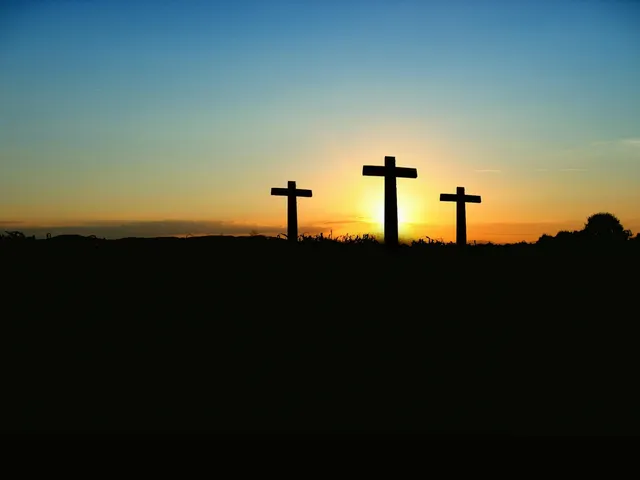
So what does it look like to keep faith when healing doesn't come? It looks like waking up and whispering, "I trust You," even when tears burn your eyes. It looks like showing kindness while you're still waiting for your own miracle. It looks like believing that the cross means even unhealed pain will not be wasted. Every scar, surrendered to Christ, tells the truth of resurrection-that life wins, that love endures, that God is still at work.
We were never promised a life free from suffering. But we were promised an unshakable presence in the midst of it. Jesus' own words echo through centuries of both joy and sorrow: "Take heart, I have overcome the world." (John 16:33). That is where our faith rests-not in a guaranteed outcome, but in the guaranteed companionship of the One who overcame.
When Healing Doesn't Come, Hope Still Can
In every delayed answer, in every ongoing ache, there remains an invitation-to let your roots sink deeper into the soil of hope. To believe that God's goodness is not confined to the outcome you're praying for, but alive and at work in the very midst of the waiting.
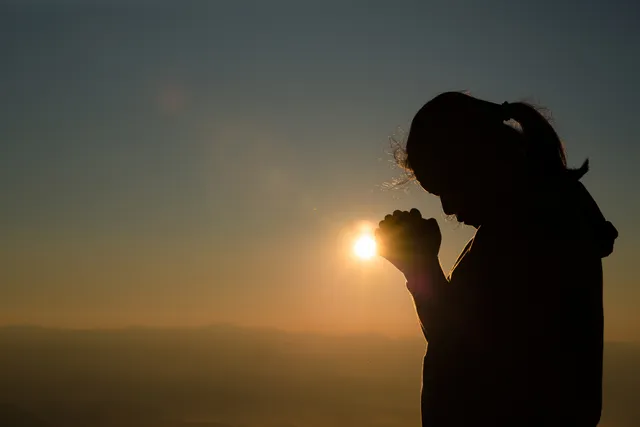
So hold on. Pray again. Worship still. Let hope keep breathing inside you, however faintly. Healing may not come in the way you expect, but one day, in the fullness of eternity, every story of faith will end in restoration. Until then, we walk by faith-not by sight-knowing the Healer walks with us every step of the way.