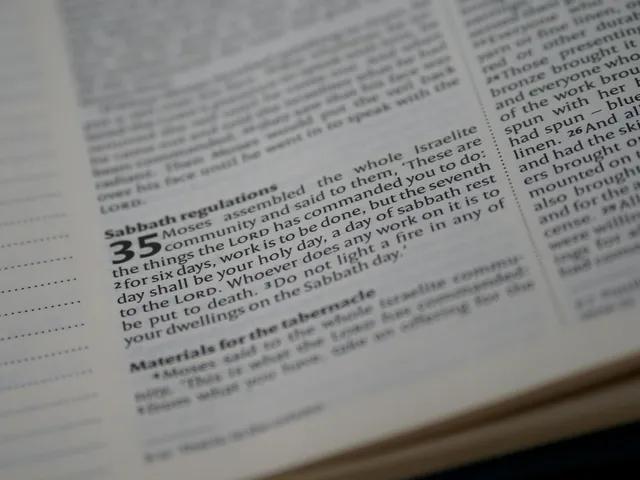
They were carved on stone tablets thousands of years ago, carried down a mountain by a reluctant shepherd turned prophet. The Ten Commandments have stood as moral pillars for Jews and Christians alike-a divine summary of God's holy expectations. But in a world pulsing with technology, independence, and moral fluidity, some wonder: are these ancient laws still relevant, or have they become relics of a bygone era? The answer may surprise us-not because of what's changed, but because of what hasn't.
The Finger of God in a Technological Age
When God etched His laws into stone, He wasn't just writing rules; He was revealing His heart. The Ten Commandments reflect God's character-holy, just, loving, and faithful. In our age of shifting ethics and fleeting truths, this permanence feels refreshing. The rules of society may change every election cycle, but God's moral code remains unaltered.
Technology, for all its brilliance, hasn't lessened our need for a moral anchor. If anything, it's magnified it. With the world's information-and temptation-now just a fingertip away, we face moral decisions more frequently and privately than ever. The commandments speak powerfully into this digital wilderness: "You shall have no other gods before Me" (Exodus 20:3). Perhaps in our times, those other gods are not Baal or golden calves, but screens, brands, or self-importance.
1. No Other Gods: The Battle for Worship
Worship is not confined to temples or hymns. It is about what captures our hearts and drives our choices. Modern idols often wear glossy packaging-success, comfort, relationships, even good causes that subtly replace devotion to God. The first commandment is radically relevant because it doesn't only prohibit idol worship; it invites us to a reordered love.
To put God first is to remember that He is sovereign over our careers, our schedules, and our phones. It's to begin each day asking: "Lord, what would please You?"-not only on Sundays, but on Zoom calls, in traffic, and when no one is watching.
2. No Graven Images: The God Who Can't Be Contained
Images today are everywhere. We are a visual generation, curating our identities through photos, icons, and avatars. But the second commandment reminds us that God cannot be reduced to an image or concept that fits our preference. We're warned not only against statues, but against making God in our own image-reshaping Him to approve of whatever we desire.
True worship starts when we allow God to define Himself, not when we define Him. That may mean embracing His holiness when we crave leniency, or His mercy when we crave judgment. The living God refuses to be molded by human imagination, and that is our greatest protection from deception.
3. The Name That Deserves Reverence
"You shall not take the name of the Lord your God in vain." We often think this refers merely to swearing, but Scripture invites a deeper understanding. The name of God represents His reputation, His nature, and His presence among us. To misuse His name is to live carelessly while claiming to belong to Him.
Living with reverence for God's name challenges us to integrity-our words and actions should align with the One we profess to follow. In a culture casual about everything, reverence becomes a countercultural act of love.
4. Remember the Sabbath: The Sacred Art of Rest
In a world that glorifies busyness, this commandment sounds almost rebellious. God's command to rest is not about laziness but about trust. It proclaims, "You are not the one holding the world together-I am." The Sabbath is a day to cease striving and to remember who provides, sustains, and restores.
Rest, in God's rhythm, is as holy as work. It's the pause that allows our souls to breathe, our families to reconnect, and our spirits to listen. Rest reminds us that our worth is not in productivity but in presence-His presence.
5. Honor Father and Mother: The Root of Respect
In a time when authority is often questioned, this commandment offers a radical reminder of the importance of respect and gratitude. To honor our parents doesn't mean blind agreement with everything they do; it means recognizing the sacredness of relationship and the weight of legacy. It's through family that many of us first learn compassion, forgiveness, and sacrifice.
When Paul revisited this commandment in Ephesians 6:2-3, he called it "the first commandment with a promise"-that it may go well with us. Respect for our earthly parents mirrors respect for our heavenly Father. Together, they teach us how to live under grace and within order.
6. You Shall Not Kill: The Sanctity of Life
This commandment seems straightforward, yet Jesus deepened it in the Sermon on the Mount: "Anyone who is angry with a brother or sister will be subject to judgment" (Matthew 5:22). The law reveals that murder begins in the heart, in the quiet seed of anger, bitterness, or contempt.
In a world growing more divided, this commandment urges us toward compassion. Every person-friend or foe-is an image bearer of God. Choosing life, then, goes beyond preserving physical existence; it means nurturing relationships, extending forgiveness, and working for justice that honors all lives created by God.
7. You Shall Not Commit Adultery: Love That Keeps Covenant
Few commandments challenge modern culture as much as this one. We live in a society that redefines love daily. Yet Scripture insists that love is more than emotion-it's covenant. The commandment to be faithful isn't just about marriage; it reveals something profound about God's nature. He is a covenant-keeping God, steadfast and true even when we are not.
Marriage, fidelity, and purity are reflections of His own faithfulness. When we honor that standard, we not only guard our relationships but also testify to a God who never breaks His promises. In an era of instant gratification, constancy becomes a form of worship.
8. You Shall Not Steal: Contentment in a Consumer Culture
We may not rob banks, but how often do we steal time, credit, or attention that doesn't belong to us? The eighth commandment digs deep into our cravings. It whispers truth into a consumer-driven world: contentment is holy.
The antidote to theft is gratitude-acknowledging that everything we have comes from God. When our hearts are full of thanks, envy finds no room to grow. Generosity becomes the overflow of trust in God's provision, turning what was once command into delight.
9. You Shall Not Bear False Witness: Truth in an Age of Spin
In the age of social media, truth is often filtered through opinion. Yet the ninth commandment calls God's people to a higher standard. To bear false witness is more than lying; it's distorting reality, whether to protect ourselves or wound others. Truth-telling is a sacred act-it honors the God who is Truth itself.
Our words create worlds. They can heal or harm, build or destroy. The follower of Christ must weigh each sentence spoken or posted, asking, "Does this reflect the heart of God?" When we speak truth in love, we become instruments of light in a culture of confusion.
10. You Shall Not Covet: The Restless Heart
Perhaps no commandment exposes the human heart like this one. Coveting happens invisibly-no one can see it, yet it can corrode joy faster than any visible sin. Social media amplifies comparison, making it harder to rejoice in another's blessing. But God calls us to freedom from envy by inviting us to deeper trust.
When we rest in God's goodness, we discover that contentment is not about having everything-it's about believing we already have enough in Him. Gratitude turns scarcity into abundance, changing how we see both our circumstances and our neighbors. Covetousness fades when love for God fills every corner of the heart.
The Law and the Heart of Grace
Some may ask, "If we live under grace, why should we care about the Law?" Jesus answers that question beautifully: He didn't come to abolish the law but to fulfill it (Matthew 5:17). The commandments are not replaced by Christ-they are embodied by Him. He lived them perfectly and then wrote them anew on our hearts through the Holy Spirit.
Grace doesn't cancel holiness; it empowers it. The Ten Commandments reveal what holiness looks like; grace makes it possible for us to walk in it. We follow these commandments not to earn salvation, but because salvation has already claimed our hearts and transformed our desires.
Living the Commandments in Daily Life
In Our Homes
The commandments shape how we treat our families-honoring parents, remaining faithful, telling truth, choosing peace. They remind us that integrity begins behind closed doors.
In Our Workplaces
They guide how we serve, spend, and speak. Not stealing means more than honesty with money-it's showing up fully, giving fair effort, and treating colleagues with respect. Bearing no false witness includes doing business transparently and morally.
In Our Communities
When believers live by these principles, the world sees glimpses of the Kingdom of God: justice, compassion, order, and faithfulness. The commandments are more than rules; they're the DNA of God's people living visibly different lives.
Still Written on Stone-And on Hearts
At the end of the day, the Ten Commandments are not relics but reminders-etched first on stone, and now on hearts transformed by grace. They call us to revere God in an irreverent age, to rest in a restless world, and to love others in a culture of self. In every generation, they point back to the unchanging character of the One who spoke them.
The challenge for the modern believer is not just to memorize the commandments but to let them breathe through us-to become living letters of God's law of love. When we love Him with all our heart, and love our neighbor as ourselves, we fulfill not only the commandments but the very heartbeat of Scripture.
Yes, they are still relevant. Because God is still holy, and His love is still calling us home.