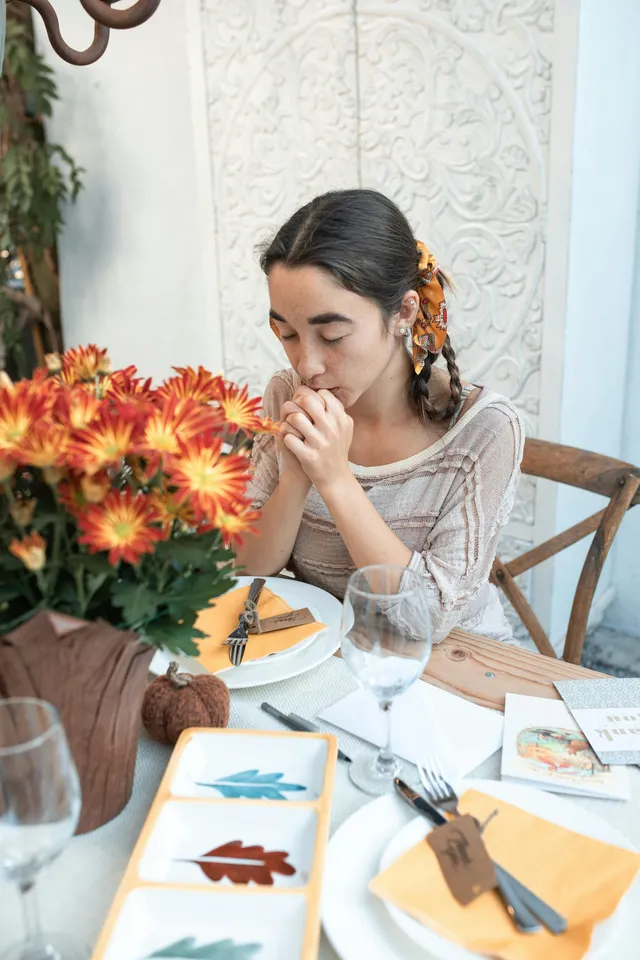
There are few callings as sacred, as weighty, or as beautiful as the calling to be a parent. Every diaper change, every bedtime story, every conversation in the car or over the dinner table is an opportunity to shape not only a child's habits, but their heart. Teaching faith and values is not a side project for Christian parents-it is the heartbeat of parenting itself. In a world that often shifts its moral compass with the winds of culture, parents stand as daily witnesses of what it means to love God and to live according to His Word.
The First Church: The Home
Before there were steeples and sanctuaries, there were tents and hearths. The first lessons of faith were whispered in homes. When Moses instructed Israel, he didn't start with worship services or festivals-he started with family. "These commandments that I give you today are to be on your hearts. Impress them on your children. Talk about them when you sit at home and when you walk along the road..." (Deuteronomy 6:6-7). The rhythm of the home was to be the rhythm of spiritual formation.
Parents are the first pastors their children will ever know. The dining table becomes the pulpit, bedtime prayers the liturgy, daily forgiveness the sermon lived out in flesh and bone. Children learn far more from what they see than from what they are told. A parent who prays even when weary, who offers grace instead of anger, who apologizes when wrong-teaches more about faith than any Sunday school ever could.
Faith That Breathes, Not Just Believes
It's tempting to think of teaching faith as passing down doctrines-a list of things to know and repeat. But faith, at its heart, is not information. It's relationship. Relationship with God, grounded in trust and love, and shaped by obedience. Parents teach faith when they model that kind of living connection.
Let your children see you walking with God-not perfectly, but earnestly. Let them catch you reading the Word not because you "have to" but because you want to. Let them overhear prayers that wrestle, not perform. Let them know that faith is not a ritual to check off, but a friendship to nurture.
Cultivating Authentic Spiritual Moments
Children are natural observers. They sense when conversations ring true and when words are empty. Creating authentic spiritual moments-those unplanned, Spirit-led conversations-is an art of attentiveness. When a child asks, "Why did God let that happen?" it's not just curiosity-it's sacred ground. A parent's willingness to pause, to listen, to explore that question together is a profound teaching moment. Even when answers are incomplete, a child learns that faith welcomes honesty and doubt can walk hand in hand with belief.
Passing the Torch of Values
If faith anchors a child in God, then values teach them how to live out that faith in the world. The stories of Scripture are filled with moral echoes-lessons about kindness, courage, humility, and justice. Yet in many ways, those virtues come alive most powerfully when lived out daily before a child's eyes.
When a parent speaks gently to a rude cashier, forgives a hurtful friend, or helps a neighbor without expectation, a child witnesses what love looks like with skin on it. That is how moral roots deepen. Values are not taught; they are caught.
The Power of Everyday Integrity
Consider Joseph, who in Egypt was far from home yet lived with integrity because his heart had been trained in righteousness long before the temptation came. That training begins at home-when parents model honesty, admit mistakes, and show that obedience is an expression of love for God, not fear of punishment.
In today's cultural climate, integrity might seem quaint or old-fashioned. But when parents demonstrate truthfulness even when it costs them, they plant seeds in their children that will one day bear fruit in courage and conviction. Those seeds matter more than we may ever see this side of heaven.
Grace Over Perfection
Christian parenting is not about flawless performance; it's about persistent grace. Too often, parents feel crushed under the weight of "getting it right." But faith and values are not transmitted through perfection-they are modeled through repentance, forgiveness, and restoration. Children learn what grace means when they see it practiced at home.
When a parent says, "I'm sorry, will you forgive me?" something holy happens. The parent steps down from the throne of authority to kneel beside their child as a fellow sinner in need of mercy. That image lingers-it tells a deeper truth: that no one is too small or too grown-up for grace.
Remember the father in the parable of the prodigal son (Luke 15)? His love wasn't earned; it was given. His forgiveness restored identity. Parents reflect that same heart of God when they offer unconditional love that welcomes a child back, time and again, into compassion instead of condemnation.
The Role of Story and Scripture
Stories shape souls. They reach places rules cannot reach. Children especially are molded by the stories they hear repeatedly-the ones that become part of their own personal mythology. The Bible is more than a rulebook; it is God's great narrative of redemption. Parents who weave Scripture into the fabric of daily life are giving their children a library of truth and hope.
But we can go further-link the biblical stories to the child's own experiences. When faced with fear, remind them of David's faith before Goliath. When tempted to hide a mistake, recall how Peter was restored after denying Jesus. Scripture becomes living and relevant when children see themselves reflected in the characters of faith.
Creating Rhythms of Worship
Families who pray together, read the Word together, sing or give thanks before meals are not performing rituals for ritual's sake-they are forming memory. These consistent patterns, even if imperfectly kept, set the tempo of the heart. They remind a child: "This is who we are. We belong to a story larger than ourselves."
When Faith Faces the World
Eventually every child steps beyond the front door into a world that does not always share their beliefs. Parents cannot protect them from every challenge, nor should they. The goal is not isolation-it is preparation. Faith that has been nurtured through relationship, modeled through integrity, strengthened by Scripture, and softened by grace will stand firm when winds blow.
The Apostle Paul reminded Timothy of the "sincere faith which first lived in your grandmother Lois and in your mother Eunice" (2 Timothy 1:5). That generational faith, intimate and familial, became the anchor for Timothy's leadership in the early church. Such legacies are forged not in moments of grandeur, but in quiet consistency over years of patient love.
Encouragement for the Weary Parent
There will be seasons when teaching faith feels like sowing seed into rocky soil-no sprouts, no visible progress. Parents may wonder if anything is taking root. But God specializes in quiet growth. The gardener rarely sees the movement beneath the earth until spring reveals it.
If your children are wandering, keep praying. If they resist conversations about faith, keep modeling love. God's timing is often slower than ours, yet His promise stands: "Train up a child in the way he should go; even when he is old he will not depart from it" (Proverbs 22:6). That proverb is neither formula nor guarantee, but a testimony to the power of seed faithfully sown.
A Living Legacy
In the end, the role of parents in teaching faith and values is about more than instruction-it is about impartation. It's the ongoing miracle of God using ordinary people, flawed and learning as they go, to reveal His extraordinary grace to the next generation. The bedtime prayers whispered through yawns, the Sunday mornings spent getting little ones dressed, the tears shed in intercession-all of it forms a tapestry of faith that will outlast this life.
The world may define success by achievements, but heaven measures legacy by faithfulness. Parents, your greatest legacy is not what you leave to your children, but what you leave in them-the conviction that God is real, that His Word is trustworthy, and that His love is enough for every joy and sorrow they will face.
So take heart. What you do today, however small, echoes into eternity. Keep sowing the seeds of faith. Keep modeling the values of Christ. And trust the God who multiplies even mustard seeds into trees strong enough for generations to rest beneath their shade.