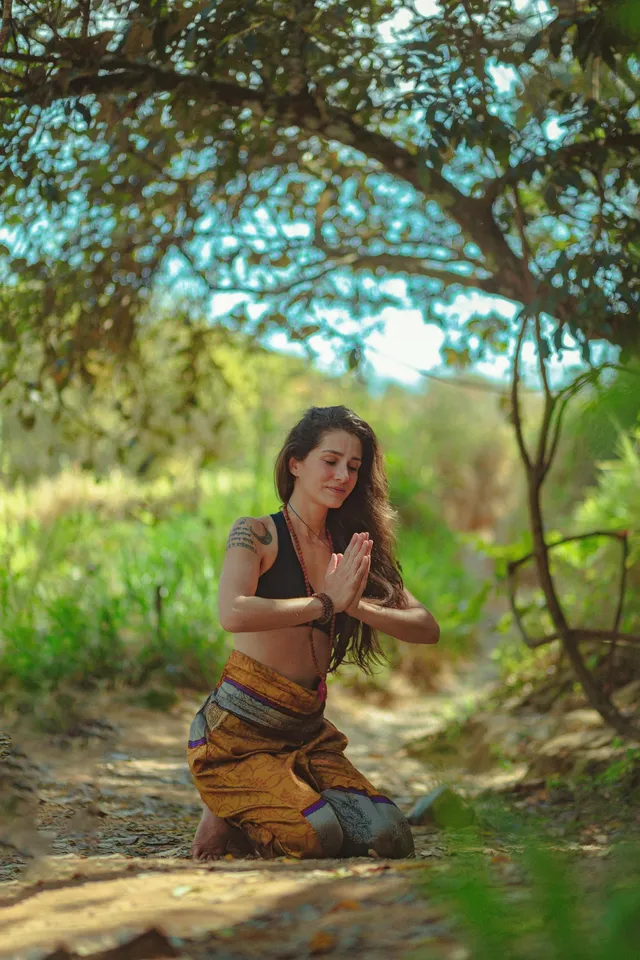
In a world fixated on fitness trends, gym memberships, and step counts, the question for followers of Christ is not whether exercise is good, but how it fits into a life devoted to God. For many believers, physical activity might seem peripheral to spiritual life-after all, salvation doesn't hinge on how many miles we run or how often we stretch. Yet Scripture and experience remind us that our bodies matter profoundly to God. To cultivate a Christian lifestyle that honors Him in body, mind, and spirit, we must explore how exercise can become not an idol, but an act of worship.
Our Bodies as Instruments of Worship
Paul writes clearly in Romans 12:1: "Therefore, I urge you, brothers and sisters, in view of God's mercy, to offer your bodies as a living sacrifice, holy and pleasing to God-this is your true and proper worship." These words strike at the core of what it means to follow Christ physically. Our bodies are not vessels to neglect or worship, but instruments through which we serve and glorify our Creator. They are sacred gifts, entrusted to us with purpose.
Exercise, in this light, becomes an act of stewardship. When we strengthen our hearts, stretch our muscles, and nurture our health, we maintain the vitality needed to love others well-to serve meals, carry burdens, play with our children, show up for our communities. Fitness is not vanity when it is grounded in gratitude. It's a way of saying, "Lord, I value the life You've given me."
The Balance Between Discipline and Devotion
Discipline has long been a hallmark of spiritual maturity. Christians practice discipline through prayer, fasting, study, and service-and the discipline of caring for the body naturally fits among these pursuits. Exercise trains not only the body but the mind and will. It teaches patience, persistence, and humility. It reminds us that transformation usually comes slowly and requires faithfulness over time.
However, balance is key. The apostle Paul acknowledges this tension in 1 Timothy 4:8: "For physical training is of some value, but godliness has value for all things." Exercise is valuable, but only when held in right proportion. Too often, our culture flips priorities, making fitness a gospel of its own. Social media brims with self-glorifying imagery; health becomes a performance rather than an offering. When appearance or achievement takes center stage, we drift from the heartbeat of the Christian walk-humility and surrender.
When Exercise Becomes Worship
How can exercise reflect worship rather than self-centeredness? The shift happens in intention. A jog through the park can become prayer time. A weightlifting session can be interwoven with gratitude-thank You, Lord, for the strength You've given me today. A long hike might become an unspoken Psalms, the rhythm of each step echoing praise for creation's beauty. Exercise can be prayer set in motion.
By aligning discipline with devotion, believers transform mundane routines into holy rhythms, recognizing God's presence even in sweat and breath.
Jesus and the Embodied Life
Perhaps the best way to appreciate the physical dimension of faith is to look at the incarnation itself. God didn't redeem humanity from a distance; He entered flesh and bone. Jesus walked miles of rugged terrain, worked with His hands as a carpenter, climbed mountains to pray. His ministry was profoundly physical-touching lepers, washing feet, breaking bread. In living fully human, Christ redeemed not just souls but the entire human experience, body included.
To follow Jesus is to honor the gift of embodiment. Our Creator formed Adam from the dust and breathed life into him. That divine breath still flows through us, and caring for our health honors the One who provided it. In exercising, we imitate the active, engaged, incarnate life of our Savior.
Exercise as a Way to Love Others
When we keep our bodies strong and healthy, we do more than serve ourselves-we serve the people God has placed in our lives. Parents who maintain their energy can engage more deeply with their children. Pastors and ministry leaders with physical stamina can shepherd their flocks with vigor. The elderly believer who takes daily walks might find both communion with God and connection with neighbors along the path. Our fitness becomes an expression of love.
Paul exhorts believers in Philippians 2:4: "Let each of you look not only to his own interests, but also to the interests of others." Caring for our physical health is one way we equip ourselves to do exactly that. A healthy body can engage longer in the mission of God and stand stronger in service when needs arise.
Finding Rest Within Movement
In an ironic twist, the Christian life calls us both to diligence and rest. These ideas meet beautifully in exercise. Rhythmic movement can become a type of Sabbath for the mind-a space where we lay aside screens, worries, and noise. As the body moves, the soul may finally quiet down enough to hear the whisper of God.
Exercise as Prayerful Solitude
Some believers find that running, swimming, or stretching in silence creates sacred solitude, opening mental and spiritual space for reflection. King David, often described as a man after God's own heart, understood this dynamic deeply-many of his Psalms were written outdoors, amid motion and nature. We too can reclaim that sense of connection when we treat exercise not as escape, but as encounter. Stillness of spirit can coexist with motion of body.
Guarding Against Legalism and Vanity
As with any spiritual discipline, the danger of self-righteousness looms. Some Christians might fall into guilt because they can't maintain a strict fitness routine, while others risk pride from achieving one. But grace, not performance, defines the Christian journey. God isn't impressed with our mile times or bench press; He delights in our obedience, humility, and love.
We are called to freedom, not obsession. Exercise becomes life-giving when it flows from joy and gratitude, not shame or fear. For those whose health limits what they can do, stewardship may look like gentle stretching, mindful walking, or simply nourishing the body with good food and rest. The measure is not comparison-it is faithfulness with what we've been given.
Community, Accountability, and Joy
Exercise doesn't have to be solitary. The early church thrived on community, sharing meals, work, and encouragement. In the same spirit, Christian fellowship can blossom in shared physical activities-walking groups, church softball leagues, morning hikes followed by prayer. When believers move together, they not only strengthen bodies but deepen connection.
Accountability in this area can gently steer us toward consistency without legalism. It's easier to wake up early for a walk if you know a brother or sister in Christ is waiting. It's easier to persevere when someone cheers on your effort rather than your appearance. Joy grows when physical discipline becomes shared worship rather than isolated striving.
Exercise as a Metaphor for Faith
Throughout Scripture, physical exertion often mirrors spiritual endurance. Paul frequently compares the Christian life to running a race or contending in athletics (1 Corinthians 9:24-27). These metaphors point to perseverance, vision, and focus. Just as the athlete disciplines the body, the believer disciplines the soul, keeping eyes on the eternal prize.
Exercise reminds us that growth rarely happens overnight. Muscles strengthen through repetition, just as faith matures through daily obedience. Spiritual stamina is built in the same quiet, unseen faithfulness that shapes physical fitness. Both require grace. Both demand perseverance. And both, in the end, lead to freedom.
Living Wholeheartedly: Body, Mind, and Spirit
When Christ summed up the greatest commandment-to love God with all your heart, soul, mind, and strength-He included the physical on purpose. Our strength, our energy, our very breath can declare love for the Father. Integrating exercise into a Christian lifestyle is not about conforming to worldly ideals but aligning our whole selves with God's intention for abundant life.
Physical health cannot replace spiritual vitality, but it can amplify it. When we feel well, we are more alert to Scripture, more patient with others, more creative in serving, more joyful in worship. The wholeness God desires for His people embraces every layer of our being. Redemption touches body as well as spirit.
Moving Toward God in Every Step
To live as a follower of Christ is to understand that all of life-every meal, every breath, every step-can be an offering. Exercise, when guided by humility and gratitude, becomes a means of returning glory to God through the very body He formed. It's not about chasing perfection but pursuing presence: meeting the Creator in motion, feeling His grace in every heartbeat.
Whether you jog before sunrise, lift weights after work, or simply stretch as you pray, let each act become a whispered Psalms of thanksgiving. May your physical rhythms echo your spiritual ones: disciplined yet joyful, focused yet free, strong yet surrendered. For in caring for the body, we honor the One who fearfully and wonderfully made it-and we prepare ourselves to serve Him with renewed vigor, from this life to the next.