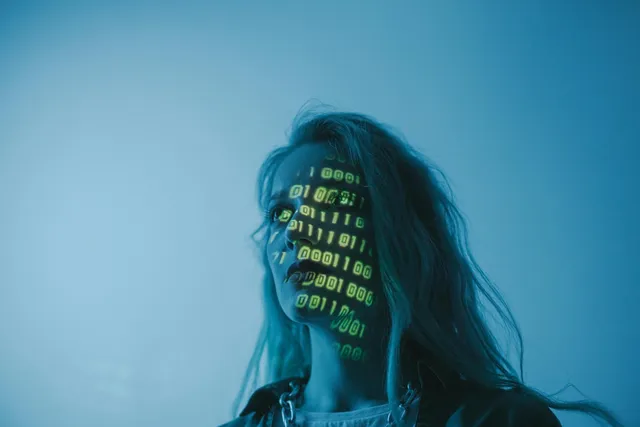
When we hear the phrases "artificial intelligence" and "faith" in the same sentence, many of us feel an uneasy tension. AI sounds cold, data-driven, and mechanistic-far removed from the warm, relational nature of the gospel of Christ. Yet, as the digital age unfolds, it's clear that artificial intelligence isn't going away. From Bible study apps that use AI to suggest commentary, to digital sermons generated by neural networks, the technology that once seemed science fiction is now embedded in the church's present reality.
The pressing question is this: Is artificial intelligence a threat to Christian faith, or a tool in God's hands? The truth may not fit neatly into one category. Like many tools humanity has ever created, AI's potential depends on who wields it-and for what purpose.
The Tools of Creation and the Imitation of the Creator
From the very beginning, humanity has been given the divine calling to create. Genesis tells us that God formed man in His image, giving us a creative impulse-a reflection of His own nature as Maker. The blacksmith's forge, the farmer's plow, the printer's press, the computer chip-all are extensions of this creative mandate. Artificial intelligence, in some ways, is the latest chapter in that story.
Yet, as with every innovation, there's a tension. AI imitates intelligence but does not possess spirit. It computes patterns but cannot discern truth. It recognizes words but cannot know the Word. While AI can mimic aspects of human creativity, its creations lack the breath of God that gave life to Adam. This distinction matters, because our capacity to discern what is truly human-and truly divine-will define how we use technology in a holy way.
When Knowledge Outpaces Wisdom
Scripture reminds us that "knowledge puffs up, but love builds up" (1 Corinthians 8:1). Our generation has abundant knowledge-algorithms capable of scanning the entire Bible in milliseconds, predicting behavior, or composing sermons. But wisdom-biblical, grounded, human wisdom-cannot be automated.
AI's greatest temptation for believers may not be what it produces, but what it replaces. If it replaces prayerful searching of Scripture with instant answers, or relational discipleship with automated advice, something eternal is lost. Wisdom requires slowness, humility, and dependence on God's Spirit-the very things a predictive machine cannot simulate. Christians must resist the allure of convenience when it begins to erode the disciplines that form our souls.
AI in the Church: Servant or Substitute?
Many ministries already employ AI tools in remarkable ways. Bible translation projects use machine learning to speed the spread of God's Word to previously unreachable languages. Churches use AI analytics to better understand and serve their communities. Writers and pastors use it to refine communication, design outreach materials, and even generate creative ideas. In these cases, AI functions as a servant-a means that helps people serve Christ more effectively.
When the servant becomes the substitute
The danger comes when the servant attempts to become the master. If artificial intelligence begins preaching messages, crafting theological applications, or counseling the broken-hearted apart from human empathy, we enter perilous ground. A machine may know the words of Psalms 23, but it cannot comfort a grieving widow with them. It cannot sit beside a dying man and whisper, "You are not alone." This work requires the human touch of Christ's body-the church.
In this sense, AI is only a threat when believers forget their unique, irreplaceable role as carriers of God's presence.
Discerning the Spirit in the Digital Age
The Apostle John warns us, "Do not believe every spirit, but test the spirits to see whether they are from God" (1 John 4:1). This exhortation holds fresh power in an age when "spirits" may now include digital voices and algorithmic personalities. Testing technologies against Scripture becomes a vital act of spiritual discernment.
Every Christian interaction with AI should begin with three questions:
- Does this technology draw me closer to Christ, or merely offer convenience?
- Does it enhance my love for people, or distance me from them?
- Does it honor truth, or distort it for gain?
These simple guideposts can help believers navigate the digital world without losing their spiritual compass.
The Fear of the Unknown-and the Call to Faith
Fear of technology is as old as technology itself. The printing press was once viewed as a threat to the church. Later, radio and television raised alarms about moral decay. Each age faces its own "Goliath," and yet, like David, believers can face it with faith, not fear. What mattered for David was not the size of his opponent but the size of his trust in God.
AI will shape the future, but it need not define our faith. The church has always adapted to new tools, transforming them into instruments for mission. What seems intimidating can become an opportunity to display the creativity and wisdom of the Holy Spirit. Instead of asking, "Will AI take our place?" perhaps the better question is, "How can we take our place faithfully in an AI-shaped world?"
AI and the Image of God
What makes us human?
Artificial intelligence forces the world to reckon with the meaning of the imago Dei-the image of God in humanity. In a world obsessed with intelligence, efficiency, and data, Christians must remember that our worth is not measured by mental capacity, but by God's creative imprint on our souls. The soul cannot be coded. Love cannot be algorithmically generated. Compassion cannot be trained by data sets. These belong to the domain of the Spirit.
As believers, we affirm that intelligence-no matter how "artificial"-can never replace the divine spark that animates a follower of Christ. This understanding frees us to use AI without fear of losing our humanity, because what makes us human is God Himself dwelling within us.
The Opportunity for Redemptive Technology
What if, rather than resisting AI entirely, Christians leaned into the opportunity to redeem it? Technology has always been a neutral canvas on which the moral choices of humanity paint meaning. When Scripture reminds us that "whatever you do, do it all for the glory of God" (1 Corinthians 10:31), it invites us to see every realm-including digital innovation-as ground for worshipful work.
Imagine AI being trained not to mimic worldly values but to amplify godly compassion: tools that help missionaries communicate across cultures, systems that detect injustice or serve the poor more efficiently, and platforms that make Scripture accessible in new languages and contexts. Redemption, not rejection, might be the holiest posture toward new invention.
Guarding the Heart Amid the Noise
Yet for all its potential, AI brings a quiet spiritual danger: distraction. The constant availability of intelligent assistance can create a subtle dependency that crowds out the stillness where God often speaks. As Proverbs 4:23 says, "Above all else, guard your heart, for everything you do flows from it."
In a world of instant answers, guarding the heart means choosing slowness and reflection. It means logging off before prayer becomes replaced by productivity, or devotion yields to digital noise. AI might offer insight, but Christianity centers on intimacy-the abiding relationship between Creator and creation. That cannot be automated.
Faith, Creativity, and the Future
Christians of the future will face new versions of today's questions. Machines will grow smarter, personalization deeper, and perhaps one day, AI will speak in ways uncanny to our ears. But as long as Christ reigns, the calling of His people will remain unchanged: to be salt and light, stewards of creation, and witnesses of a love that no machine can replicate.
AI may write words, but only people can bear witness. It can translate the Bible, but only believers can embody its truth. It can organize a worship service, but only the gathered saints can become the living temple of God.
Living Wisely, Loving Deeply
The question, then, is not whether AI is a threat or a tool. It is whether we will allow ourselves to be shaped by the Spirit more than by our screens. God calls His people to wisdom in every age. We can trust Him to lead us through this technological wilderness as surely as He led Israel through the desert-with light by night and the presence of His glory by day.
Artificial intelligence will not define the church; the living Christ will. Our challenge is to use what is new without losing what is eternal-to let technology serve humanity without ever allowing it to supplant the divine image within us. When we approach AI as humble stewards rather than fearful skeptics, it becomes another arena to magnify the Creator's wisdom and grace.
So let us move forward with discernment and courage, living as people of deeper love amid greater knowledge. For whether in our hands or in our code, the most powerful intelligence the world will ever see is not artificial at all-it is the mind of Christ alive in His people (Philippians 2:5).